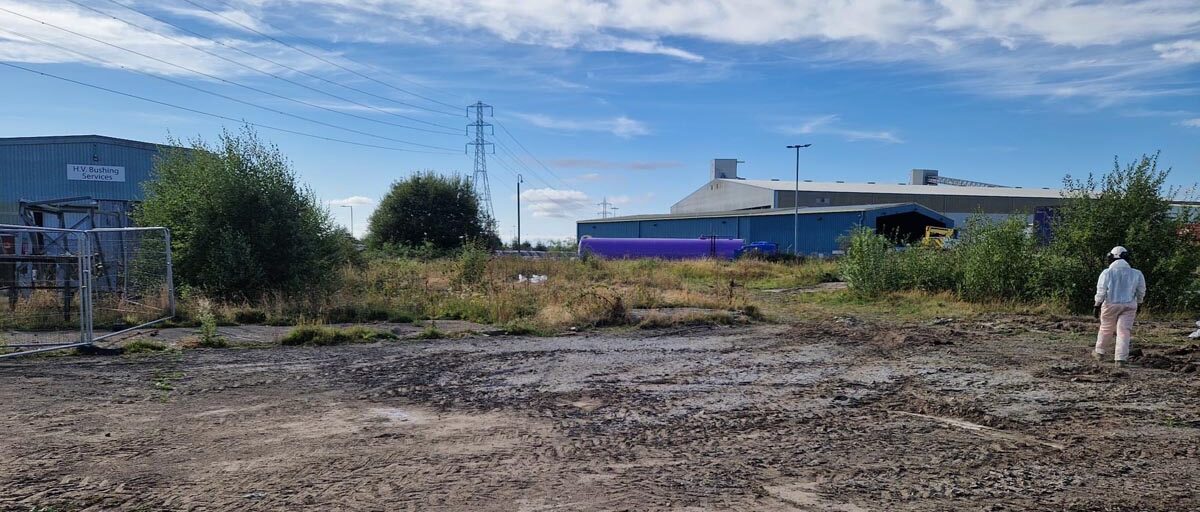
A Phase 2 Site Investigation provides the intrusive evidence required to confirm or refine the Preliminary Conceptual Risk Assessment (PCRA) developed during the Phase 1 Desk Study. It determines the presence, extent and behaviour of contamination in soils, made ground, groundwater and ground‑gas, and generates the data needed for quantitative risk assessment, remediation strategy development and planning approval.
Our investigations follow the Land Contamination Risk Management (LCRM) framework and are directly linked to the plausible pollutant linkages (PPLs) identified in the Phase 1. Each investigation is scoped to gather the specific lines of evidence needed to update the Conceptual Site Model (CSM) and support clear, defensible decision‑making.
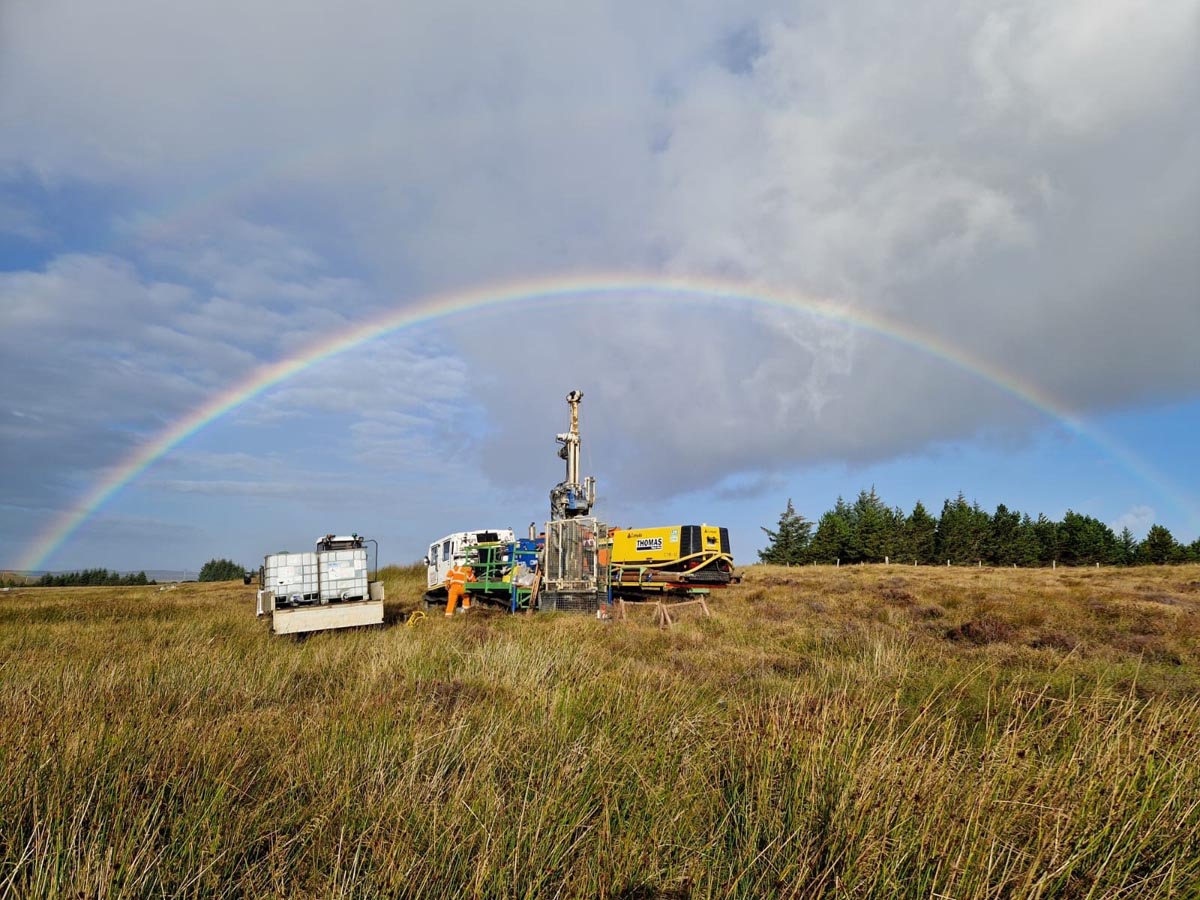
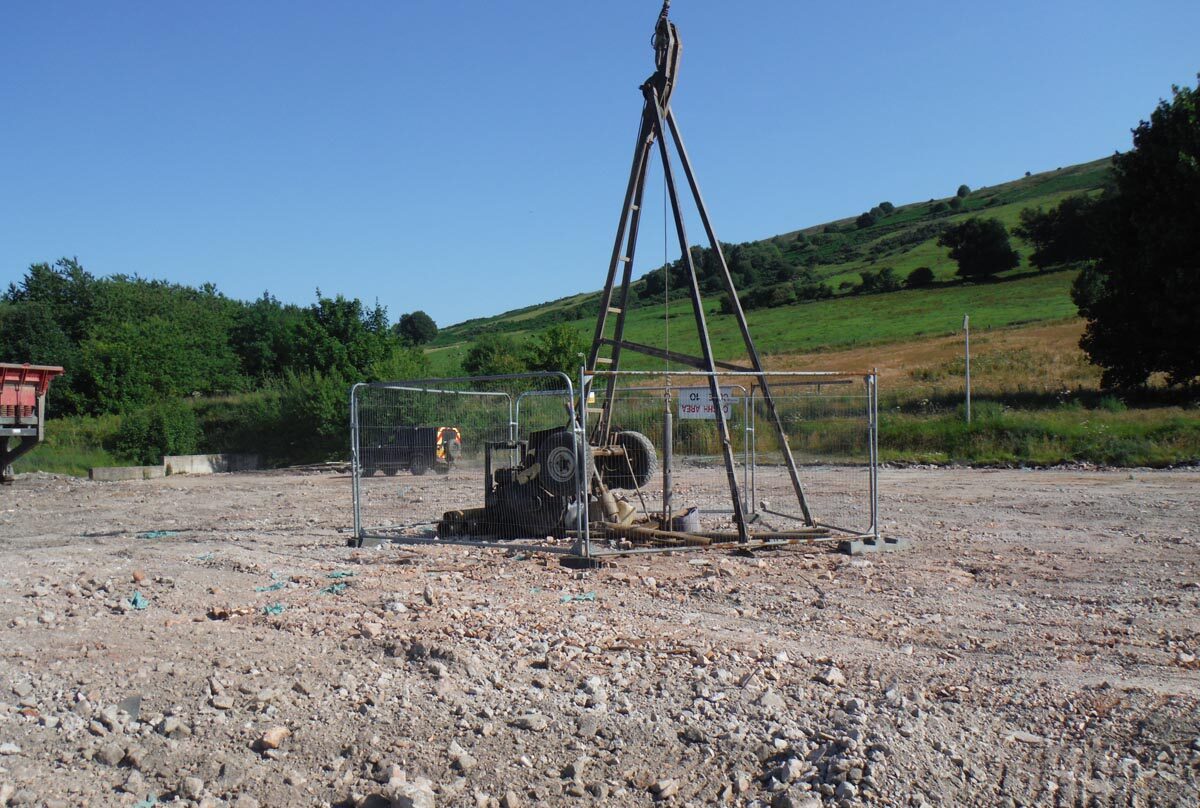
Intrusive investigation – Boreholes, trial pits, window sampling and dynamic sampling targeted at identified PPLs.
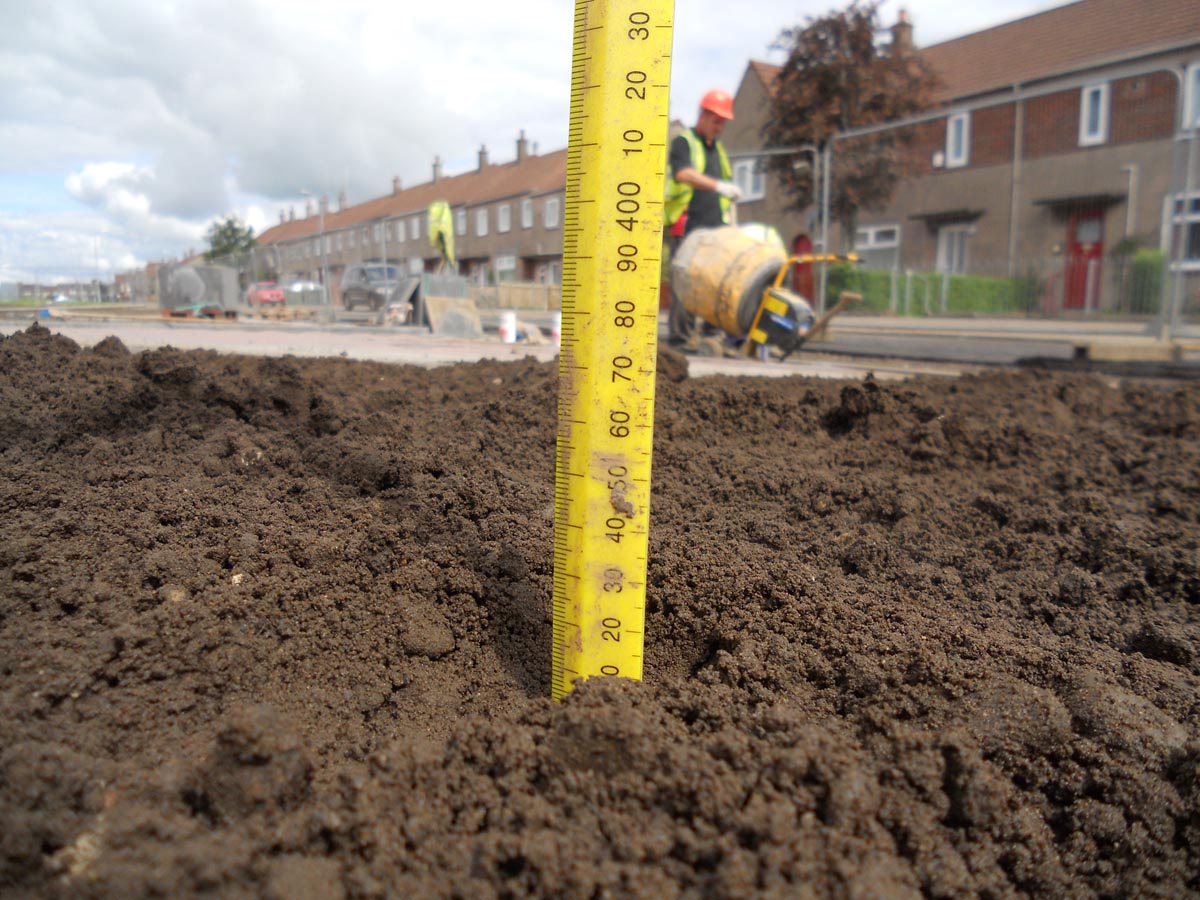
Soil and made‑ground sampling – Representative sampling for laboratory analysis of metals, hydrocarbons, VOCs, SVOCs, asbestos and other contaminants of concern.
Groundwater and surface‑water monitoring – Installation of monitoring wells, purging, sampling and repeated monitoring rounds to understand contaminant mobility and behaviour.
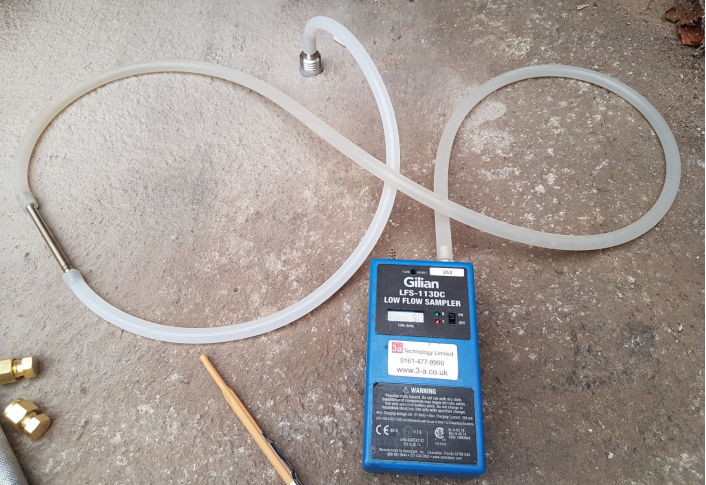
Ground‑gas and vapour monitoring – Short‑term and long‑term monitoring for methane, carbon dioxide, VOCs and hazardous vapours.
Geotechnical data collection (where relevant) – In‑situ testing and sampling to support foundation design, earthworks and ground‑risk assessments, integrating contaminated‑land and geotechnical data.
Laboratory analysis – UKAS‑accredited chemical, physical and geotechnical testing.
Generic Quantitative Risk Assessment (GQRA) – Where contaminants of concern are identified, we undertake GQRA to quantify risks to human health, controlled waters and ground‑gas receptors. This assessment refines the CSM and determines whether further detailed assessment (DQRA) is required.
Updated Conceptual Site Model (CSM) – Refinement of source–pathway–receptor relationships based on intrusive evidence.
When a Phase 2 Is Required
A Phase 2 investigation is typically needed when:
The Phase 1 identifies plausible pollutant linkages
Arthian’s Phase 2 investigations are designed to be:
Evidence‑led – Every investigation is scoped to address specific PPLs identified in the Phase 1 PCRA.
Proportionate – We avoid unnecessary investigation and focus on the data required to support planning, remediation and commercial decision‑making.
Planning‑ready – Reports are structured to meet local authority requirements and discharge contaminated‑land conditions.
Commercially aligned – Clear implications for cost, programme, viability and remediation strategy.
Integrated – Geotechnical and contaminated‑land data are combined where beneficial, supporting foundation design, earthworks and ground‑risk assessments.
What Happens Next
Once intrusive investigation is complete, we update the CSM and determine whether risks are:
Acceptable (no remediation required)
Manageable (remediation or mitigation required)
Unacceptable (further investigation or design needed)
Where remediation is required, we prepare a regulator‑aligned remediation strategy:
Phase 2 investigations are commonly commissioned by developers, contractors, planning consultants, architects, commercial property owners, legal teams and regeneration organisations. These projects rely on clear, defensible evidence to support planning approval, commercial certainty and long‑term environmental compliance.
Our Phase 2 investigations follow the current LCRM framework, which superseded CLR11. Many planning authorities still reference CLR11 in legacy conditions, and our reporting remains fully compliant with regulator expectations where this terminology appears. All intrusive works are directly tied to the PCRA, ensuring investigations are proportionate, targeted and defensible.