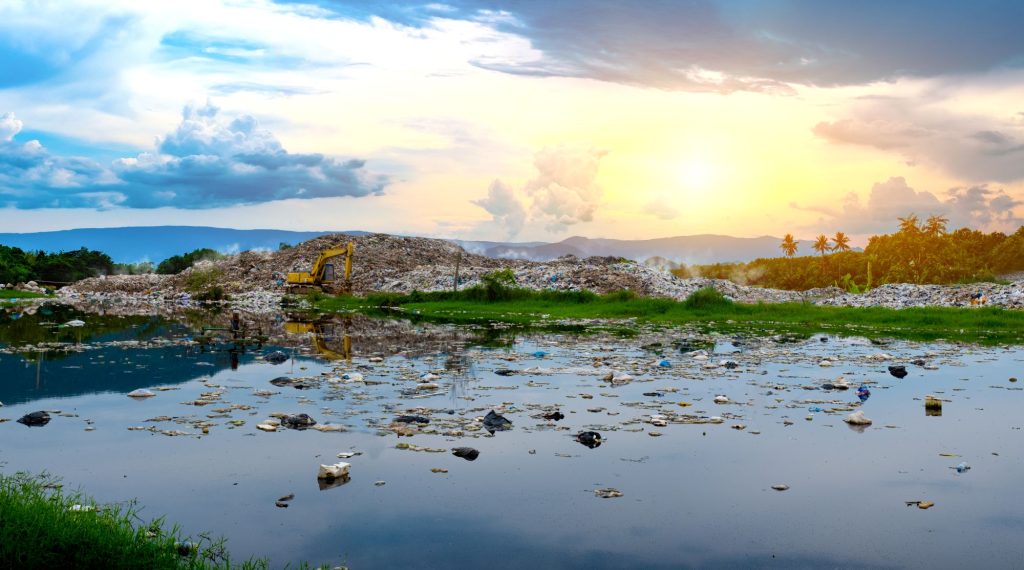
Geotechnical Engineering
Building Solid Ground for Every Stage of Your Project
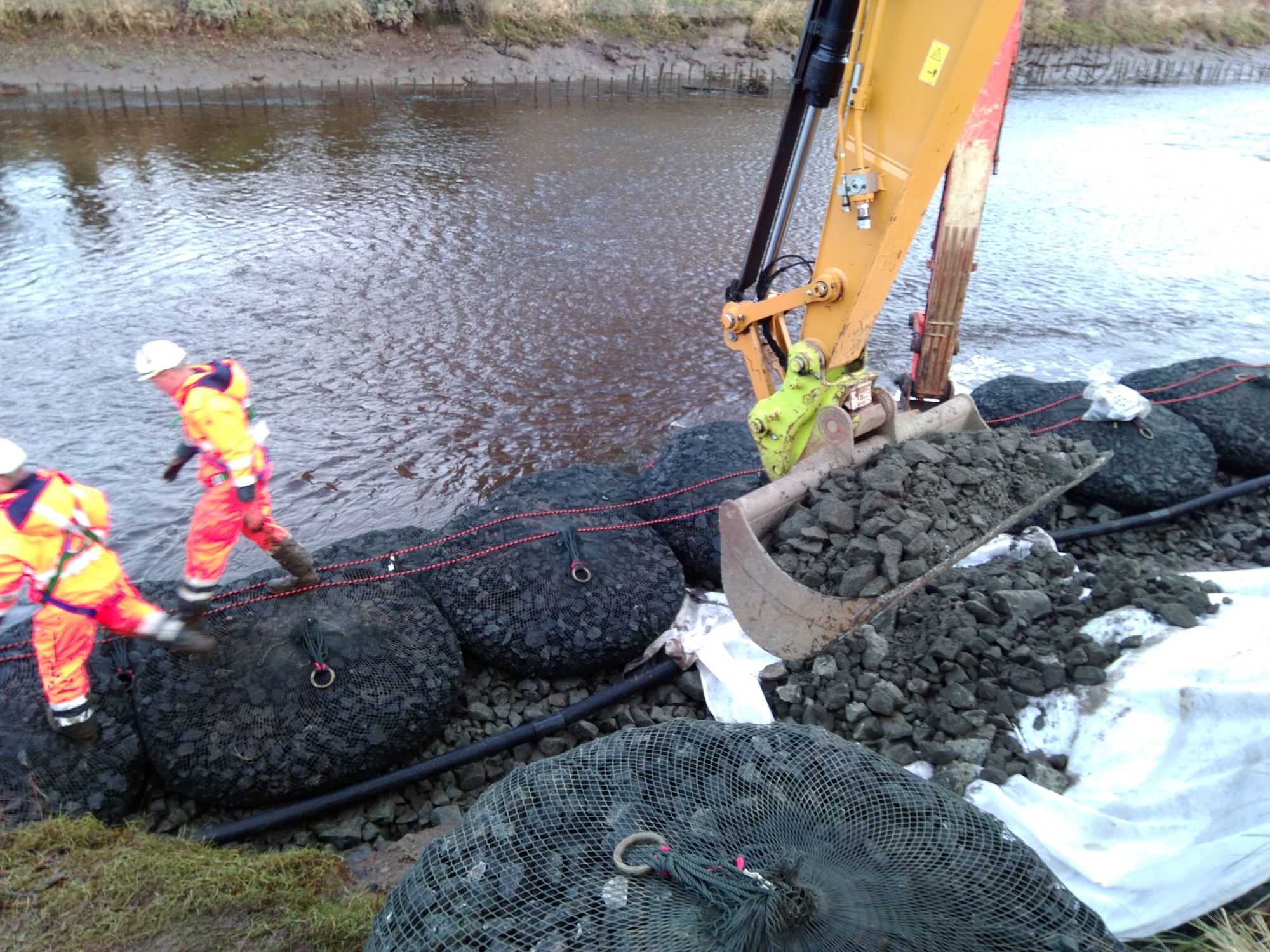
Building certainty from the ground up
Geotechnical engineering is the foundation of every successful development. At Arthian, we provide the technical insight, risk management, and design assurance needed to deliver safe, efficient and cost‑effective projects across the built environment. Our engineers support clients from feasibility through construction, ensuring that ground conditions are fully understood and that every design decision is backed by robust geotechnical evidence.
Our approach combines rigorous investigation, Eurocode‑compliant reporting, and practical engineering judgement. Whether you are planning a new structure, upgrading existing infrastructure, or managing complex ground risks, we help you build on solid ground with confidence.
Comprehensive Geotechnical Investigation & Reporting
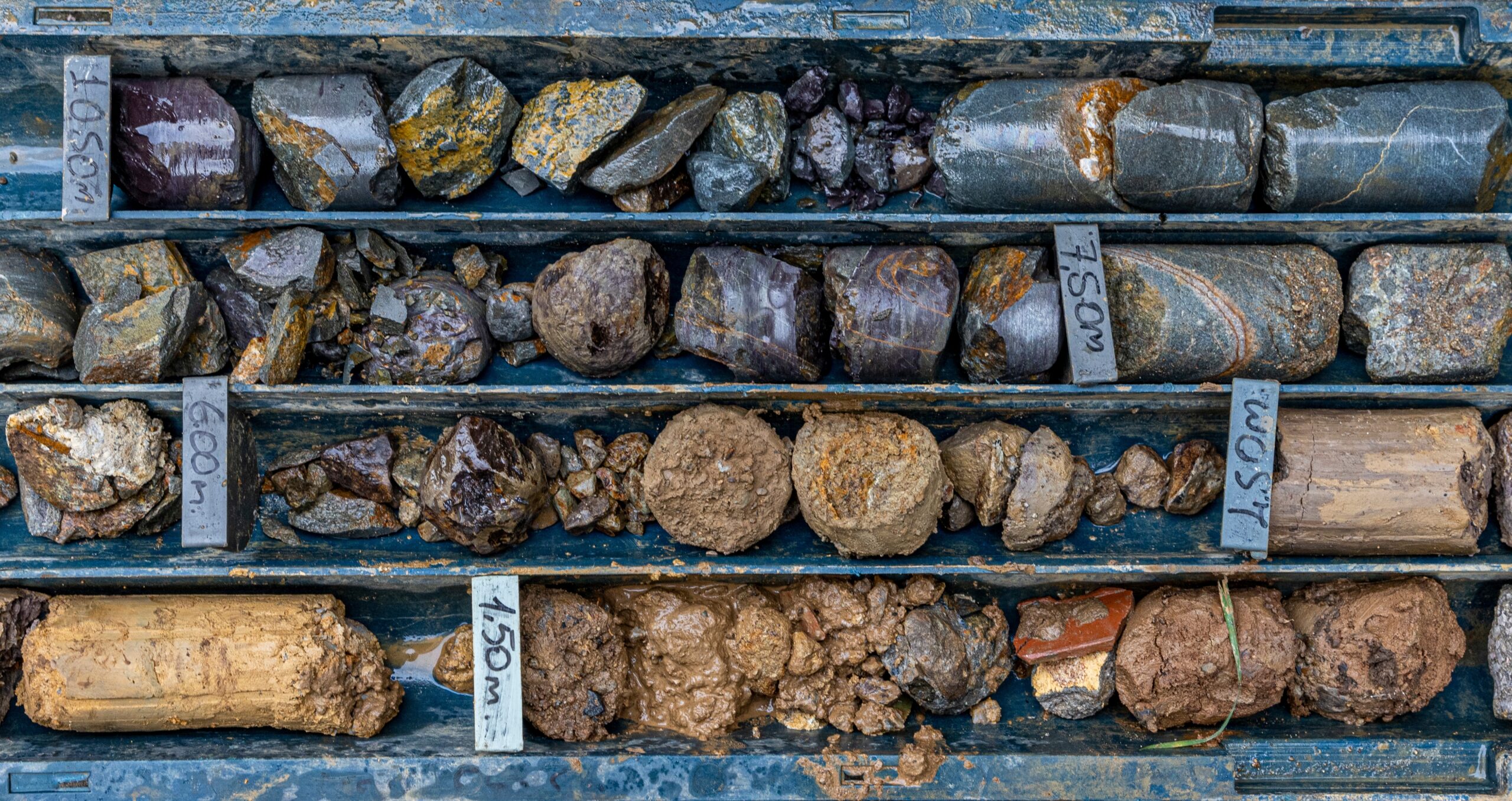
A high‑quality ground investigation is the cornerstone of reliable design. Arthian delivers end‑to‑end geotechnical investigation services, including:
- Desk studies and geological assessments — reviewing historical data, mapping, mining records and environmental constraints.
- GI design and procurement — specifying investigation scope, borehole locations, in‑situ testing and laboratory schedules.
- Site supervision — ensuring investigations are carried out safely and to specification.
- Laboratory testing specifications — defining appropriate tests for soil, rock and groundwater characterisation.
- Factual and interpretative reporting — presenting clear, actionable findings for designers and project teams.
We prepare Eurocode 7‑compliant GIRs (Geotechnical Investigation Reports) and GDRs (Geotechnical Design Reports), ensuring your project meets regulatory expectations and industry best practice. Our reports provide the clarity needed to make informed decisions on foundations, earthworks, and construction methodologies.
Temporary Works & Construction Support
Ground conditions can change rapidly during construction, and our engineers provide responsive, site‑specific support to keep works progressing safely. Services include:
- Crane pad assessments — evaluating ground bearing capacity, outrigger loads and spreader mat requirements.
- Temporary works design — including open‑cut excavations, shored systems, sheet pile walls, geogrid‑reinforced haul roads and working platforms.
- Piling platform design and verification — ensuring safe plant operation and compliant working surfaces for piling rigs.
- Pipe crossing assessments — evaluating ground conditions, load effects and protection measures for safe service crossings.
- Buried service protection measures — designing mitigation such as load‑spreading, shielding and exclusion zones to prevent damage during construction.
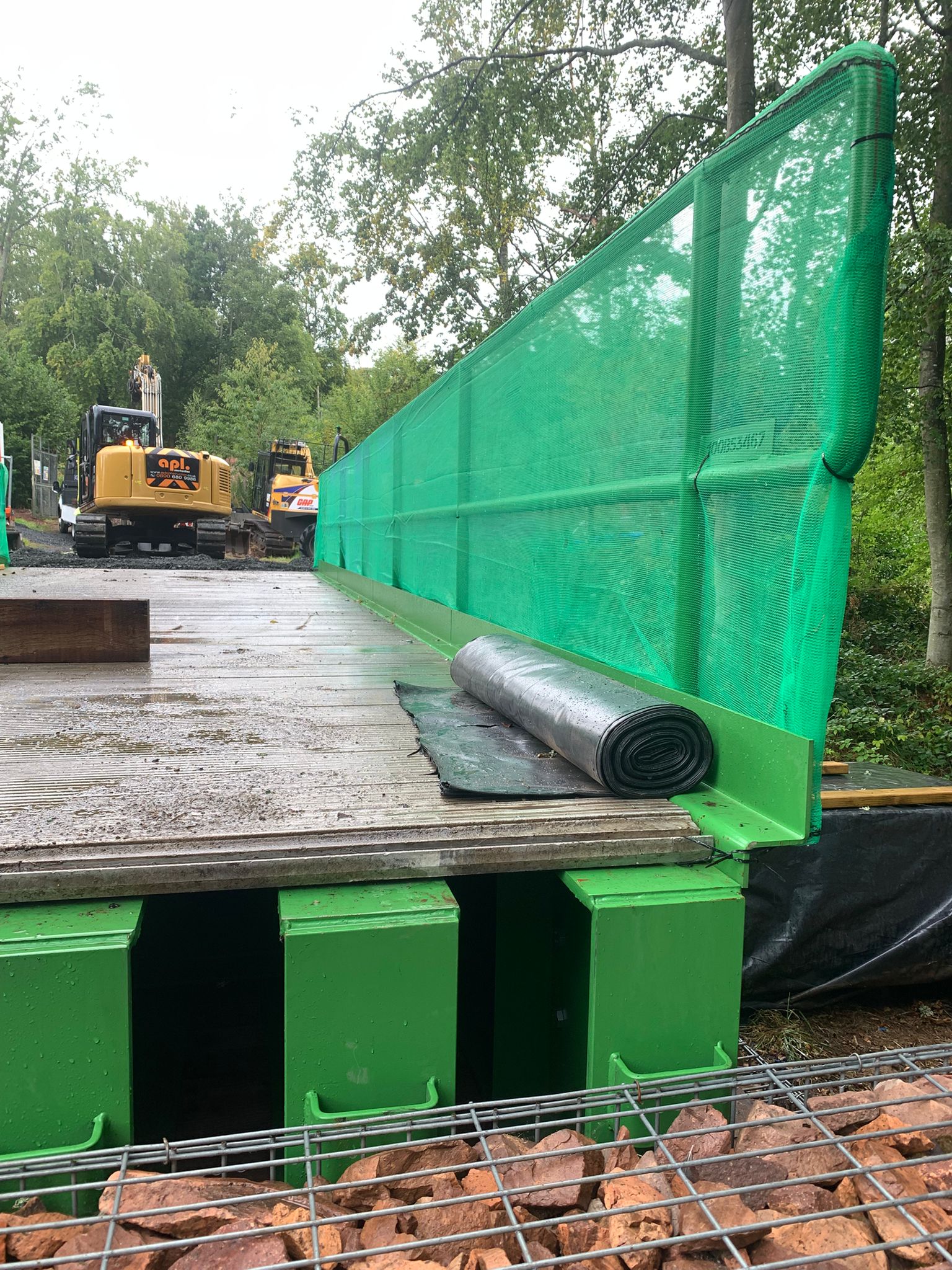
- Temporary bridge design and checks — assessing bearing capacity, stability and load paths for modular or site‑assembled temporary bridge solutions.
- Category 3 independent checks — verifying designs by others for compliance and safety.
- Formation level inspections — confirming ground suitability before placing foundations or slabs.
- Real‑time geotechnical advice — supporting contractors with rapid decision‑making on unexpected ground conditions.
Our involvement reduces delays, mitigates risk and ensures construction activities remain compliant with design intent.
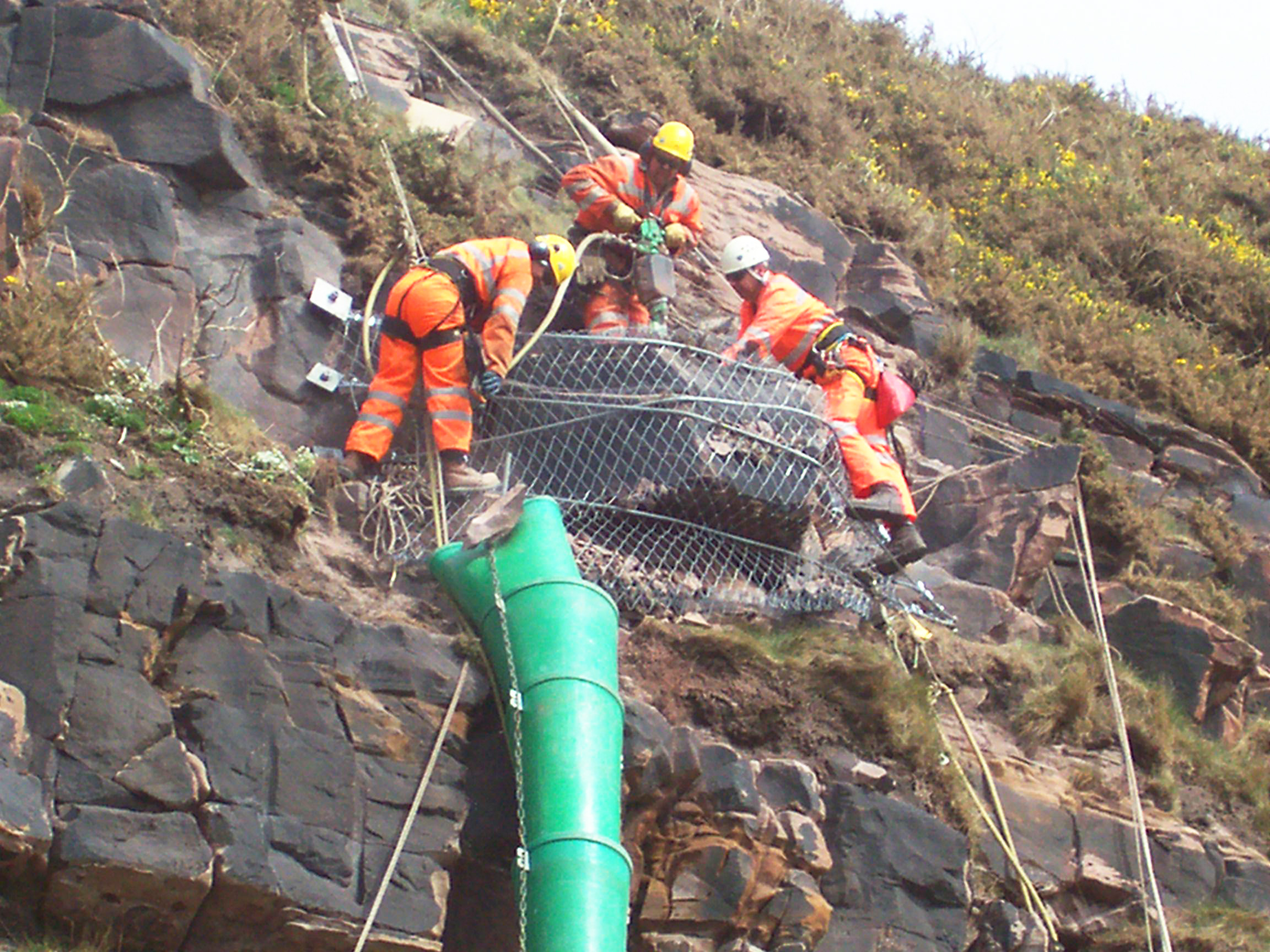
Specialist Geotechnical Services
Arthian provides targeted technical assessments to address complex or high‑risk ground conditions:
- Tank settlement analysis — modelling long‑term settlement behaviour for industrial and storage facilities.
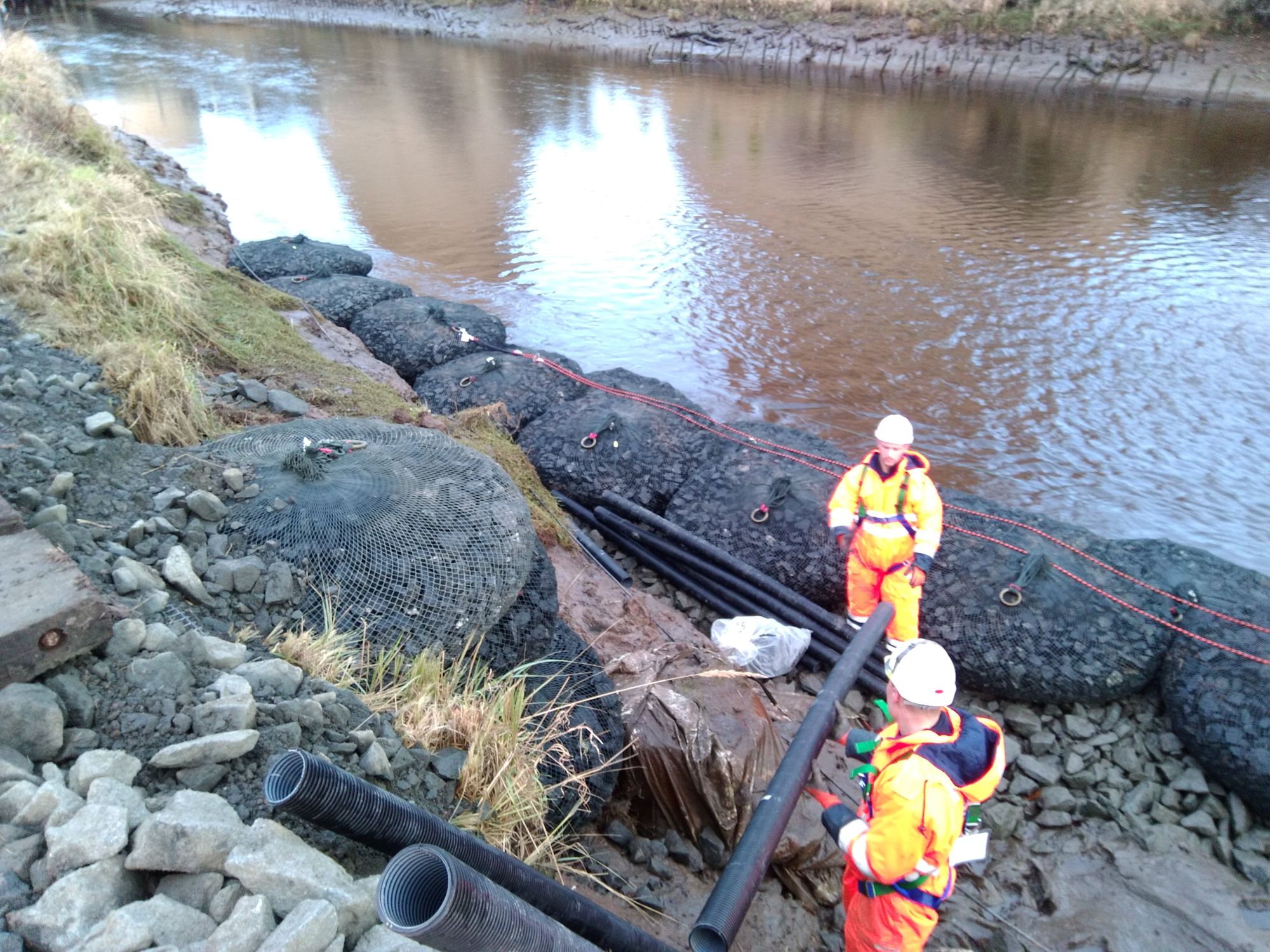
- Riverbank erosion and remediation — assessing erosion mechanisms and designing stabilisation or protection measures.
- Coal Mining Risk Assessments (CMRA) — identifying legacy mining hazards and recommending mitigation aligned with Coal Authority requirements.
- Peat surveys and stability assessments — evaluating compressible or sensitive ground and advising on treatment options.
These services help clients manage uncertainty, reduce cost exposure and maintain regulatory compliance.
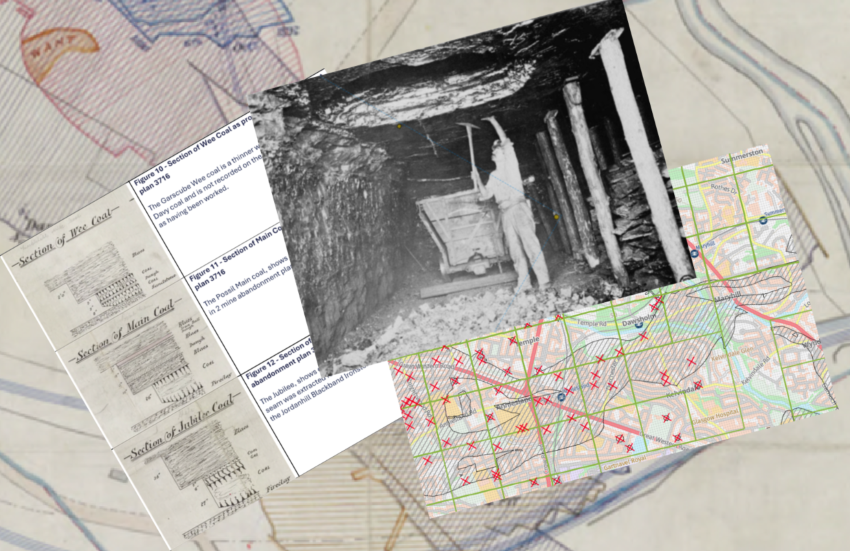
Service Spotlight: Coal Mining Risk Assessments (CMRA)
Legacy coal mining activity presents a significant ground‑risk consideration across many parts of the UK. Arthian undertakes Coal Mining Risk Assessments (CMRA) to identify, quantify and mitigate hazards associated with historic workings, ensuring developments remain safe, compliant and fully aligned with Coal Authority requirements.
Our engineers combine detailed desk‑based research with geological interpretation and, where required, intrusive investigation to establish the presence and condition of mine entries, shallow workings, zones of potential collapse, and areas of anomalous ground behaviour. Each assessment provides:
- Coal Authority data review — analysing abandonment plans, shaft records, subsidence claims and geological mapping.
- Ground‑risk screening and hazard mapping — identifying potential instability zones and development constraints.
- Assessment of collapse mechanisms — evaluating risks from shallow workings, unrecorded features and historical extraction methods.
- Mitigation and design recommendations — specifying investigation, treatment, foundation strategies or monitoring where required.
Our CMRA outputs are clear, planning‑ready and tailored to the scale of your development. By addressing mining legacy risks early, we help clients avoid delays, reduce uncertainty and secure regulatory approval with confidence.
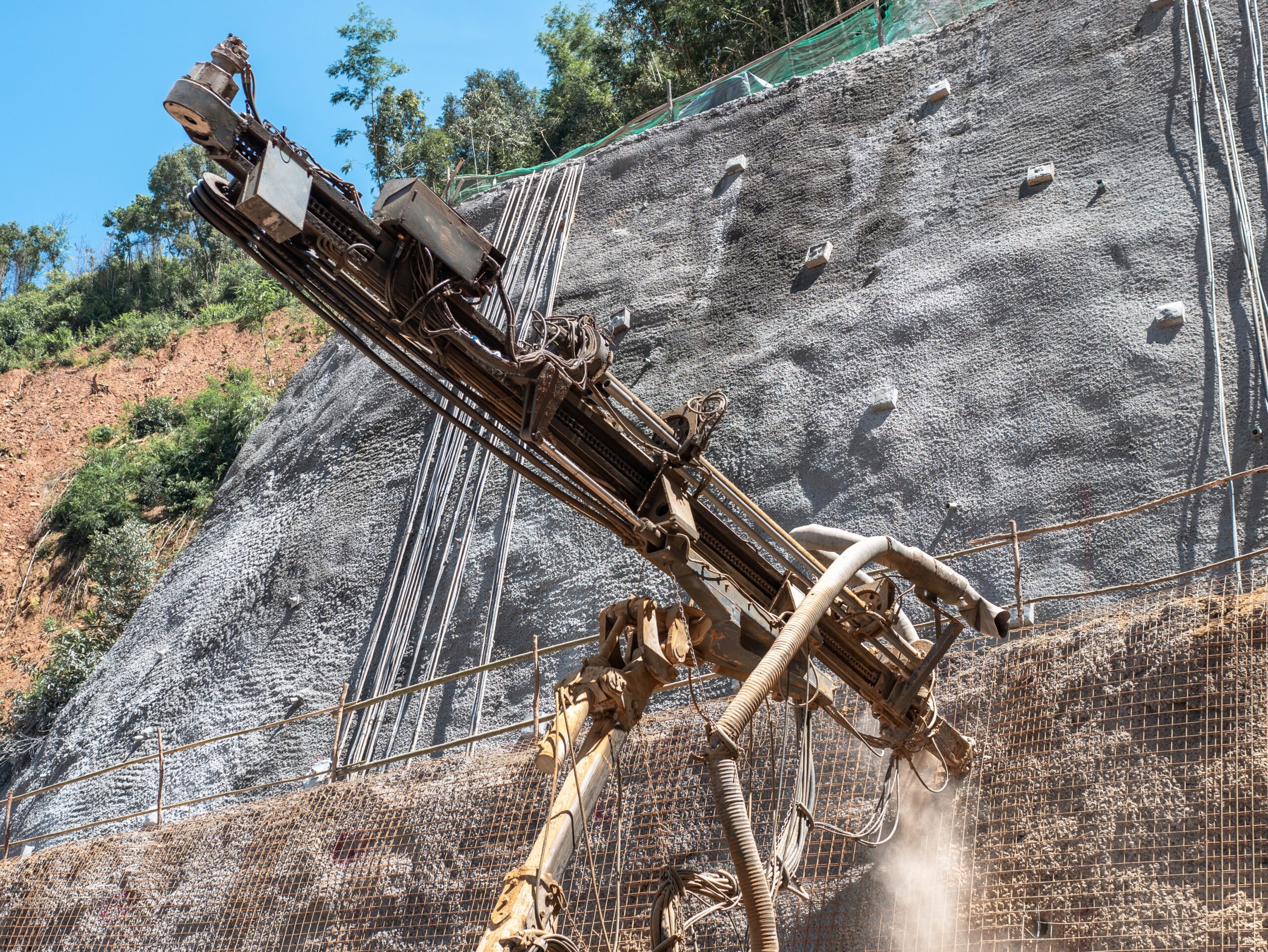
Service Spotlight: Slope Stability Assessment
Slope instability can pose significant safety, design and operational risks for developments involving cuttings, embankments, retaining structures or natural slopes. Arthian provides Slope Stability Assessments that combine rigorous geotechnical analysis with practical engineering judgement to ensure long‑term performance and regulatory compliance.
We assess both natural and engineered slopes using industry‑standard analytical methods, site‑specific ground models and Eurocode‑aligned design principles. Our assessments typically include:
- Geomorphological and geological appraisal — understanding slope history, materials, groundwater and failure mechanisms.
- Ground investigation and parameter selection — defining representative soil and rock properties for modelling.
- Limit‑equilibrium and numerical modelling — evaluating factors of safety under static, seismic, construction and long‑term conditions.
- Drainage, reinforcement and earthworks design — recommending stabilisation measures such as soil nails, geogrids, regrading, retaining structures or surface/groundwater management.
Our approach ensures that slope risks are fully understood and that designs are robust, buildable and cost‑effective. Whether supporting planning submissions, infrastructure upgrades or construction‑phase decision‑making, we provide the clarity needed to maintain safe and stable earthworks throughout the project lifecycle.
Integrated, Multidisciplinary Expertise
Geotechnical engineering rarely exists in isolation. Our team works seamlessly with hydrology, civil engineering, environmental and ecological specialists to deliver coordinated, whole‑project solutions. This integrated approach ensures:
- Clear understanding of planning, environmental and infrastructure interfaces.
- Efficient coordination between disciplines, reducing duplication and delays.
- Early identification of constraints and opportunities.
- Stronger, more resilient design outcomes.
With national experience and regional insight, we understand the regulatory landscape and the ground conditions that shape development across the UK.
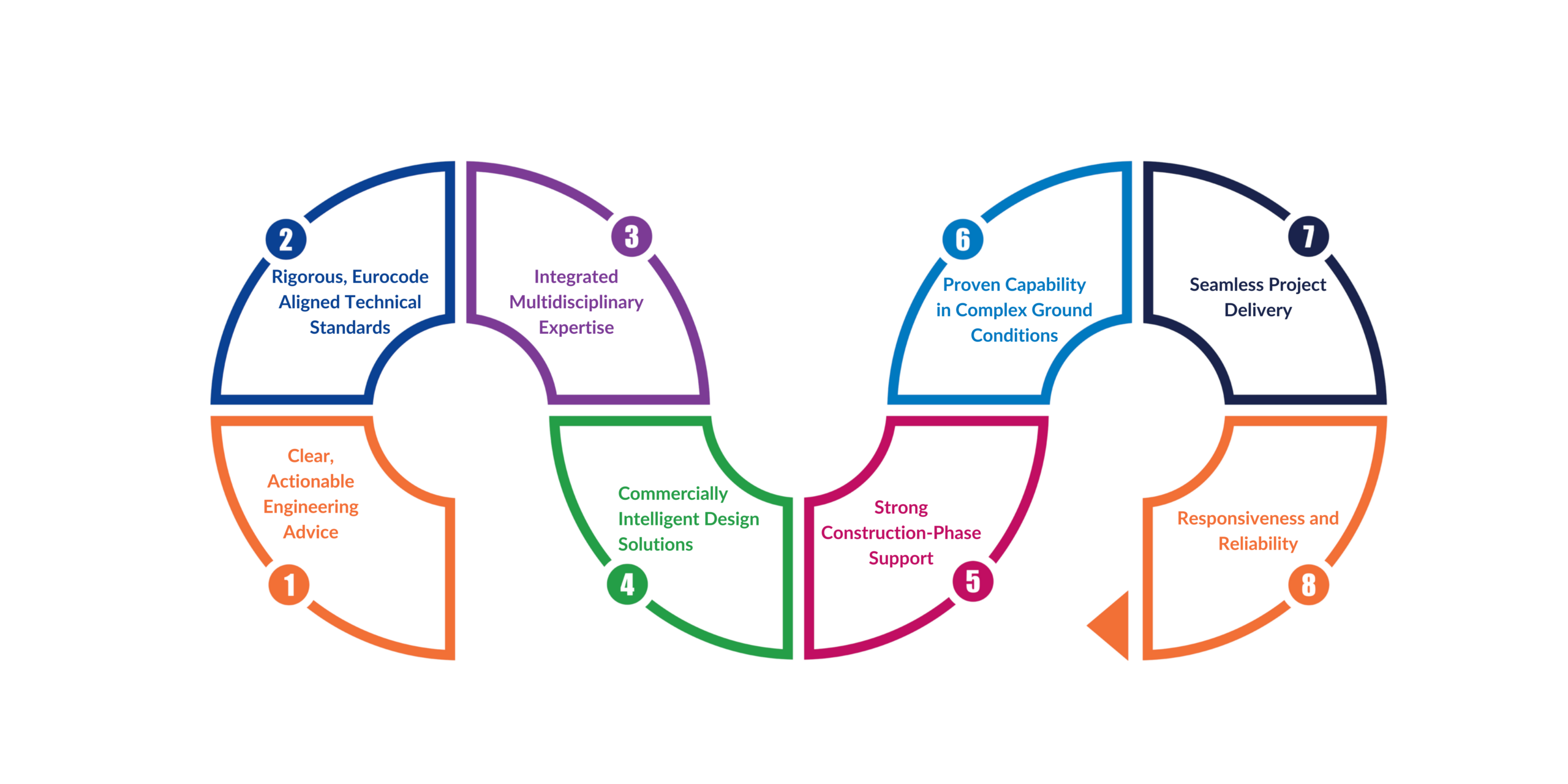

Our Understanding
Deep understanding of planning, infrastructure, and environmental interfaces.

Our Experience
National experience with regional insight and regulatory familiarity.

Integration
Fully integrated with geotechnical, hydrological, and ecological disciplines.

Results Driven
Commitment to technical rigour, clear communication, and long-term outcomes.
Frequently Asked Questions
What is geotechnical engineering and why is it important?
Geotechnical engineering is the study and application of soil and rock mechanics in construction and development. It’s essential for assessing ground conditions, designing safe foundations, and preventing failures such as settlement, landslides, or structural collapse.
When should I involve a geotechnical engineer in my project?
The earlier the better. Involving a geotechnical engineer during the planning or feasibility stage helps identify ground-related risks and cost implications early, allowing for better design decisions and fewer surprises during construction.
What are GIR and GDR reports?
GIR (Geotechnical Investigation Report) and GDR (Geotechnical Design Report) are Eurocode 7-compliant documents. The GIR presents the factual and interpretative results of a site investigation, while the GDR outlines the basis for geotechnical design choices.
Do you offer support during construction?
Yes. Our team provides construction-phase support including formation inspections, temporary works certification, and real-time advice on geotechnical issues that may arise during build-out.
Can you help with historic mining risk assessments?
Absolutely. We regularly undertake Coal Mining Risk Assessments (CMRA) to identify risks from historic workings and provide mitigation advice aligned with Coal Authority requirements
Our Latest Projects
Get in Touch
We’d love to hear from you – whether you have a question, a project in mind, want to explore job opportunities, or just want to say hello.