Send an enquiry

    Privacy Policy

    Services

    From strategy to delivery, our experts support complex challenges across the entire lifecycle of a project.

    • Environment
    • Engineering
    • Planning Consultancy
    • Safety
    • Sustainability Consulting
    • Net Zero and Decarbonisation
    • Energy
    Arboriculture & Forestry Consultancy Services
    Acoustics, Noise & Vibration Consultants
    Air Quality 3
    Air Quality Assessment Services
    Indoor Air Quality Assessments for Developments
    Indoor Air Quality Assessment Services
    View All Air Quality
    Archaeology & Heritage
    Contaminated Land & Brownfield Risk Management 5
    Phase 1 Desk Study
    Phase 2 Site Investigation
    Remediation Strategy & Options Appraisal
    Verification & Validation
    Soil & Groundwater Monitoring
    View All Contaminated Land & Brownfield Risk Management
    Ground Risk & Site Investigation 3
    Geoenvironmental Services
    Geotechnical Engineering & Ground Investigation Services 
    Contaminated Land & Geotechnical Engineering Services
    View All Ground Risk & Site Investigation
    Ecology & Biodiversity
    Environmental Impact Assessment
    Construction Environmental Management 1
    Construction Environmental Management Plans (CEMP)
    View All Construction Environmental Management
    Environmental Permitting
    Flood Risk
    Glint & Glare
    Shadow Flicker Risk Assessment
    Hydrology & Hydrogeology
    Landscape & Visual
    Waste 1
    End of Waste
    View All Waste
    Sustainability & Climate Resilience
    Soils & Peat
    Explore Environment
    Civil Engineering Consultants 8
    Infrastructure Design
    Bund Inspection, Assessment & Design
    Culvert Inspections
    Integrated Nearshore, Landfall & Onshore Cabling Civil Engineering
    Drainage & SuDS
    Construction Support Services
    Flood Risk Engineering
    Surveying
    View All Civil Engineering Consultants
    Structural Engineering 4
    Jetties & Nearshore Engineering
    Building Consultancy
    Asset Management
    Structural Surveys Investigation and Monitoring
    View All Structural Engineering
    Geotechnical Engineering
    Temporary & Enabling Works 1
    Temporary Propping Design Services
    View All Temporary & Enabling Works
    Asset Integrity
    Process Engineering 6
    FEED & Concept Design
    Process Design & Development
    Process Modelling and Simulation
    Process Optimisation & Efficiency Improvement
    Industrial Process Engineering & Process Design Consultants
    Distillery Design
    View All Process Engineering
    Water & Wastewater
    Explore Engineering
    Planning Consultancy 2
    Planning Feasibility Assessments
    Battery Energy Storage System (BESS) Planning
    View All Planning Consultancy
    Planning Monitoring Officer (PMO)
    Transport Planning
    Planning Application Assessments & Reports
    Explore Planning Consultancy
    Process Safety Consultants
    COMAH Compliance Consultants
    DSEAR & ATEX Compliance Services
    HAZOP Consultancy
    Machinery Safety
    Process Safety Training Consultants
    Health & Safety
    Occupational Hygiene Consultants
    Construction Design & Management (CDM)
    Explore Safety
    Environmental, Health & Safety (EHS) Legal Compliance Management
    ISO Management Systems Services 4
    ISO 14001
    ISO 50001
    ISO 45001
    ISO 9001
    View All ISO Management Systems Services
    Environmental, Social, Governance (ESG)
    Sustainability Programme Delivery Support
    Sustainability Skills and Training
    Explore Sustainability Consulting
    Product Carbon Footprint Consultants 2
    Environmental Product Declarations (EPDs)
    Lifecyle Assessment (LCA)
    View All Product Carbon Footprint Consultants
    Buildings & Infrastructure Carbon Footprint & Reduction 3
    Whole Life Carbon Assessment (WLCA)
    BREEAM Infrastructure Assessor and Consultancy
    PAS 2080 – Carbon Management in Infrastructure and Built Environment
    View All Buildings & Infrastructure Carbon Footprint & Reduction
    Carbon Verification & Assurance 1
    Airport Carbon Accreditation (ACA)
    View All Carbon Verification & Assurance
    Industrial & Commercial Energy Solutions
    Public Sector Decarbonisation Solutions
    Net Zero Strategy & Climate Transition Plans 2
    Carbon Reduction Plan
    Science-Based Targets
    View All Net Zero Strategy & Climate Transition Plans
    Net Zero and Decarbonisation Training
    Carbon Footprint & Reporting 2
    Carbon Footprint Calculation
    Streamlined Energy & Carbon Reporting (SECR)
    View All Carbon Footprint & Reporting
    Explore Net Zero and Decarbonisation
    Energy Generation Feasibility Design
    Energy Saving Opportunity Scheme (ESOS) Consultants 3
    Energy Saving Opportunity Scheme (ESOS)
    ESOS Phase 4 Compliance Consultants
    ESOS Action Plans
    View All Energy Saving Opportunity Scheme (ESOS) Consultants
    Energy Engineering
    Business Energy Efficiency Audits for SMEs
    Explore Energy
    Request a Quote

    careers@arthian.com

    +44 (0) 3301 200 151

    • Office Locations
    • Resources
    Request a Quote
    • Services
      • Public Sector
    • Sectors
    • Projects
    • About Us
    • Training
    • Careers
      • Careers
      • Life at Arthian
    • News
    • Insights
    • Contact Us

    Services

    • Environment
    • Engineering
    • Planning Consultancy
    • Safety
    • Sustainability Consulting
    • Net Zero and Decarbonisation
    • Energy

    Environment

    • Flood Risk
    • Sustainability & Climate Resilience
    • Contaminated Land & Brownfield Risk Management
    • Ground Risk & Site Investigation
    • Waste
    • Soils & Peat
    • Landscape & Visual
    • Hydrology & Hydrogeology
    • Glint & Glare
    • Arboriculture & Forestry Consultancy Services
    • Environmental Permitting
    • Construction Environmental Management
    • Environmental Impact Assessment
    • Ecology & Biodiversity
    • Contaminated Land & Remediation
    • Archaeology & Heritage
    • Air Quality
    • Acoustics, Noise & Vibration Consultants
    • Shadow Flicker Risk Assessment

    Engineering

    • Structural Engineering
    • Geotechnical Engineering
    • Temporary & Enabling Works
    • Environmental Engineering
    • Water & Wastewater
    • Asset Integrity
    • Civil Engineering Consultants
    • Process Engineering
    • Flood Risk (FRA’s)

    Planning Consultancy

    • Planning Consultancy
    • Transport Planning
    • Planning Monitoring Officer (PMO)
    • Planning Application Assessments & Reports

    Safety

    • Health & Safety
    • Occupational Hygiene Consultants
    • Construction Design & Management (CDM)
    • Process Safety Consultants
    • Process Safety Training Consultants
    • COMAH Compliance Consultants
    • DSEAR & ATEX Compliance Services
    • HAZOP Consultancy
    • Machinery Safety

    Sustainability Consulting

    • Environmental, Health & Safety (EHS) Legal Compliance Management
    • Sustainability Programme Delivery Support
    • Environmental, Social, Governance (ESG) 6
      Climate Risks & Resilience Assessment
      Corporate Sustainability Reporting Directive (CSRD)
      Double materiality assessment
      ESG Programme Alignment
      Social Value Consultancy
      UN Sustainability Development Goals (UN SDGs)
      View All Environmental, Social, Governance (ESG)
    • Sustainability Strategy, Reporting and Verification
    • ISO Management Systems Services 4
      ISO 14001
      ISO 50001
      ISO 9001
      ISO 45001
      View All ISO Management Systems Services
    • Energy Compliance
    • Sustainability Skills and Training
    • Sustainability Strategy Development
    • Legal Registers & Legislative Updates
    • EHS Compliance Audits
    • Third Party Verification & Assurance
    • Sustainability Data Analysis
    • Resource Efficiency Audit & Action Plans
    • Environmental, Health & Safety (EHS) Compliance Support 
    • Circular Economy
    • TM44 Air Conditioning Inspections
    • Minimum Energy Efficiency Standards (MEES)
    • Energy Performance Certificates (EPC’s)
    • Display Energy Certificates (DEC’s)
    • Building Energy Compliance Assessments

    Net Zero and Decarbonisation

    • Industrial & Commercial Energy Solutions
    • Public Sector Decarbonisation Solutions
    • Carbon Footprint & Reporting 2
      Carbon Footprint Calculation
      Streamlined Energy & Carbon Reporting (SECR)
      View All Carbon Footprint & Reporting
    • Net Zero Strategy & Climate Transition Plans 3
      Carbon Reduction Plan
      Science-Based Targets
      Net Zero Strategy
      View All Net Zero Strategy & Climate Transition Plans
    • Carbon Verification & Assurance 1
      Airport Carbon Accreditation (ACA)
      View All Carbon Verification & Assurance
    • Buildings & Infrastructure Carbon Footprint & Reduction 3
      Whole Life Carbon Assessment (WLCA)
      BREEAM Infrastructure Assessor and Consultancy
      PAS 2080 – Carbon Management in Infrastructure and Built Environment
      View All Buildings & Infrastructure Carbon Footprint & Reduction
    • Product Carbon Footprint Consultants 3
      Lifecyle Assessment (LCA)
      Environmental Product Declarations (EPDs)
      Embodied Carbon Assessment (ECA)
      View All Product Carbon Footprint Consultants
    • Net Zero and Decarbonisation Training
    • Carbon Reporting & Disclosure
    • Task Force on Climate-Related Financial Disclosures (TCFD)
    • Scope 3 & Supply Chain Emissions
    • IWA 42 Net Zero Guidelines
    • ISO 14068 – Climate Change Management – Carbon Neutrality
    • GHG Verification & Assurance
    • GHG Emissions Inventory Management
    • CRREM Risk Analysis for Building Assets
    • Climate Transition Plans
    • Wind Energy Assessments
    • Solar PV
    • Public Sector Decarbonisation Support
    • Project Management for Renewable Systems
    • PAS 2038 Retrofit
    • Industrial Decarbonisation Strategy
    • Heat Recovery Solutions
    • Heat Pump Feasibility Design
    • Heat Network Design & Feasibility
    • Heat Decarbonisation Plans (HDPs)
    • Energy Efficiency Surveys
    • Detailed Design & Tender Specification and Project Management Support
    • Carbon Capture & Storage
    • Alternative Fuels & High Temperature Heat Pumps

    Energy

    • Energy Engineering
    • Energy Saving Opportunity Scheme (ESOS) Consultants 3
      ESOS Phase 4 Compliance Consultants
      ESOS Action Plans
      Energy Saving Opportunity Scheme (ESOS)
      View All Energy Saving Opportunity Scheme (ESOS) Consultants
    • Energy Generation Feasibility Design
    • Business Energy Efficiency Audits for SMEs
    • Services
      • Public Sector
    • Sectors
    • Projects
    • About Us
    • Training
    • Careers
      • Careers
      • Life at Arthian
    • News
    • Insights
    • Contact Us

    • Office Locations
    • Resources

    hello@arthian.com

    +44 (0) 3301 200 151

    Home| Insights| The New NPPF: What Architects Need to Know
    Development

    The New NPPF: What Architects Need to Know

    2nd September 2026

    The New NPPF: What Architects Need to Know

    The publication of the revised National Planning Policy Framework (NPPF) represents one of the most significant shifts in England's planning landscape in recent years.

    Much of the discussion surrounding the update has focused on accelerating housing delivery and unlocking economic growth, but the implications extend far beyond planning policy alone.

    At its core, the revised framework places greater emphasis on sustainable development, deliverability, infrastructure provision and making more efficient use of land. It reinforces support for growth in well-connected locations, strengthens the relationship between development and infrastructure, and continues to prioritise climate resilience, biodiversity enhancement and environmental stewardship.

    For architects, these changes are likely to influence not just where development takes place, but how schemes are conceived, designed and delivered. As policy increasingly prioritises connected, resilient and sustainable places, design teams will need to demonstrate how projects respond to both local context and wider strategic objectives. The following perspectives explore what the updated NPPF could mean in practice across planning, transport, environmental and technical disciplines.
    NPPF 1

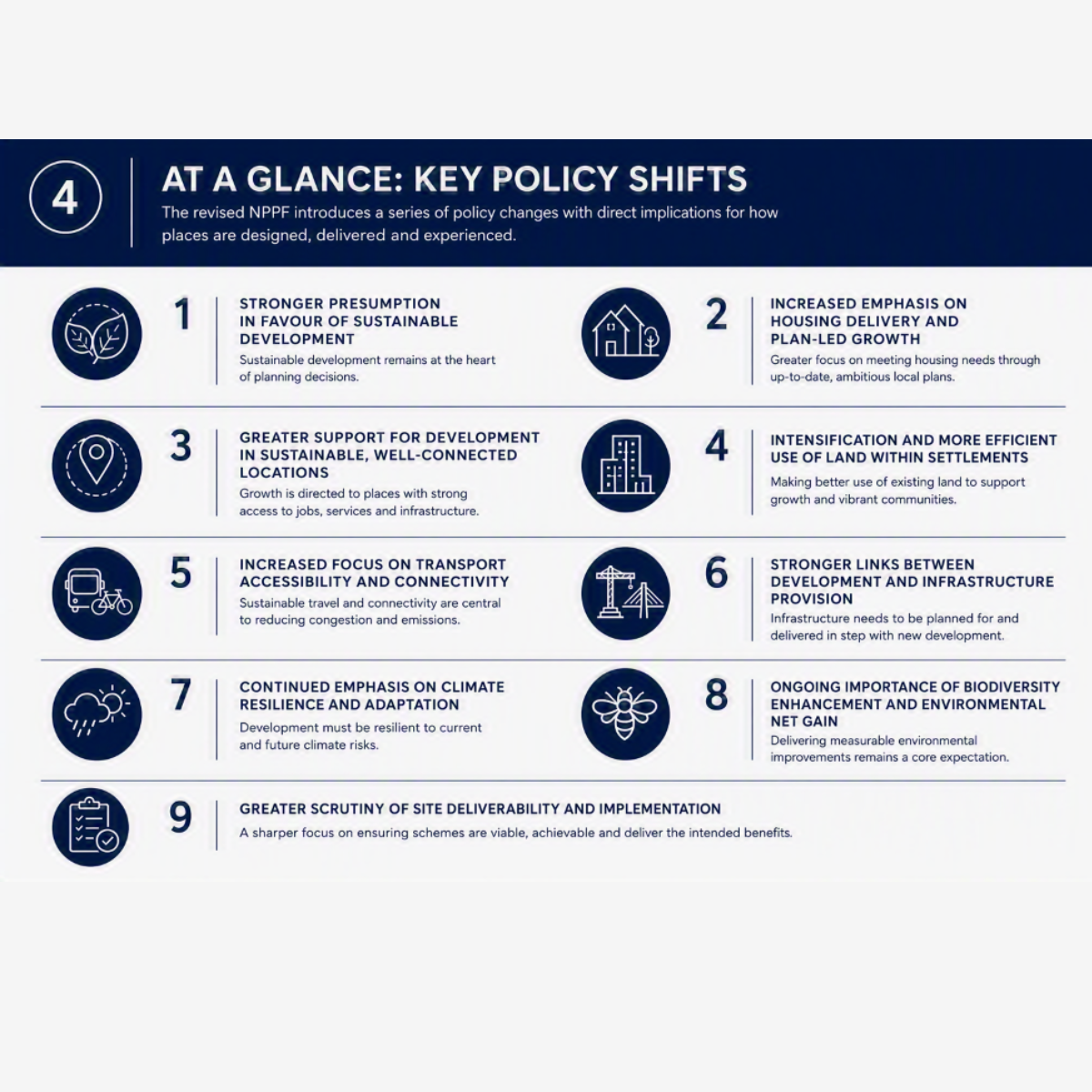
    At a Glance: Key Policy Shifts

    • Stronger presumption in favour of sustainable development
    • Increased emphasis on housing delivery and plan-led growth
    • Greater support for development in sustainable, well-connected locations
    • Intensification and more efficient use of land within settlements
    • Increased focus on transport accessibility and connectivity
    • Stronger links between development and infrastructure provision
    • Continued emphasis on climate resilience and adaptation
    • Ongoing importance of biodiversity enhancement and environmental net gain
    • Greater scrutiny of site deliverability and implementation

    Planning

    Planning: Designing for Deliverability

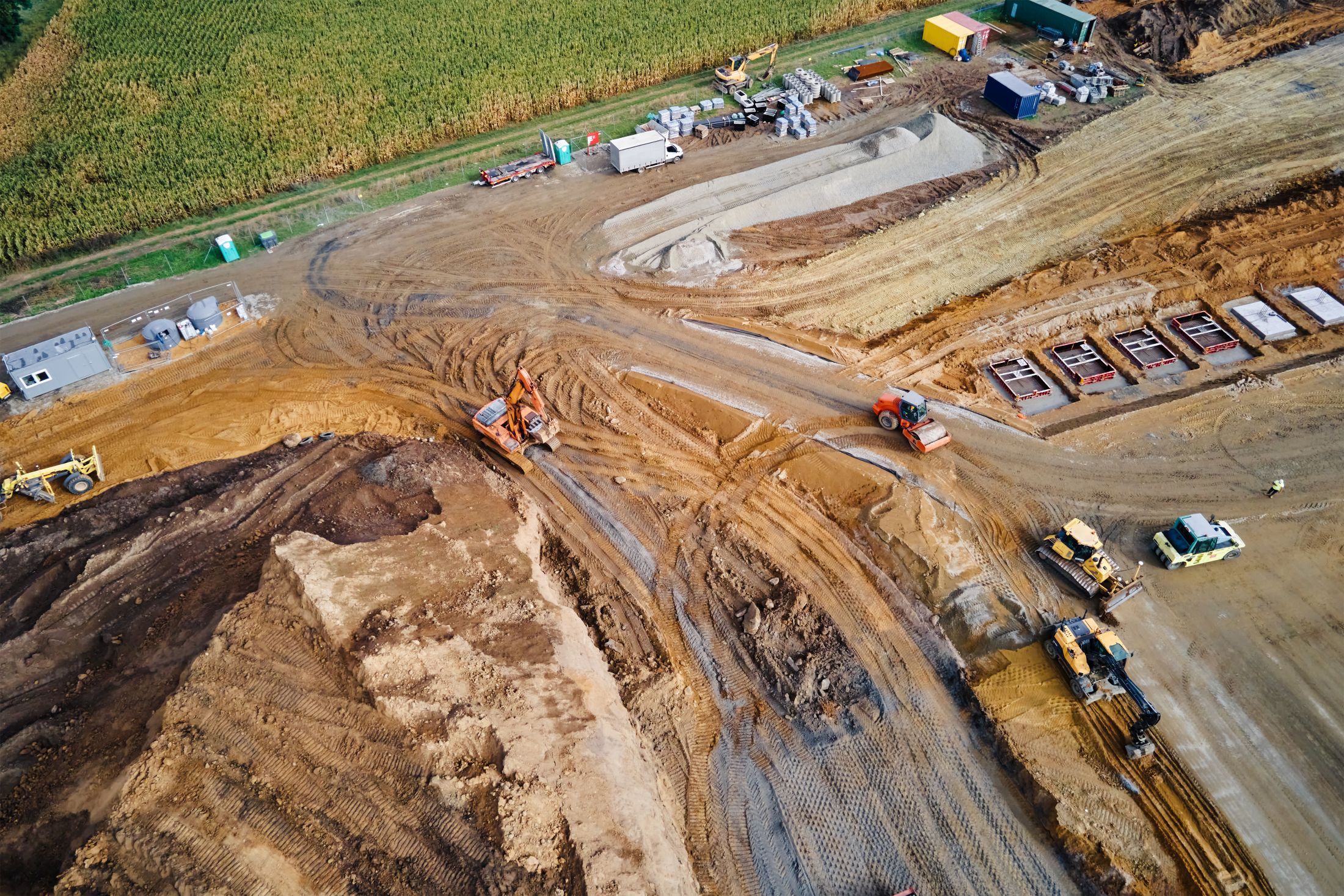
    “The revised NPPF places a stronger emphasis on deliverability, and that has important implications for design teams. Great architecture has always needed to balance vision with practical constraints, but the latest changes reinforce the need for schemes that can clearly demonstrate their ability to be realised. For architects, that means engaging with planning, environmental and technical considerations much earlier in the design process. The projects most likely to succeed will be those where placemaking ambitions are supported by a robust understanding of site opportunities, infrastructure requirements, and policy objectives from the outset.”

    James Nicol, Technical Director, Planning
    Planning
    Transport Planning 4 1

    Transport Planning: Connecting Places, Design and Delivery

    “The revised NPPF reinforces the importance of considering transport from the earliest stages of development. For architects, this creates an opportunity to think beyond individual developments and consider how they connect with the wider movement network from site selection and masterplanning through to construction and occupation. This means creating layouts that prioritise walking, wheeling and cycling, support public transport and remain safe, inclusive and accessible for all users.

    It also means considering from the outset how the development will be delivered. Access for construction vehicles, delivery routes, vehicle manoeuvring, temporary arrangements for pedestrians and cyclists, compounds and development phasing can all influence the design and should not be left until after planning permission. Early collaboration between architects, transport planners and construction advisers helps ensure proposals function effectively during construction and occupation, while creating places that are attractive, accessible and sustainable.”

    Philip Craig, Principal Transport Planner, Planning

    Transport Planning
    Flood Risk Assessments (FRA)

    Flood Risk: Designing for a Changing Climate

    “Climate resilience is becoming an increasingly important part of good design. The updated NPPF reinforces the need for developments that can respond to the realities of a changing climate, including more frequent and intense rainfall events. For architects, this presents an opportunity to integrate flood resilience, sustainable drainage and water-sensitive design principles into projects from the earliest stages. Schemes that successfully work with natural processes are often not only more resilient, but also deliver stronger placemaking and environmental outcomes.”

    Josh Rigby, Director, Environmental Assessment

    Flood Risk (FRA’s)
    Biodiversity Net Gain (BNG)

    Biodiversity Net Gain: Nature as a Design Driver

    “The direction of planning policy is clear: biodiversity and environmental enhancement should be embedded within development, and not an afterthought. Clearer parameters now provide a framework for innovation and interdisciplinary collaboration; for architects, this means treating ecology as a design opportunity rather than a compliance requirement. By integrating green infrastructure, habitat creation and biodiversity enhancement from the outset, projects can deliver measurable environmental benefits while also creating healthier, more attractive places for people to live and work.”

    Nick Masters, Principal Ecologist

    Ecology & Biodiversity

    Arboriculture: The Value of Existing Green Assets

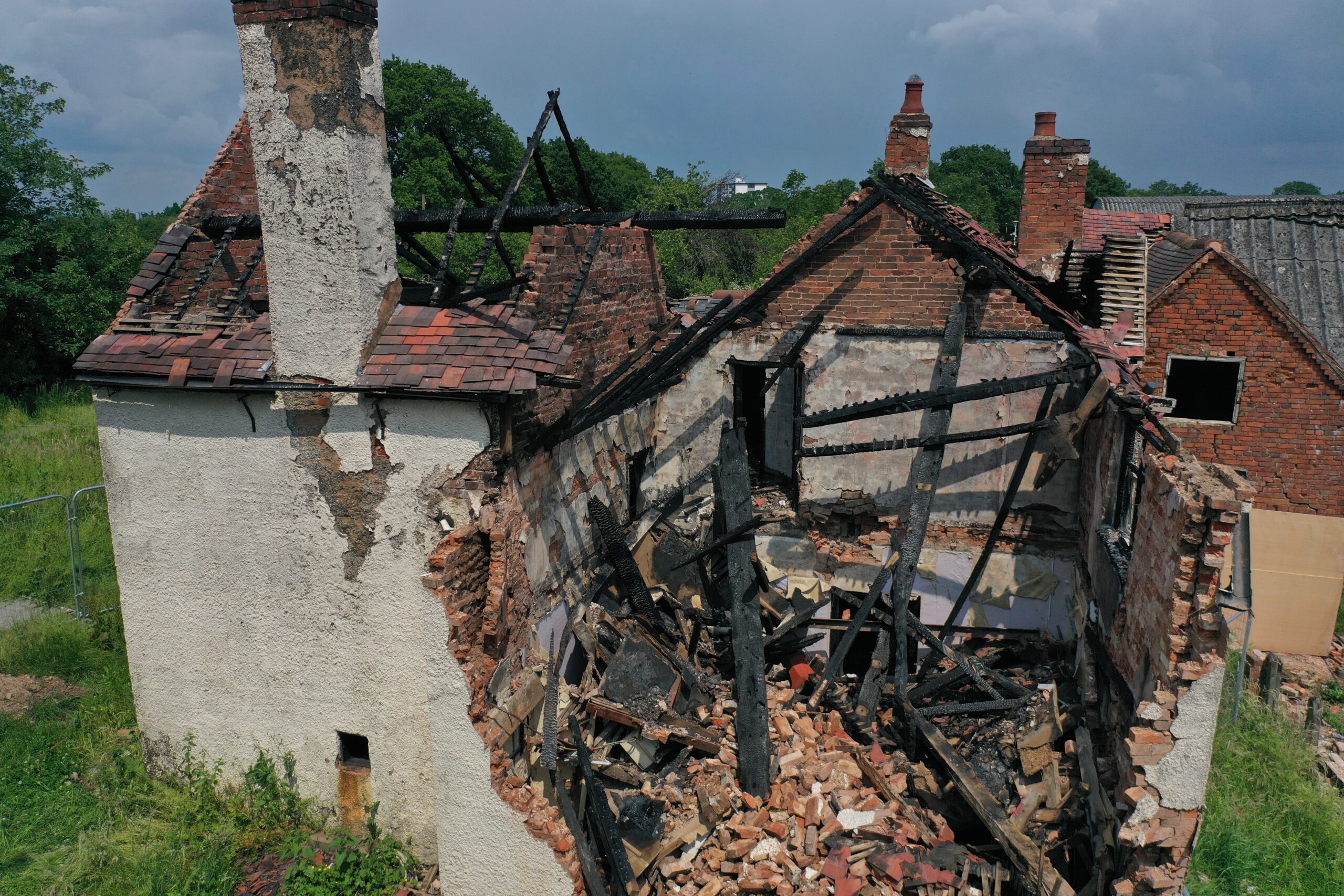
    “As development pressures grow and sites become increasingly complex, existing trees and green infrastructure should be seen as assets that shape design rather than constraints that limit it. Mature trees contribute to character, biodiversity, climate resilience and wellbeing, all priorities that align closely with the updated NPPF. Early arboricultural input enables design teams to understand what makes a site unique, helping to create proposals that respond positively to their context while delivering long-term environmental value.”

    Antony Price, Principal Consultant, Arboriculture & Forestry
    Arboriculture & Forestry Consultancy Services
    Heritage Assessment

    Heritage: Character as a Catalyst for Design

    “The latest NPPF continues to reinforce the importance of understanding significance and local character at an early stage. For architects, heritage should not be viewed solely as a planning consideration, but as a rich source of inspiration that can inform contemporary design. The strongest schemes are often those that respond thoughtfully to their historic context, creating developments that feel rooted in place while delivering the growth and change that communities need.”

    Peter Klemen, Principal Heritage Consultant

    Archaeology & Heritage
    Office acoustics 5

    Acoustics: Small Words, Big Design Implications

    “The recent NPPF update is a reminder that small changes in policy language can have significant implications for development and design. The shift from ‘avoid’ to ‘not result in’ may appear subtle, but it has the potential to influence how noise impacts are assessed and interpreted through the planning process. For architects, understanding these nuances is important because acoustic design is often closely linked to layout, building form, façade design and placemaking. The earlier these considerations are understood, the greater the opportunity to create environments that are both policy-compliant and enjoyable for the people who use them.”

    Chris Turner, Technical Director, Acoustics, Noise & Vibration

    Building Acoustics Consultancy Services

    A Multidisciplinary Approach Will Be Key

    While the revised NPPF contains a number of individual policy changes, the overarching direction of travel is clear. Successful development is increasingly dependent on the ability to balance growth, sustainability, infrastructure, environmental stewardship and placemaking within a single coherent vision.

    For architects, this means technical considerations can no longer be treated as standalone workstreams or addressed only at the point of planning submission. Issues such as transport connectivity, flood resilience, biodiversity enhancement, tree retention, heritage significance and acoustic performance all have a direct influence on design decisions from the earliest stages of project development.

    The strongest schemes will be those where architects work collaboratively with planners, engineers and environmental specialists from the outset, allowing opportunities and constraints to inform the design process rather than react to it. Early multidisciplinary engagement not only helps reduce risk and improve project certainty, but often leads to more creative, resilient and contextually responsive design solutions.

    Ultimately, the revised NPPF reinforces a principle that many architects already recognise: the best places emerge when design excellence is supported by a thorough understanding of policy, infrastructure, environment and community context. As the planning system continues to evolve, integrated thinking will be essential to delivering projects that are both compliant and genuinely successful.

    Contact Us

    Arthian Logo

    Arthian is a trusted partner, working collaboratively to deliver client-focused solutions.

    Join our newsletter

      hello@arthian.com
      +44 (0) 3301 200 151

      Office Locations

      • England
      • Ireland & Northern Ireland
      • Scotland
      • Wales
      Back to Top
      • Policies
      • HTML Sitemap

      LinkedIn

      © 2025 Arthian Ltd. All Rights Reserved | The name Arthian and the Arthian logo are Trade Marks licensed to Arthian Ltd. | 13 Henderson Road, Inverness, IV1 1SN. Registered in Scotland No. SC 163378

      Design & Build by Atomic Digital Marketing