Smarter Soil Management for Brownfield Regeneration of Industrial Land & COMAH Installations
Smarter soil reuse can reduce cost, carbon and regulatory risk on brownfield sites. Explore how early planning supports sustainable industrial redevelopment
6th May 2026

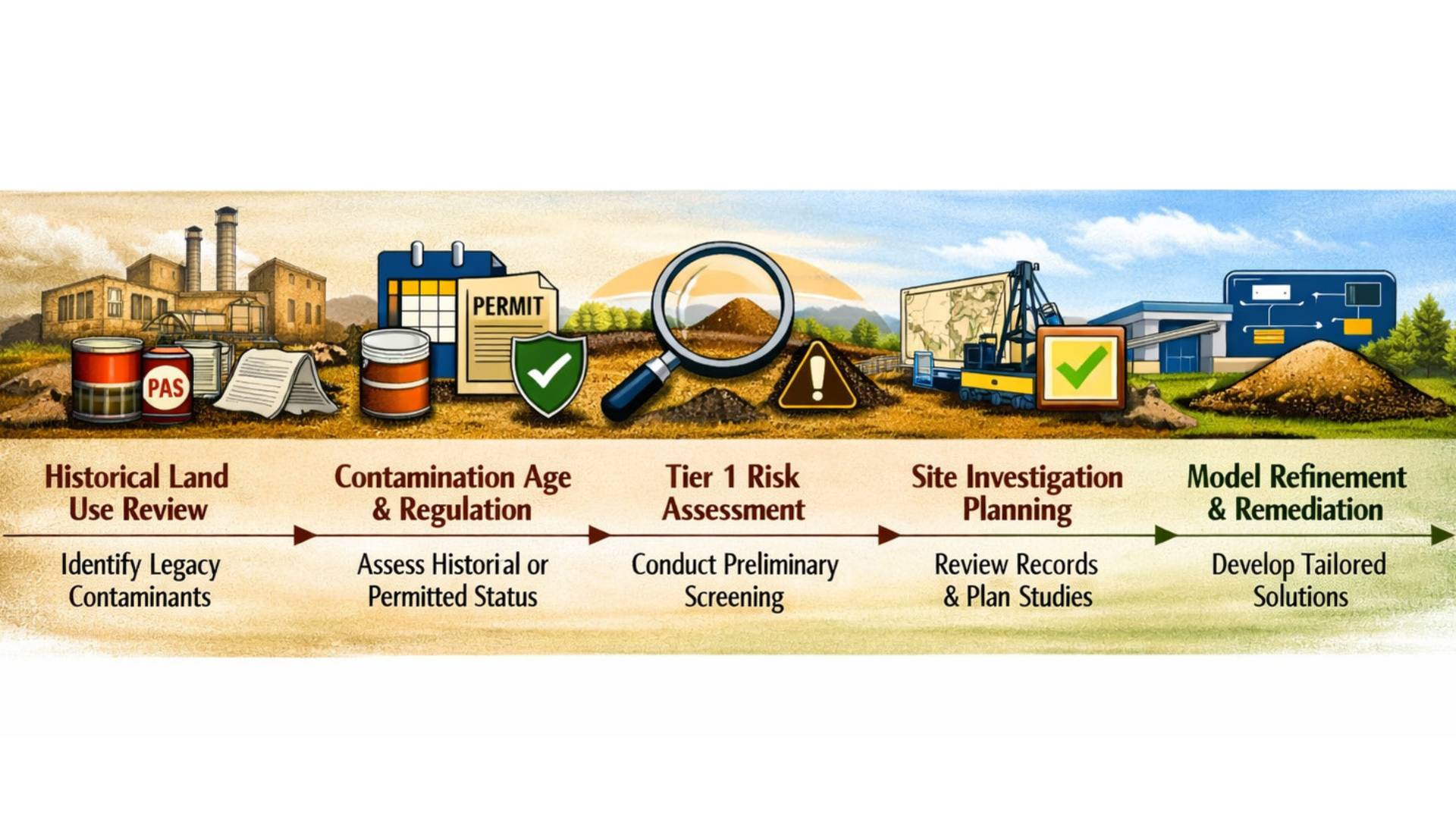
Industrial redevelopment often brings long‑standing subsurface challenges into sharp focus. Decades of historical operations, dismantled infrastructure and legacy contamination can introduce cost, programme and regulatory risk if soils are not managed strategically from the outset.
As sites transition through demolition, decommissioning or repurposing, early integration of soil reuse principles can turn these constraints into opportunities — supporting sustainable redevelopment while maintaining regulatory compliance.
Why Soil Reuse Matters on Industrial Sites
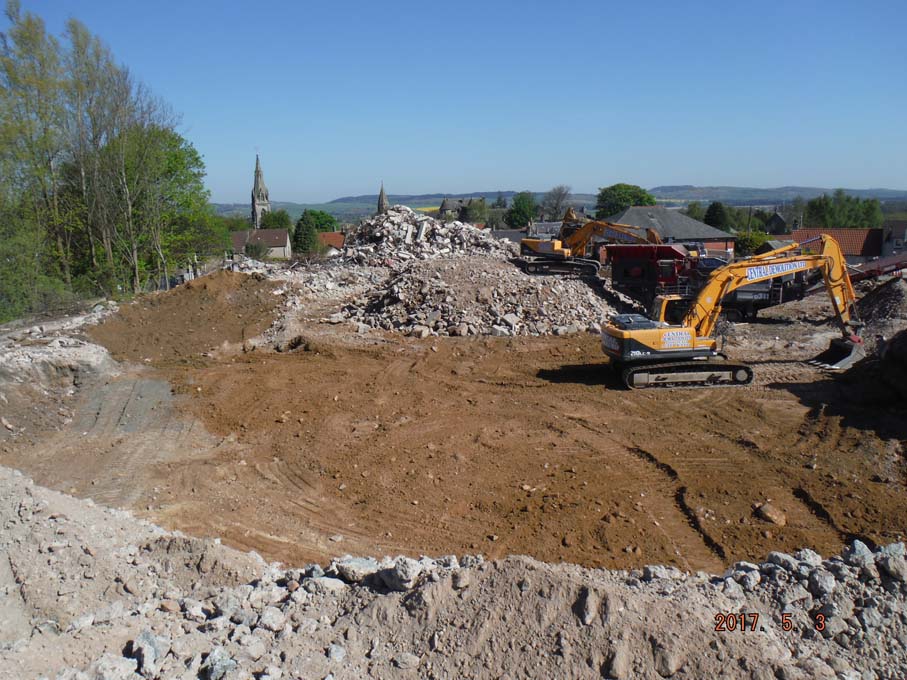
Redevelopment typically generates large volumes of excavated soil from foundation works, removal of buried services and remediation of historic hotspots. Without a reuse strategy, soils can quickly become a disposal and logistics issue, driving up costs and carbon impacts.
A structured soil reuse approach allows operators to:
- Reduce reliance on landfill and off‑site disposal
- Minimise delays linked to waste classification and haulage constraints
- Support planning expectations around material circularity and sustainability
- Align redevelopment activity with ESG and decarbonisation objectives
Frameworks such as CL:AIRE Materials Management Plans and Hub and Cluster models provide lawful, auditable routes for reusing soils both on and off site.
Managing Contamination Risk During Redevelopment
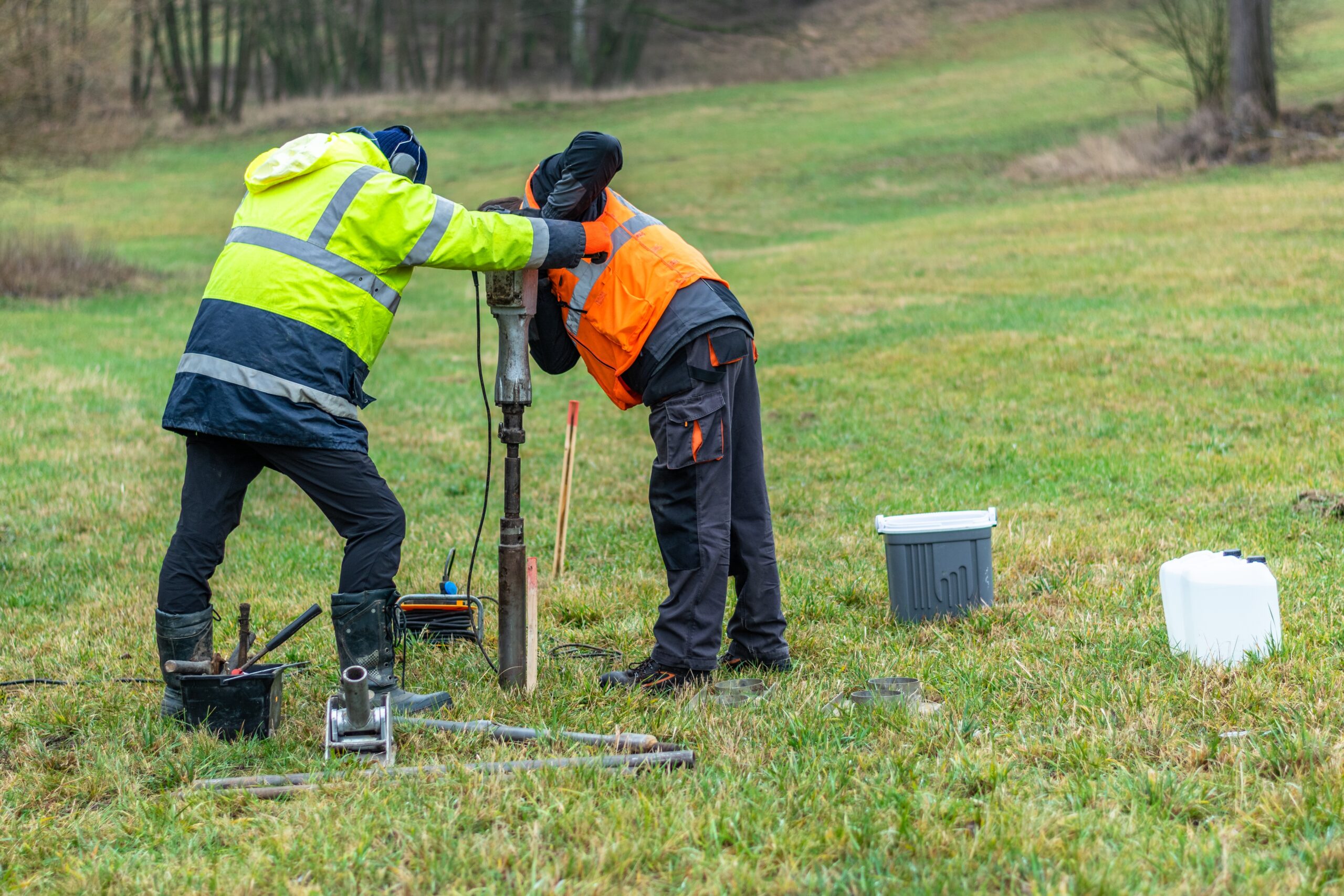
Demolition and land clearance frequently expose soils that were previously inaccessible, including hydrocarbon‑impacted ground, solvent plumes beneath buildings, asbestos in made ground, or undocumented backfill. Robust contaminated land assessment — guided by the Land Contamination Risk Management framework — is essential to understand these risks and shape proportionate remediation strategies.
Distinguishing between historical contamination and impacts associated with permitted operations is particularly important on regulated industrial and COMAH sites, where permit surrender and Regulation 61 requirements may apply.
Planning and Permitting Considerations
Regulatory and planning expectations increasingly emphasise sustainable soil management. Developers are expected to demonstrate material reuse, consider treatment options before disposal, and evidence the carbon impacts of soil handling and transport.
From a permitting perspective, soil reuse must be transparent, traceable and defensible. Hub and Cluster arrangements, supported by compliant Materials Management Plans, can provide a practical solution — enabling material movement under a single regulatory framework while maintaining auditability.
Limitations and Early Risk Identification
While soil treatment hubs offer clear benefits — including economies of scale and reduced regulatory burden — not all contaminants are suitable for hub‑based treatment. Substances such as PFAS and free‑phase hydrocarbons typically require specialist approaches.
Early identification of these constraints is critical to avoiding programme delays and ensuring realistic redevelopment planning.
Embedding Soil Reuse Early
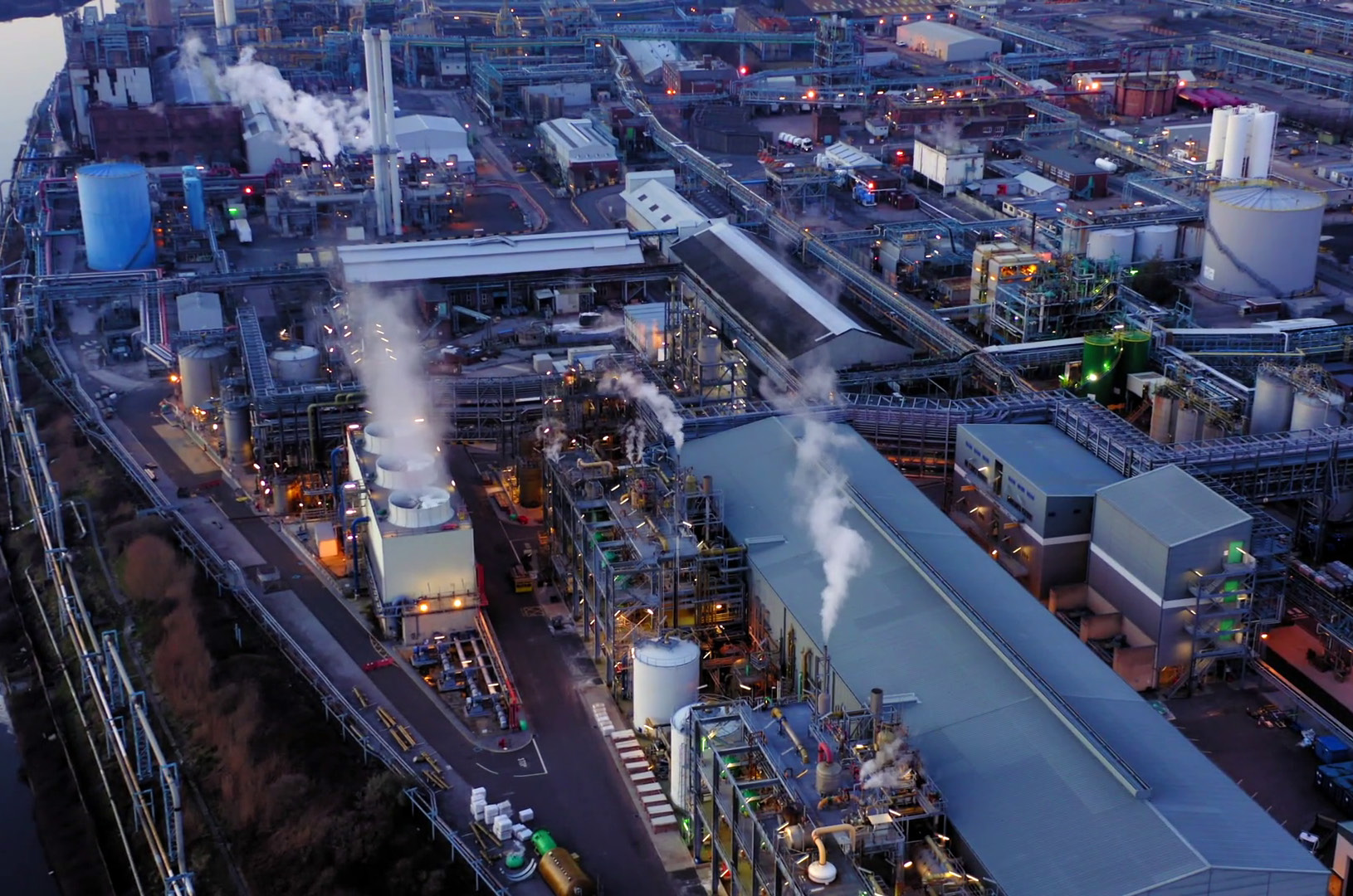
Soil reuse is not a late‑stage waste decision but a strategic planning tool. Embedding reuse principles early in demolition, design and assessment phases helps reduce redevelopment risk, improve regulatory alignment, and deliver more sustainable outcomes.
With the right technical input and regulatory strategy in place, soil reuse can play a central role in unlocking brownfield regeneration while demonstrating leadership in sustainable industrial redevelopment.