Occupied Buildings Risk Assessment (OBRA)
Arthian’s consultants carry out Occupied Building Risk Assessments (OBRA) to evaluate risks from hazardous events, strengthen workplace safety, and ensure compliance with COMAH and industry standards.
Process Safety & Blast-Resistant Design
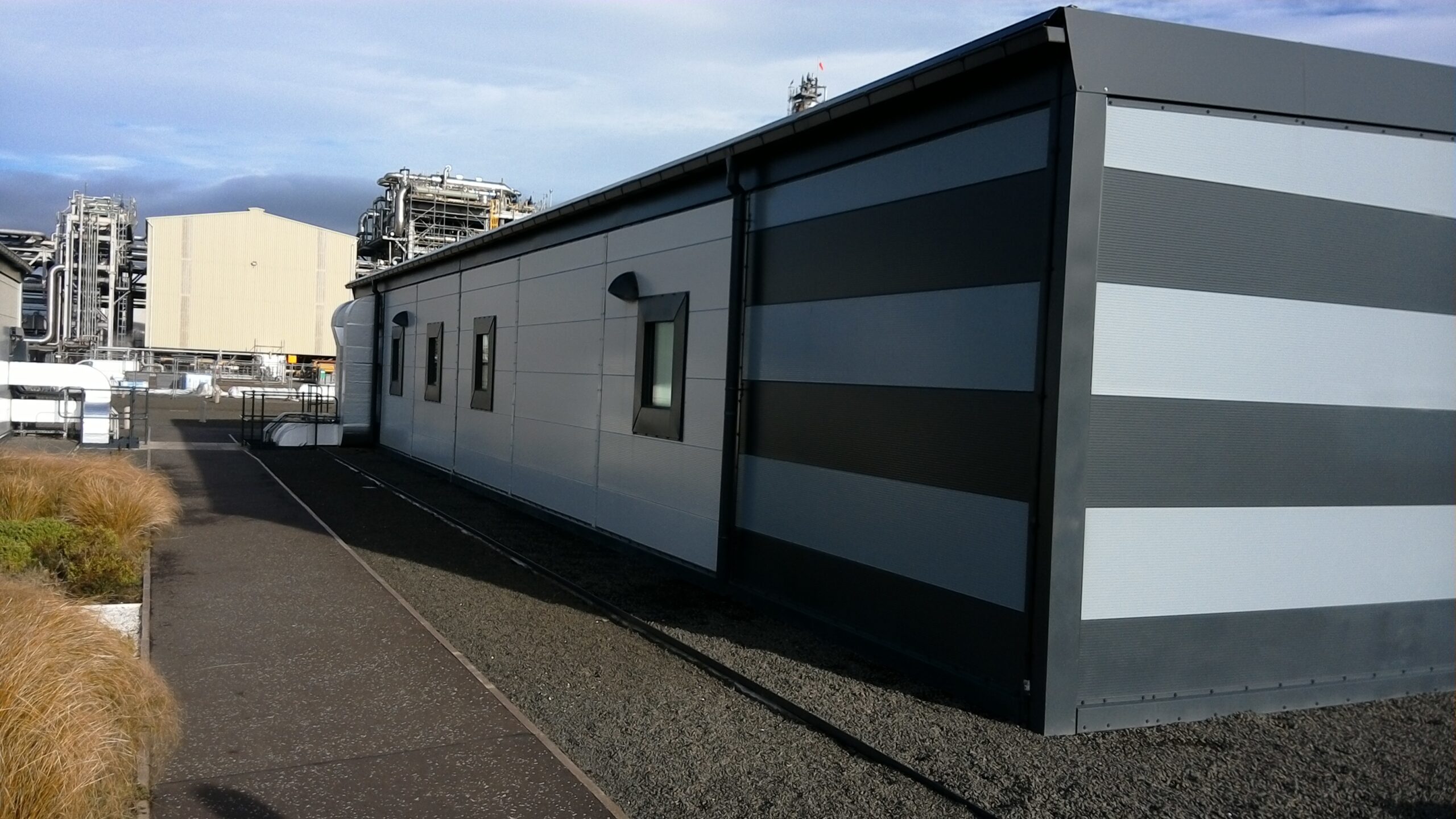
Arthian delivers Occupied Building Risk Assessments (OBRA) to help operators of high-hazard sites evaluate and mitigate risks to personnel in offices, control rooms, temporary buildings and other occupied structures. Our approach combines process safety risk modelling with structural engineering expertise—ensuring buildings are appropriately located, designed and protected against fire, explosion and toxic gas hazards.
Our assessments follow the Chemical Industries Association (CIA) Guidance for the location and design of occupied buildings on major hazard sites.
We support:
- Upper and Lower Tier COMAH sites
- Distilleries and drinks manufacturing
- Chemical and pharmaceutical facilities
- Energy from waste and renewables
- Industrial gases, fuels and bulk storage
- High-risk manufacturing and processing sites
What is an OBRA and Why is it Required?
An OBRA evaluates whether building occupants are exposed to avoidable risks from Major Accident Hazards (MAHs). It considers:
- Building location relative to hazard sources
- Potential exposure to fire, explosion or toxic release
- Emergency response and shelter-in-place capability
- Structural resilience and survivability
While not a statutory requirement, OBRA is considered industry best practice and is expected by regulators as part of COMAH safety report submissions. It helps demonstrate that risks are as low as reasonably practicable (ALARP).
Our OBRA Services
We offer a full suite of OBRA services alongside comprehensive structural engineering expertise. Our structural engineers specialize in blast-resistant building design and retrofit, structural response modelling using single- and multi-degree-of-freedom methods, cladding and envelope assessment, layout optimization and siting analysis, as well as design support for both new and temporary buildings. This integrated approach ensures effective risk reduction while enhancing engineering resilience.
We assess building vulnerability through both hazard-based and risk-based Occupied Building Risk Assessments (OBRA), ensuring alignment with regulatory expectations and industry best practice. Our balanced approach helps clients protect personnel, justify building locations, and meet regulatory scrutiny with confidence.
Our services include:
- Hazard-based OBRA to identify credible external threats (e.g. fire, explosion, toxic release)
- Risk-based OBRA to evaluate likelihood, consequence, and effectiveness of existing safeguards
- Support in defining building siting, occupancy, and protection strategies
- Integration with COMAH, DSEAR, and functional safety frameworks
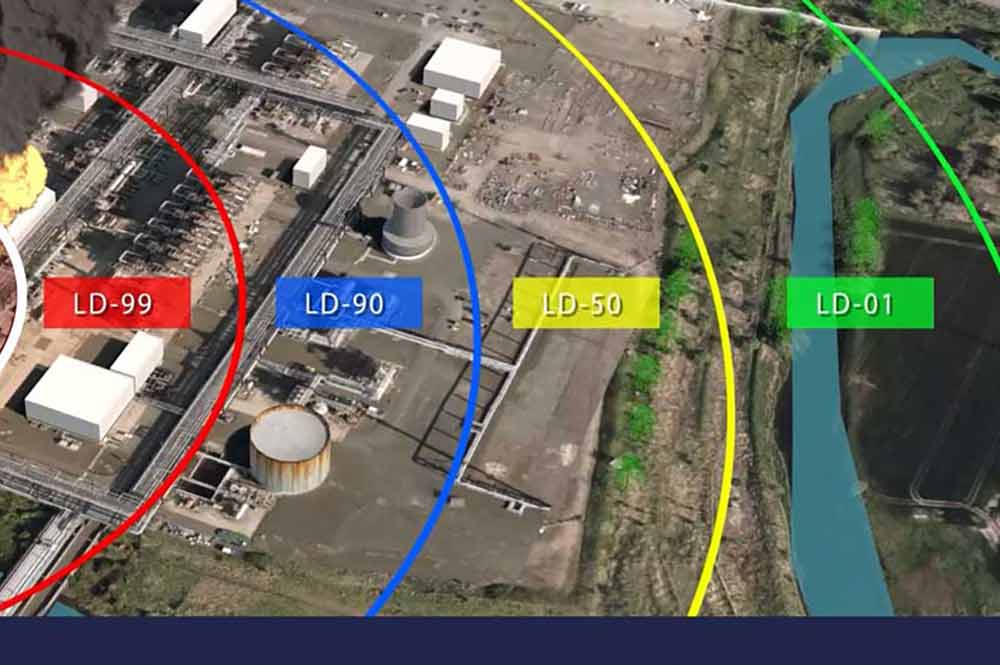
Our consequence modelling service includes overpressure, thermal and toxic gas. We use advanced modelling tools to simulate hazardous scenarios and support robust, defensible risk evaluations.
Our services include:
- Overpressure modelling to assess blast impacts and structural vulnerability
- Thermal radiation modelling to evaluate fire scenarios and exposure risks
- Toxic gas dispersion modelling to predict concentration profiles and affected zones
- Integration of results into risk assessments, OBRA studies, and emergency planning
We help clients protect occupied buildings by identifying key risks and recommending proportionate, targeted mitigation measures. Our structured approach supports defensible decision-making and helps clients reduce vulnerability across high-risk sites.
Our services include:
- Ranking risks based on consequence severity, likelihood, and proximity to occupied structures
- Prioritising threats that pose the greatest exposure to personnel and assets
- Recommending tailored mitigation strategies—such as siting adjustments, structural upgrades, or occupancy controls
- Ensuring alignment with OBRA methodology and regulatory expectations (e.g. COMAH, DSEAR)
We evaluate the resilience of occupied buildings to major accident hazards, supporting safe siting and protection strategies.
Our services include:
- Assessment of structural integrity against overpressure, thermal radiation, and toxic release scenarios
- Evaluation of occupancy levels, usage patterns, and exposure duration
- Identification of vulnerability factors and potential escalation risks
- Integration with OBRA studies and regulatory frameworks such as COMAH and DSEAR
Our OBRA services support the development of integrated strategies to manage risks to occupied buildings across complex, high-hazard sites. This holistic approach ensures consistent protection, regulatory compliance, and informed decision-making across your facility.
Our services include:
- Mapping of building locations relative to major accident hazard sources
- Aggregated risk evaluation across multiple structures and occupancy types
- Development of site-wide mitigation strategies including siting, shielding, and occupancy controls
- Alignment with COMAH, DSEAR, and corporate safety standards
Our OBRA outputs are designed to integrate seamlessly with wider regulatory frameworks, supporting efficient compliance and consistent safety management. This integrated approach streamlines regulatory engagement and strengthens the defensibility of site-wide safety decisions.
Our services include:
- Alignment of OBRA findings with COMAH safety report requirements
- Integration with DSEAR risk assessments and hazardous area classification outputs
- Support for environmental permitting submissions, including risk justification and mitigation evidence
- Ensuring traceability and consistency across all regulatory deliverables
Frequently Asked Questions
Is OBRA a legal requirement under COMAH?
Not explicitly—but regulators expect it as part of demonstrating ALARP for building occupants on high-hazard sites.
What’s the difference between hazard-based and risk-based OBRA?
Hazard-based OBRA screens for potential risks. Risk-based OBRA quantifies those risks and recommends mitigation based on consequence modelling.
Can you assess structural resilience of buildings?
Yes—our engineers model building response to blast, thermal and toxic hazards, and design upgrades or new structures to meet safety targets.
How often should OBRA be reviewed?
Typically every 5 years, or after significant changes to site operations, layout or hazard profile.
Get in Touch
We’d love to hear from you – whether you have a question, a project in mind, want to explore job opportunities, or just want to say hello.