SEPA’s New Groundwater Guidance: What WAT‑G‑071 Means for Developers – and How to Stay Ahead
14th August 2026
What has changed?
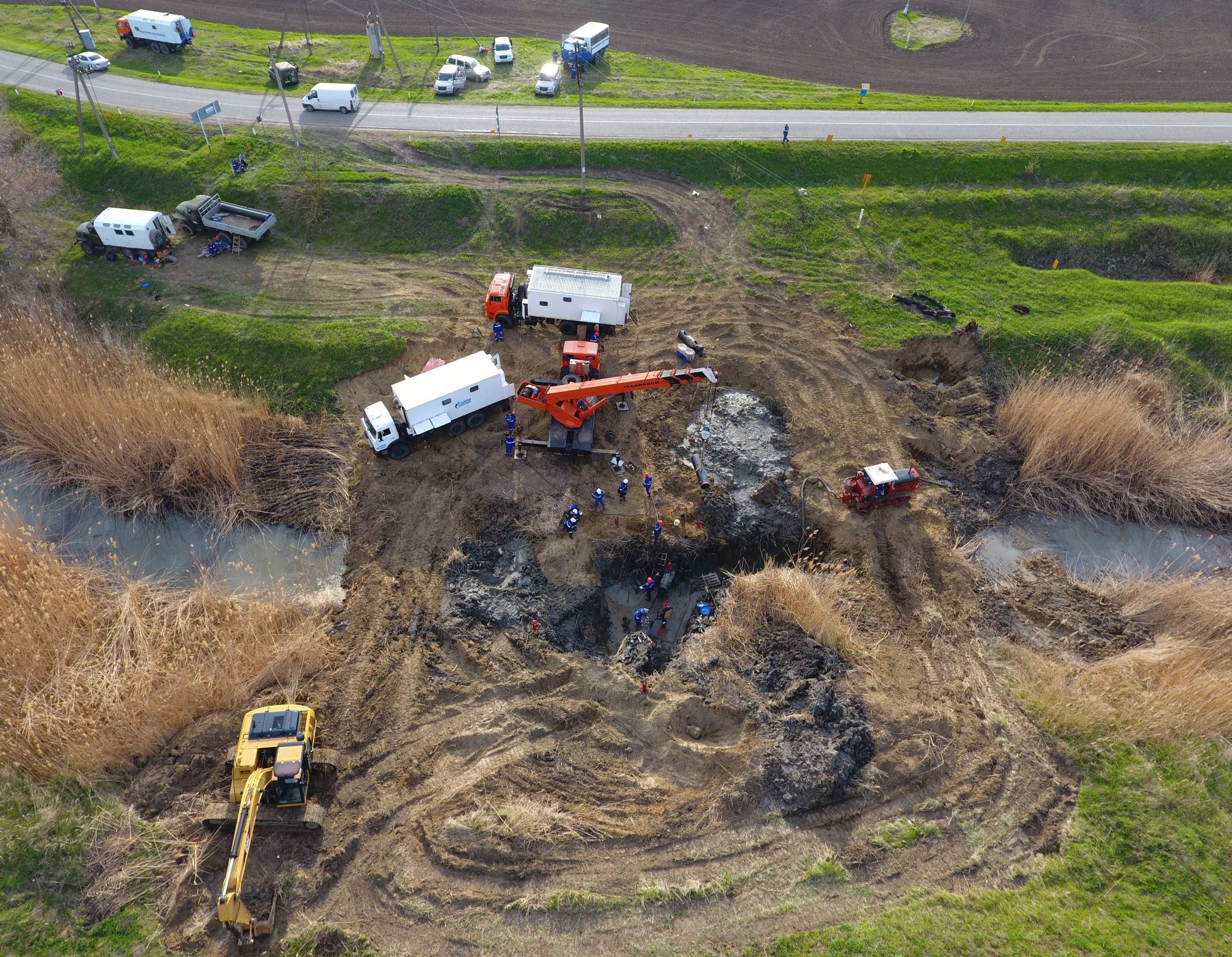
SEPA’s move from WAT‑PS‑10‑01 to WAT‑G‑071 may look, at first glance, like a tidy guidance update. In reality, it marks a clearer statement of how groundwater risk should be assessed and justified in Scotland. The important point is not that the underlying legal position has suddenly changed. The previous guidance was grounded in the same water environment legislation and, properly interpreted, implied much the same need for robust investigation, conceptual understanding and risk assessment. What has changed is how explicitly SEPA is now expressing those expectations.
That matters because explicit guidance changes the planning conversation. There is less room for assumption, less tolerance for poorly explained uncertainty, and a stronger expectation that conclusions will be supported by site-specific evidence. The update probably reflects SEPA’s experience of receiving too many weak or incomplete water environment risk assessments: reports that identify possible groundwater issues but do not properly test pollutant linkages, justify assumptions or explain why the available evidence is sufficient.
Why it matters for developers
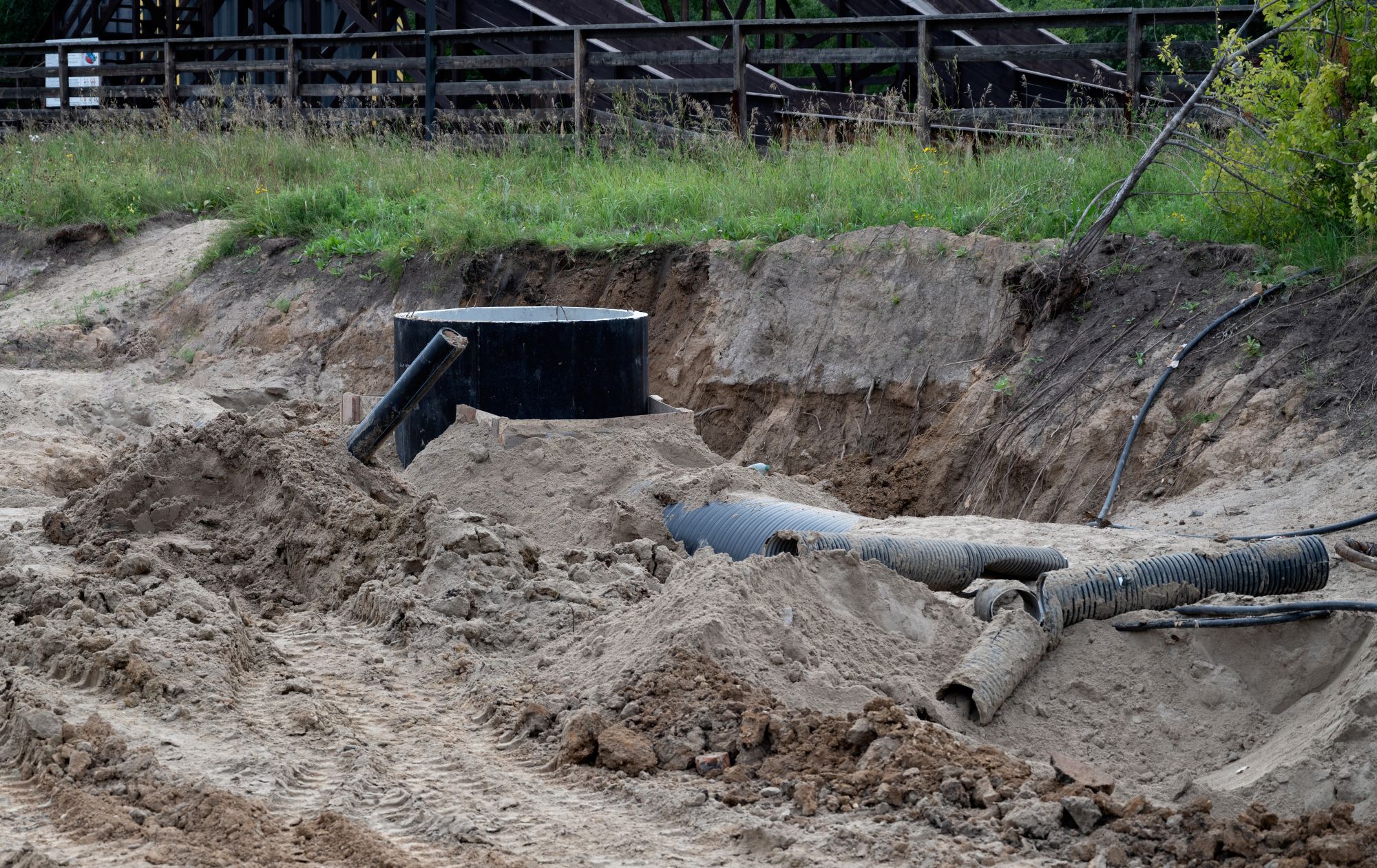
For developers, the implications are practical and potentially costly. A brownfield redevelopment can be delayed where the groundwater evidence base is too thin, particularly where only one monitoring round has been completed, seasonal variation has not been considered, or the site setting suggests groundwater could form a relevant pathway. What may once have been accepted as an initial indication of groundwater quality is now less likely to satisfy SEPA or a planning authority if the assessment does not explain how groundwater behaves, how contaminant concentrations may vary, and whether pollutant linkages have been properly tested.
Baseline water quality is another area where the updated guidance is likely to sharpen expectations. Understanding up-gradient anthropogenic influences remains important, especially when distinguishing site-derived impacts from wider catchment conditions and setting realistic remedial objectives. However, WAT‑G‑071 makes it much clearer that background influences cannot simply be used as a shortcut to relax groundwater standards. Baseline evidence needs to support the risk assessment, not undermine the level of protection expected for the water environment.
Better evidence, stronger conceptual site models
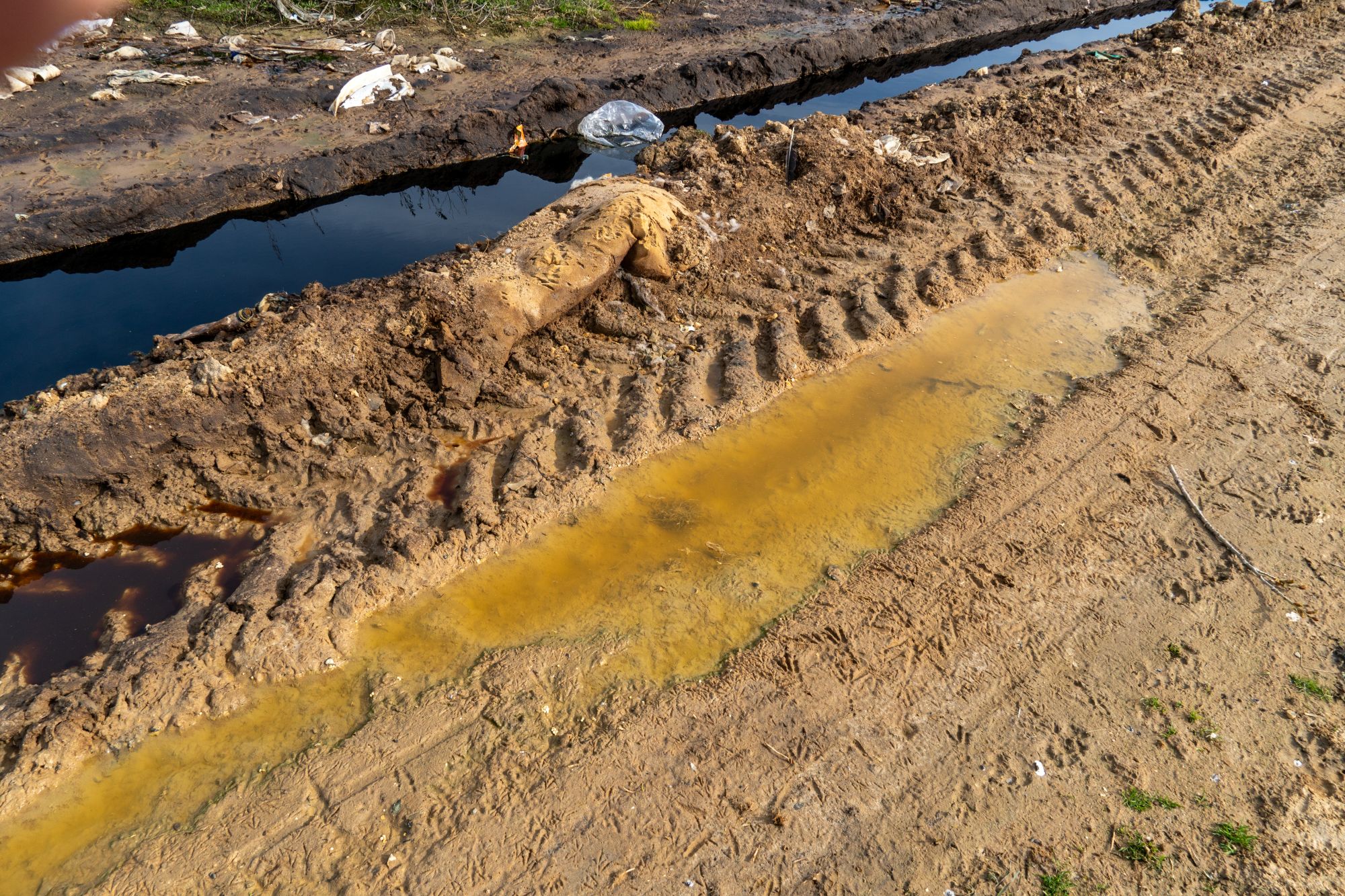
One of the clearest practical additions is the requirement to consider the potential area of any contaminant plume, rather than focusing only on concentrations at individual monitoring points. This matters because plume extent can influence both the assessment of localised pollution and whether there is any risk to the chemical or quantitative status of the wider groundwater body. Assessments therefore need to explain whether contamination is stable, shrinking or migrating; whether it could extend beyond the site boundary; and whether it has the potential to cause deterioration, prevent recovery or compromise environmental objectives.
This immediately raises the importance of the conceptual site model. To assess plume area credibly, the model needs to show how the site has been understood, what pollutant linkages are plausible, what evidence supports the risk rating, and where uncertainty remains. A short narrative listing possible sources, pathways and receptors is unlikely to be enough, particularly on sites with made ground, historic industrial uses, fuel storage, drainage infrastructure, buried services, sensitive aquifers or nearby surface water receptors. In practice, this means connecting desk study findings, ground investigation data, groundwater levels, hydraulic gradients, contaminant results and receptor sensitivity into a coherent picture of how contamination may move through the groundwater environment.
For site investigation design, the implication is that monitoring strategies need to be proportionate but defensible. Developers may need additional monitoring locations, repeat sampling, groundwater flow interpretation and a clearer explanation of plume geometry, uncertainty and likely behaviour over time. This does not mean every site requires the most extensive groundwater investigation possible, but it does mean investigation scopes should be designed around the likely pollutant linkages, hydrogeological setting, proposed development and regulatory decisions that need to be made. Where monitoring data are limited, the report should explain why they are sufficient or identify what further work is needed. Where uncertainty remains, it should be managed openly rather than glossed over.
Plan early, avoid avoidable delay
The smartest move developers can make is to build groundwater evidence in early, not treat it as a late compliance exercise. Groundwater should be considered at feasibility and pre-planning stage, before designs are fixed or submissions are under review. Early screening can identify whether seasonal monitoring is needed, whether additional wells are required, whether there are sensitive receptors nearby, and whether the proposed investigation scope is likely to be accepted as proportionate.
As this change beds in, more early interpretation of SEPA’s expectations, designing proportionate investigation scopes, and strengthening conceptual site models before they become planning issues is required. That early input helps developers make better decisions before money is committed to designs, programmes or land deals that may later need to change. It also helps align monitoring strategies, assessment criteria and remedial objectives from the start, rather than retrofitting them after regulator comments have been received.
The Bottom Line
WAT‑G‑071 is not a change in the underlying legal duty to protect the water environment, but it is a much clearer expression of what SEPA expects to see in practice. Developers relying on minimal monitoring, broad assumptions or loosely developed conceptual site models may find both SEPA and planning authorities asking tougher questions. Those who adapt early will be better placed to move through planning with fewer surprises, fewer avoidable delays and a stronger understanding of site risk.