Climate Resilience and Loss of Containment: Why CCRA Is Now a Licence to Operate for the UK’s Bulk Storage Sector
Climate-driven risks are reshaping UK bulk liquid storage. Explore how CCRA helps operators manage containment, compliance and future resilience.
9th October 2026
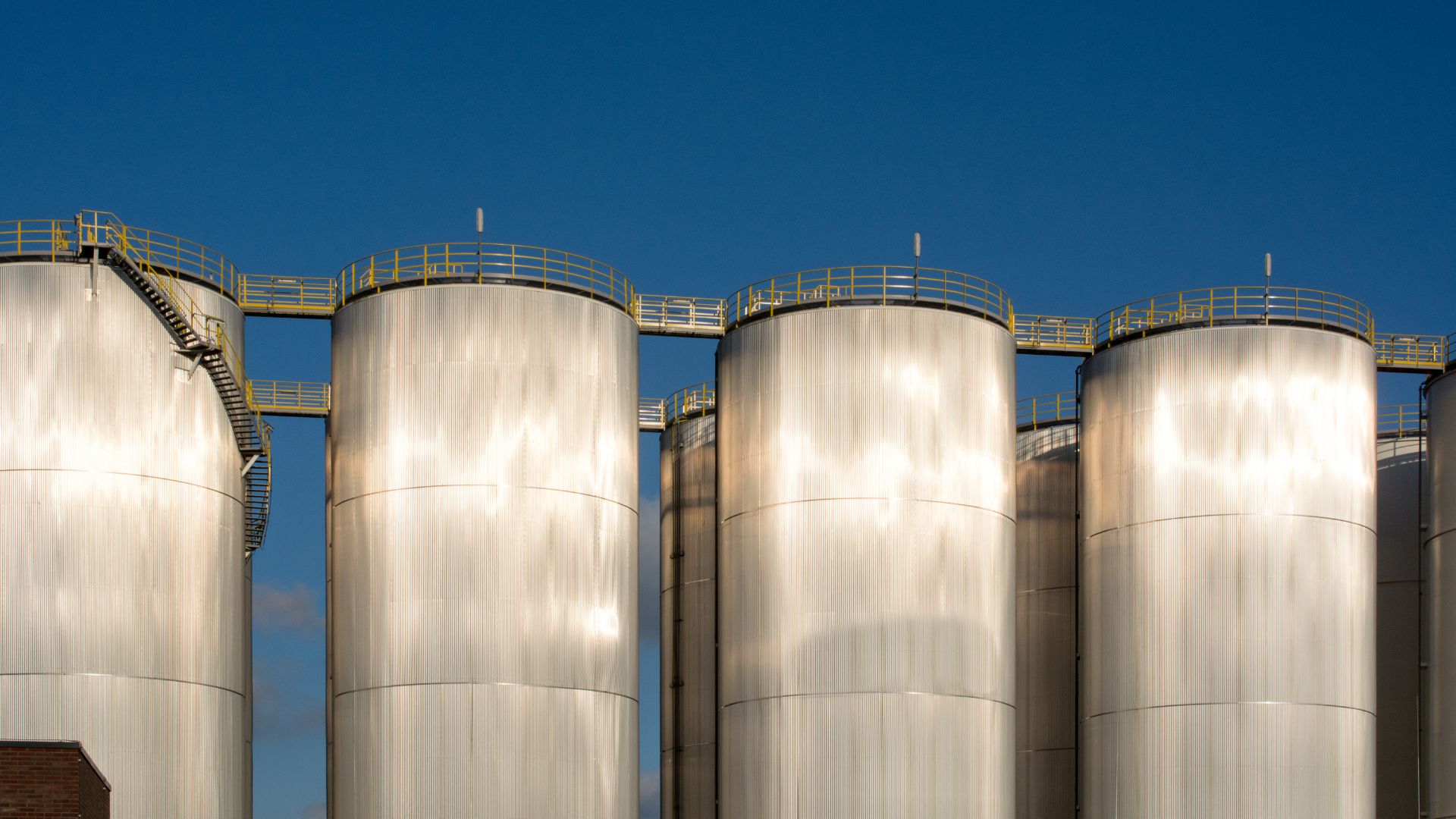
Climate change is reshaping the operating landscape for the UK’s bulk liquid storage sector. For years, climate risk was treated as something abstract — a distant environmental concern, a modelling exercise, or a future‑facing compliance requirement. But the reality facing terminals today is far more immediate. Climate change is now a direct operational risk, a regulatory risk, and increasingly a financial risk.
And nowhere is this more visible — or more consequential — than in the rising likelihood of loss of containment.
Loss of containment has always been a critical safety and environmental concern. But under accelerating climate pressures, it is becoming a defining test of terminal resilience. The next cycle of the UK’s Climate Change Risk Assessment (CCRA) will make this clear: terminals that understand, quantify, and mitigate climate‑driven containment risks will be the ones that remain compliant, insurable, and investable.
This is not a theoretical shift. It is already happening.

Loss of Containment: A Climate Risk, a Regulatory Risk, and an Offence
Under UK environmental law, allowing hazardous or polluting substances to spill on your site is an offence. The fines are significant, the reputational impact is severe, and the regulatory consequences can be long‑lasting.
Climate change is increasing the probability of these events. Not because operators are less diligent, but because the operating environment is becoming more volatile.
Higher temperatures increase vapour pressure and stress tank integrity. More intense rainfall challenges bund capacity. Storm surges threaten pump rooms and electrical systems. Drought conditions can cause ground shrinkage that affects tank foundations. And wildfires — once considered a remote risk in the UK — are now a credible threat to above‑ground assets, cabling, and pipework.
Loss of containment is no longer a static engineering risk. It is a climate‑conditioned risk, and terminals must treat it as such.
This is where climate‑risk modelling becomes operationally valuable. Our team specialises in quantifying loss‑of‑containment likelihood under future climate scenarios, enabling operators to understand not just whether their site is exposed, but how, when, and to what extent.
This is the kind of insight that helps terminals avoid fines, strengthen COMAH safety cases, and demonstrate proactive compliance to regulators and insurers.
Beyond Floods and Storms: The Full Climate Hazard Picture
The bulk storage sector has historically focused on two climate hazards: flooding and extreme rainfall. These remain critical, but they are only part of the picture.
The next CCRA cycle will emphasise a broader set of hazards that directly affect tanks, pipework, and containment systems:
1. Extreme Heat and Thermal Stress
Heatwaves are becoming more frequent and more intense. For terminals, this means:
- Increased vapour pressure in tanks
- Higher risk of seal degradation
- Accelerated corrosion rates
- Thermal expansion affecting pipework and joints
Heat is a containment risk — and one that requires proactive engineering and operational planning.
2. Wildfires and Heat‑Driven Ignition Sources
Wildfires are no longer a Mediterranean problem. The UK has seen multiple significant wildfire events in recent years, and the risk is rising. For terminals, wildfires introduce:
- Direct ignition risk to above‑ground assets
- Smoke and particulate contamination
- Heat damage to cabling and instrumentation
- Restricted access for emergency response
This is a new category of climate‑driven operational disruption.
3. Drought and Ground Movement
Prolonged dry periods cause soil shrinkage, affecting tank foundations, bund walls, and underground pipework. This can lead to:
- Micro‑fractures
- Misalignment
- Increased risk of slow leaks
These are subtle risks — but they are precisely the kind that lead to regulatory breaches if undetected.
4. High‑Wind Events and Storm Surges
Wind loading affects tank roofs, floating roof seals, and jetty operations. Storm surges threaten pump rooms, electrical systems, and critical control infrastructure.
5. Compound Hazards
The most significant climate risks are not single events but compound events:
- Heat + drought
- Storm surge + heavy rainfall
- Wildfire + high wind
These combinations create conditions that traditional risk assessments do not capture.
This is why CCRA matters. It forces the sector to look beyond the familiar and prepare for the emerging.
CCRA as a Strategic Asset — Not a Compliance Burden
The Tank Storage Association has been clear: climate resilience is now a strategic priority for the sector. But to unlock its value, CCRA must evolve from a hazard‑mapping exercise into a decision‑making tool.
A climate risk assessment is only useful if it changes how terminals invest, maintain, and plan.
Our team’s work with operators shows that the most effective CCRAs do three things:
1. Quantify Climate‑Driven Loss‑of‑Containment Risk
This means modelling:
- Tank‑level exposure
- Bund performance under future rainfall
- Vapour pressure changes under heat scenarios
- Foundation stability under drought conditions
- Wildfire proximity and ignition likelihood
This is the level of detail regulators and insurers increasingly expect.
2. Translate Climate Risk into Operational Actions
A good CCRA should tell operators:
- Which tanks need priority hardening
- Which assets require monitoring upgrades
- Where bund capacity must be increased
- How maintenance cycles should adapt to climate conditions
- How emergency response plans should evolve
This is where climate science becomes operational resilience.
3. Support Future Fuels and Energy Transition Planning
Terminals are diversifying into sustainable aviation fuels, methanol, ammonia, hydrogen carriers, and biofuels. These products have different thermal behaviours, different containment risks, and different climate sensitivities.
Climate resilience is not separate from the energy transition — it is a prerequisite for it.
A Framework for Climate‑Resilient Terminals
To help operators structure their climate resilience planning, we use a simple, sector‑specific model: the 4Rs Framework.
- Risk: quantify climate hazards at asset level, including loss‑of‑containment likelihood.
- Readiness: assess current resilience of tanks, bunds, jetties, utilities, and emergency systems.
- Retrofit: identify costed interventions aligned with COMAH, environmental law, and future fuels.
- Recovery: Plan for rapid restart after climate‑driven disruption, including wildfire or heatwave impacts.

The Commercial Case: Insurability, Investability, and Compliance
Climate resilience is not just an engineering challenge. It is a commercial one.
Insurers are already tightening requirements for high‑risk sites. Investors are scrutinising climate exposure. Regulators are increasing expectations for proactive risk management.
Terminals that can demonstrate quantified climate‑risk modelling — especially around loss of containment — will be better positioned to:
- Maintain insurance coverage
- Avoid environmental fines
- Strengthen COMAH safety cases
- Attract investment for future fuels
- Protect operational continuity
This is why climate resilience is becoming a licence to operate.
A Multidisciplinary Approach Will Be Key
The UK’s bulk storage sector is entering a new era. Climate change is no longer a distant threat — it is a daily operational consideration. Loss of containment, once viewed primarily through a safety lens, must now be understood as a climate‑conditioned risk with regulatory and financial consequences.
The terminals that thrive in the next decade will be those that treat CCRA as a strategic asset, not a compliance burden. They will quantify climate‑driven containment risks, invest in resilience, and demonstrate proactive compliance to regulators and insurers.
Climate resilience is not optional. It is essential infrastructure for the future of the sector — and for the future fuels it will store.