Ageing Assets & Corrosion Under PFP
26th June 2026
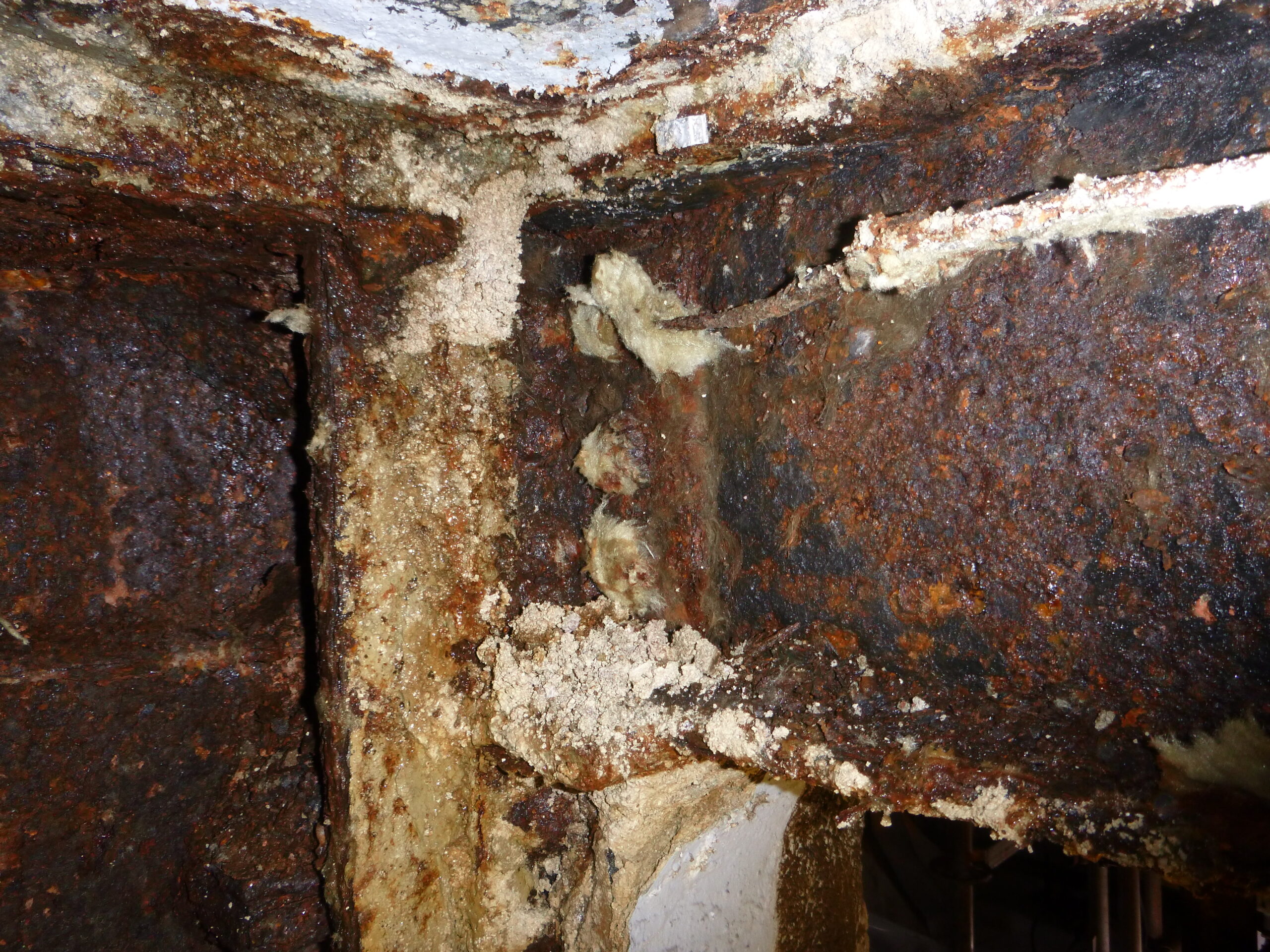
Corrosion under insulation (CUI) is a well understood mechanism in many high hazard industries. However, corrosion concealed beneath passive fire protection (PFP) remains one of the least visible and most underestimated structural risks in similar plants. It is a mechanism that progresses quietly, often for years, shielded from view by the very systems designed to protect the underlying steel in a fire scenario. When deterioration finally becomes visible, it is rarely early — and often already severe.
Beyond Maintenance: A Structural Risk Exposed
The recent Health and Safety Executive (HSE) prosecution following the partial collapse of a steel tower at Fawley Refinery is a sobering reminder of this reality. According to the HSE, corrosion had been identified on the tower as early as 2010, yet the underlying deterioration continued to develop until the structure failed, rupturing pipework and releasing approximately 2,400 kg of LPG over a 33‑hour period. Fortunately, nobody was injured, but the risk was significant, and the consequences could have been far more serious.
Events like this reinforce a truth that those of us working in structural integrity have long understood: corrosion under PFP is not a maintenance issue — it is a structural integrity issue. And when it is not managed proactively, the consequences are rarely minor.
Lessons from the Field
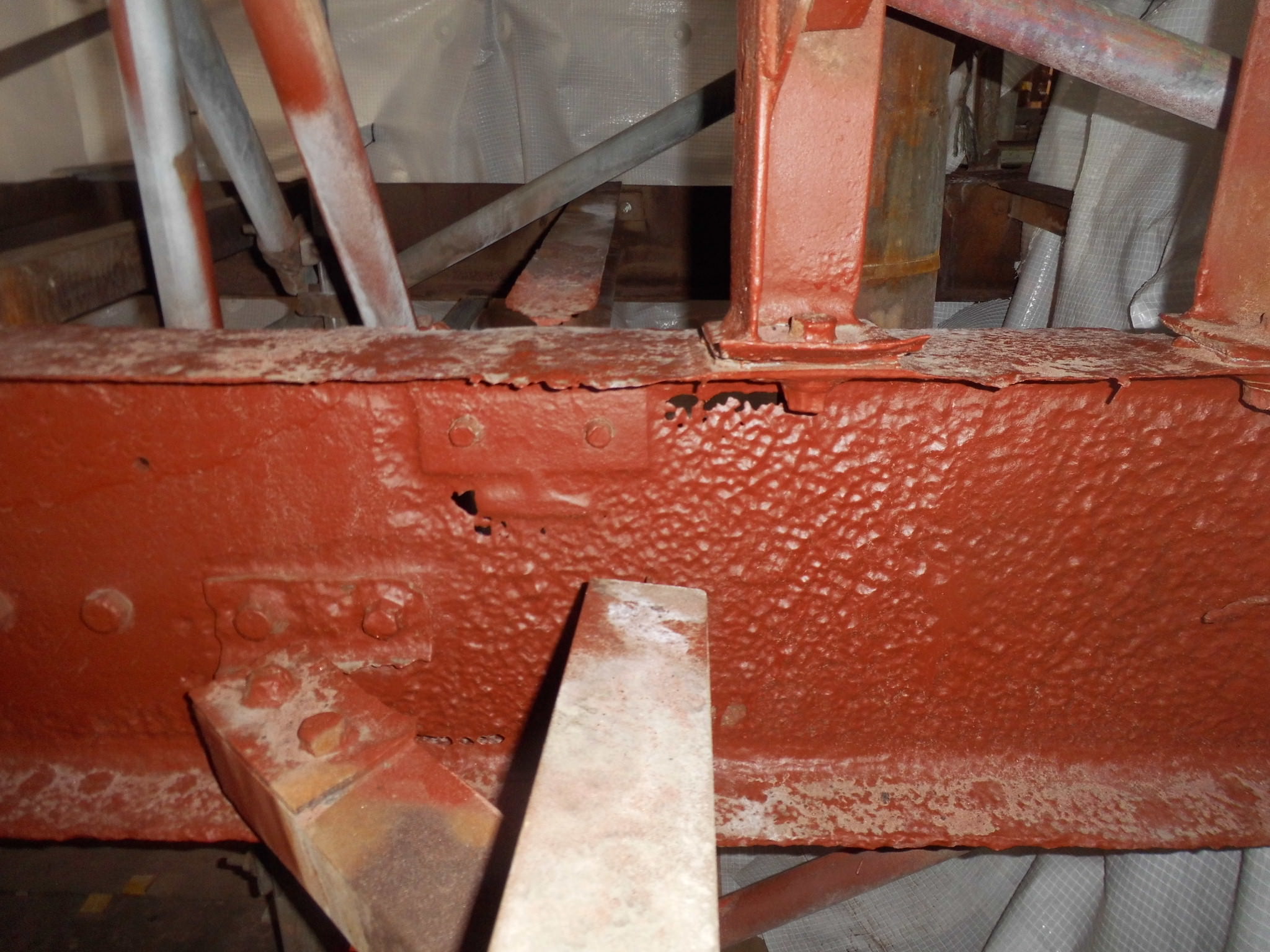
At Arthian, we have seen this failure mechanism up close on several projects. Most significantly was on a 2019 project where an 80‑year‑old process structure was found to have extensive deterioration hidden beneath its ageing fire protection system. Routine visual inspection alone would never have revealed the true condition of the steelwork beneath. It was only through intrusive investigation, triggered at the right moment, that the scale of the problem became clear. Working as key members of hugely collaborative, emergency delivery team our team helped to identify significantly deteriorated structural steelwork and substantial stability concerns.
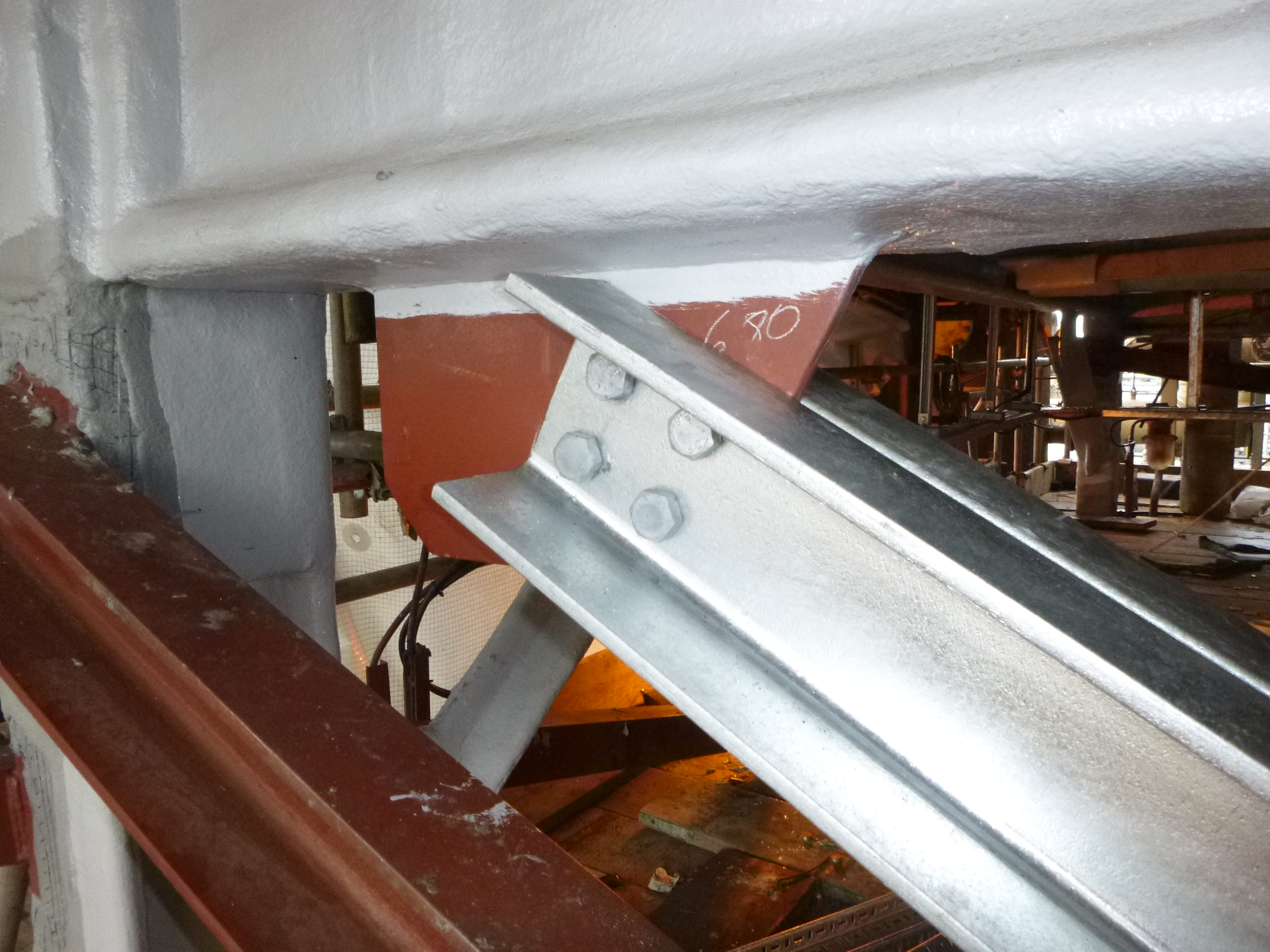
At its peak, the project required 22 engineers to be deployed, providing 24‑hour design, inspection, modelling, and supervision support during a turnaround (TAR). The structure had to be stabilised, mapped, analysed, and repaired while maintaining operational safety in a congested, multi‑discipline environment. Temporary works were essential to prevent progressive collapse. Laser scanning, intrusive inspection, and archive drawing reconciliation were required to understand the true load paths and the extent of deterioration. Every decision carried consequences for safety, programme, and production.
Rethinking Integrity for Extended Asset Life
This level of complexity is not unusual for ageing industrial assets. Many structures built in the mid‑20th century remain in service today, often with undocumented modifications, legacy materials, and fire protection systems that have long exceeded their intended lifespan. These assets were never designed to operate for 60, 70, or 80 years. Yet they remain essential to national infrastructure and industrial output.
The lesson from both that project and Fawley is not about blame. It is about recognising the realities of ageing assets and the need for a more mature, proactive approach to structural integrity. Managing these assets responsibly requires investment, intrusive inspection, and a willingness to confront uncomfortable truths about condition and risk. It requires acknowledging that corrosion under PFP cannot be fully understood through visual inspection alone. And it requires accepting that early intervention is almost always safer than waiting for deterioration to become visible.
The industry must reflect on these events, not simply react to them. Fawley demonstrated what happens when corrosion is allowed to progress unchecked and should inform how we approach asset integrity in the decades ahead.