The Challenge
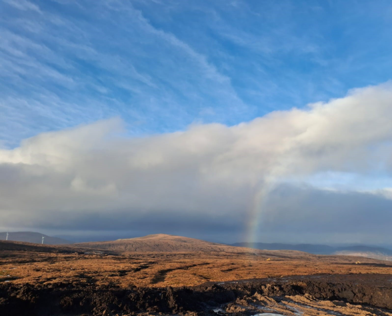
This project, undertaken on the Isle of Lewis, involved a programme of ground investigations within an area of highly sensitive peatland, necessitating careful ecological and environmental management from the outset. The site presented a number of constraints due to the presence of protected habitats and species, including nesting birds, otters, and slow worms. As a result, targeted surveys and appropriate mitigation measures were essential to ensure compliance with legislative requirements and to minimise ecological disturbance throughout the works.
Initial water management checks were undertaken prior to the commencement of works to ensure all recommended mitigation measures were in place. A site walkover by the Environmental Clerk of Works (EnCoW) was carried out to confirm that adequate protection was established before activities began and to establish an on‑site baseline for water quality. This early assessment ensured that construction proceeded with the necessary environmental controls already implemented.
In addition to species protection and water management, peatland management formed a key component of the project. Specific measures were implemented to minimise impacts on the sensitive peatland habitat. To support these requirements, an Ecological and Environmental Clerk of Works (ECoW/EnvCoW) provided weekly site inspections. The roles of both the ECoW and EnCoW were integral to ensuring ecological and environmental constraints were appropriately managed, regulatory and license conditions were upheld, and the project progressed in a responsible and sustainable manner.
The Solution
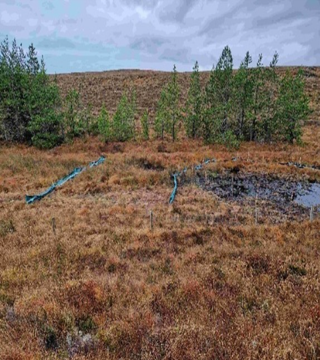
The collaborative role of EnCoW and ECoW during weekly site inspections assessed the suitability of the trial pit locations. Weekly site inspections were undertaken to assess the suitability of proposed trial pit locations, with recommendations made where adjustments were necessary to safeguard ecological and hydrological receptors. On several occasions, Arthian advised substituting trial pits with boreholes, as this approach was less intrusive for the peatland habitat and significantly reduced the risk of mobilising sediment.
Hydrological and ecological monitoring formed a core component of the site supervision. A tributary of the River Creed, a watercourse of ecological importance due to the presence of otter and fish, was regularly monitored during inspections for turbidity, changes in water levels, and evidence of otter activity. Any signs of otter presence were recorded and compiled into a daily diary, which was issued to the client to provide transparency and maintain an up-to-date and accurate ecological record.
Each proposed ground investigation location was carefully checked in advance to confirm that works were sufficiently distant from sensitive features, and that the necessary mitigation was in place before excavation or drilling commenced. This proactive approach ensured compliance with ecological and environmental best practice and reduced the potential for disturbance to sensitive receptors.
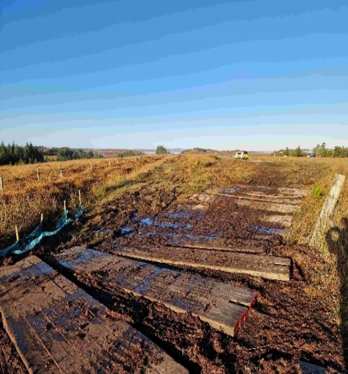
Mitigation measures were subject to routine inspection to confirm their effectiveness. For example, bog matting was checked to ensure it remained in good condition and functioned as intended to protect the integrity of the peatland surface during access and machinery movements. Through these combined measures, the EnCoW and ECoW provided ongoing assurance that the works progressed in a controlled, environmentally responsible, and legally compliant manner.
Our Latest Projects
Get in Touch
We’d love to hear from you – whether you have a question, a project in mind, want to explore job opportunities, or just want to say hello.