The Challenge
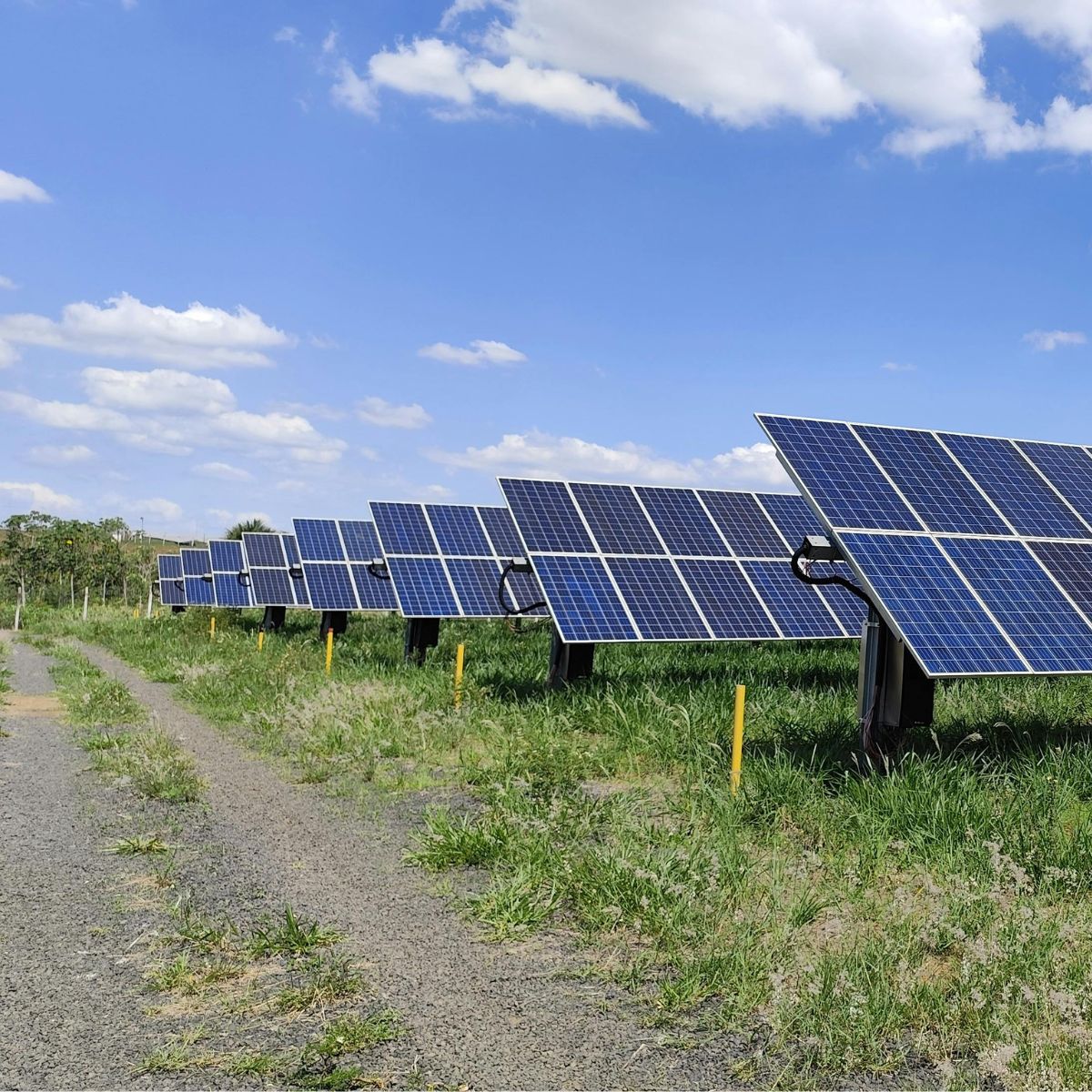
The client are developing a solar farm development in Seaham, Durham. This site is split into 2 sections which are separated by a railway converted to a national cycle route (NCN1) and a dual carriageway. These two sections are to be connected by an underground cable, which Arthian were contracted to provide several route options and recommendations to allow Elements Green to employ the most appropriate option to connect these two sites.
Installing a new underground cable within this area posed some unique obstacles and challenges that had to be considered and overcome for the safe installation and operation of the solar farm.
These included existing buried services in the dual carriageway and verges including high and low voltage electrical cables, abandoned cables, BT and Virgin Media telecommunication cables, a water pipeline and a Northern Gas HP Gas Main.
Another hurdle included the NCN1 cycle path passing over an old railway bridge, both of which are overseen by ‘Railway Paths’ on behalf of Network Rail. To provide future resilience, projects on Railway Paths land may need to be treated as though they may be reverted to railway use in the future, therefore Network Rail standards apply.
Several environmental constraints were also identified such as Ancient Woodland, Forestry habitats, protected watercourses and nature conservation and habitat protection areas.
The final factor under consideration is the effect of noise and dust on the local community, the diversion of sustainable transport routes and delays due to roadworks. The public perception of the project was a key parameter in decision-making.
The Solution
Arthian prepared a Cable Route Methodology Report outlining the brief and proposing 3 separate route options. This was to support the planning application for the solar farm. Each route option included a review of all constraints, how these interacted with the proposed routes and the specific challenges each route would face. Arthian analysed the findings and made recommendations on the feasibility of each route option.
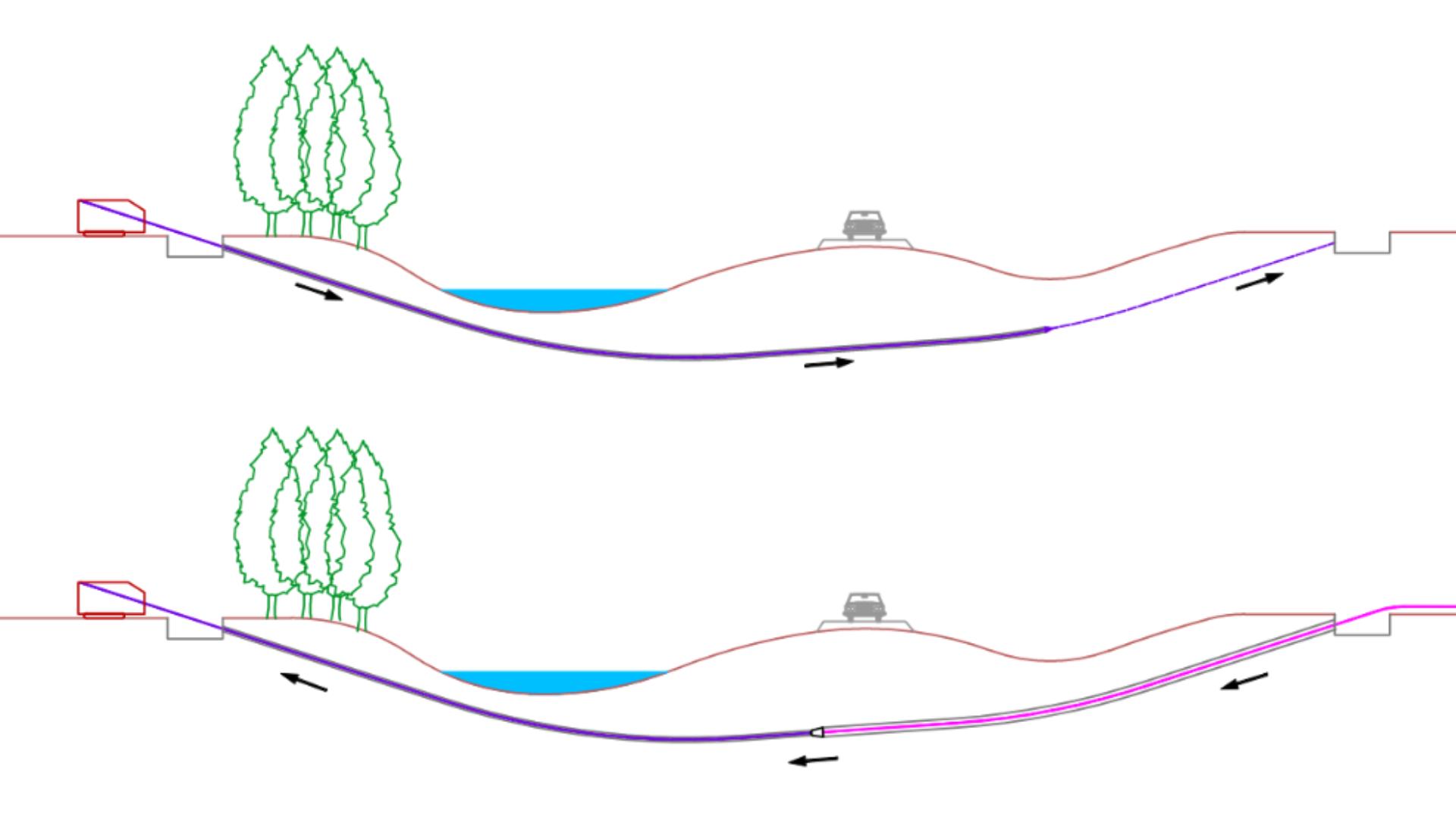
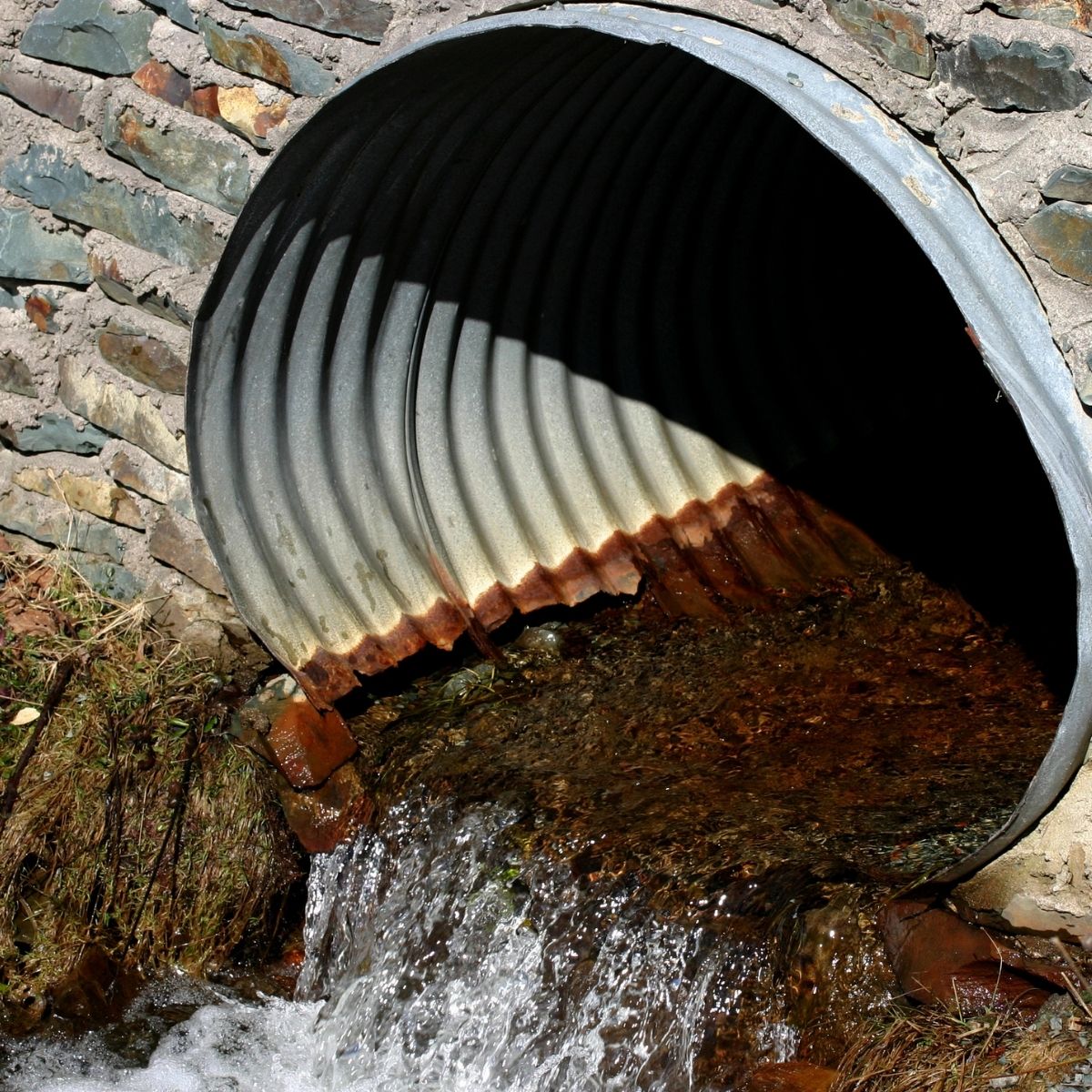
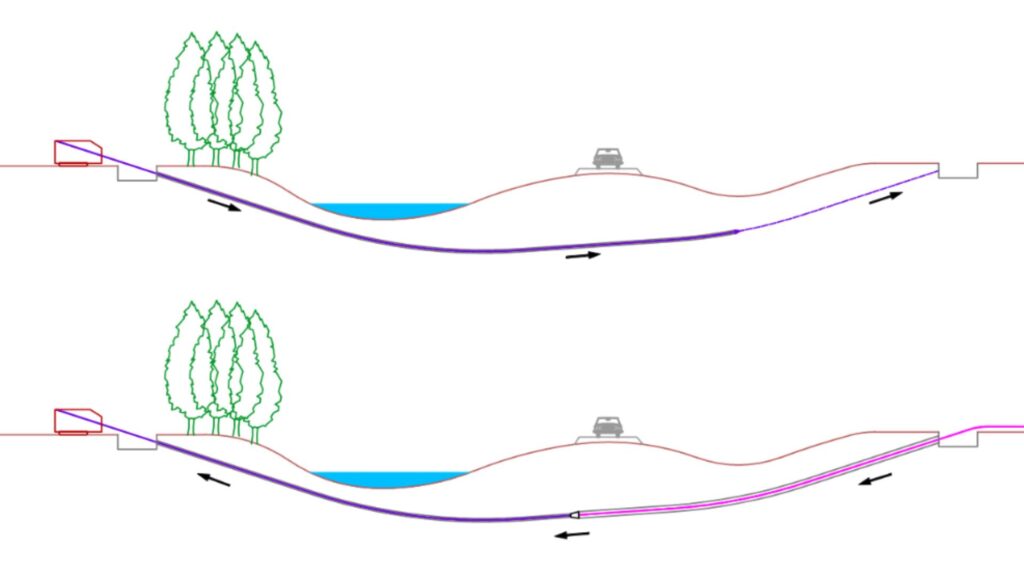
The first option utilised Horizontal Directional Drilling (HDD). The HDD would start within the western solar array and travel through a duct beneath the ancient woodland, a watercourse, the NCN1 and the dual carriageway, to emerge at the reception pit before travelling along a farm track and over a culverted watercourse to enter the eastern site. This option involved a geotechnical assessment reviewing existing information on ground conditions, any geological constraints and defining the required ground investigation and estimated settlement after drilling. The HDD works would require minimum depths below the gas main, water main and HV cables, and require vibration monitoring to ensure these utilities are not affected.
The second option involved trenching along the NCN1 cycle path, crossing the old railway bridge, and following existing access tracks, with a total length of around 800 m. It would cross a culverted watercourse and require closure and diversion of the national cycle route, causing disruption. As the cycle path has been recently refurbished and the railway bridge is of a significant age, a high standard of reinstatement and total transparency with Network Rail would be necessary for this route.
The third option involved travelling along the NCN1, and the remainder of the route would be installed in the verge of several public highways and trunk roads through residential and industrial areas. This option was initially discarded as it would result in significant disruption to residential areas, involve major road works and was by far the longest cable route. This option was considered as it could minimise the effect on sustainable transport routes, and would be the simplest construction method as the entire route could be installed by open trenching with straightforward access and have a minimal effect on ecological constraints.
Arthian presented the feasibility of each option, and the influential factors that would affect the client’s route selection for progression to planning stage. Arthian also included recommended on any further investigation including ground investigations, site investigation, topographical survey and culvert condition assessment as well as any environmental impact assessment works which may be required to ensure the client have all available information for the cable route option they select. Early engagement with utility and infrastructure operators as well as further engagement with HDD contractors was recommended to develop a site-specific designs and specifications to provide certainty on feasibility.
Our Latest Projects
Get in Touch
We’d love to hear from you – whether you have a question, a project in mind, want to explore job opportunities, or just want to say hello.