Business Energy Efficiency Audits for SMEs: The Benefits
3rd September 2026

Rising energy costs, increasing sustainability expectations and growing pressure to improve operational efficiency mean that energy management is now a business priority for many SMEs. While energy reduction initiatives are often associated with large organisations, small and medium-sized businesses can achieve significant benefits through a structured energy efficiency audit.
An energy efficiency audit provides a comprehensive assessment of how energy is being used across a business. By identifying where energy is being consumed, wasted or used inefficiently, businesses gain a clear understanding of the opportunities available to reduce costs, improve performance and support their wider sustainability objectives.
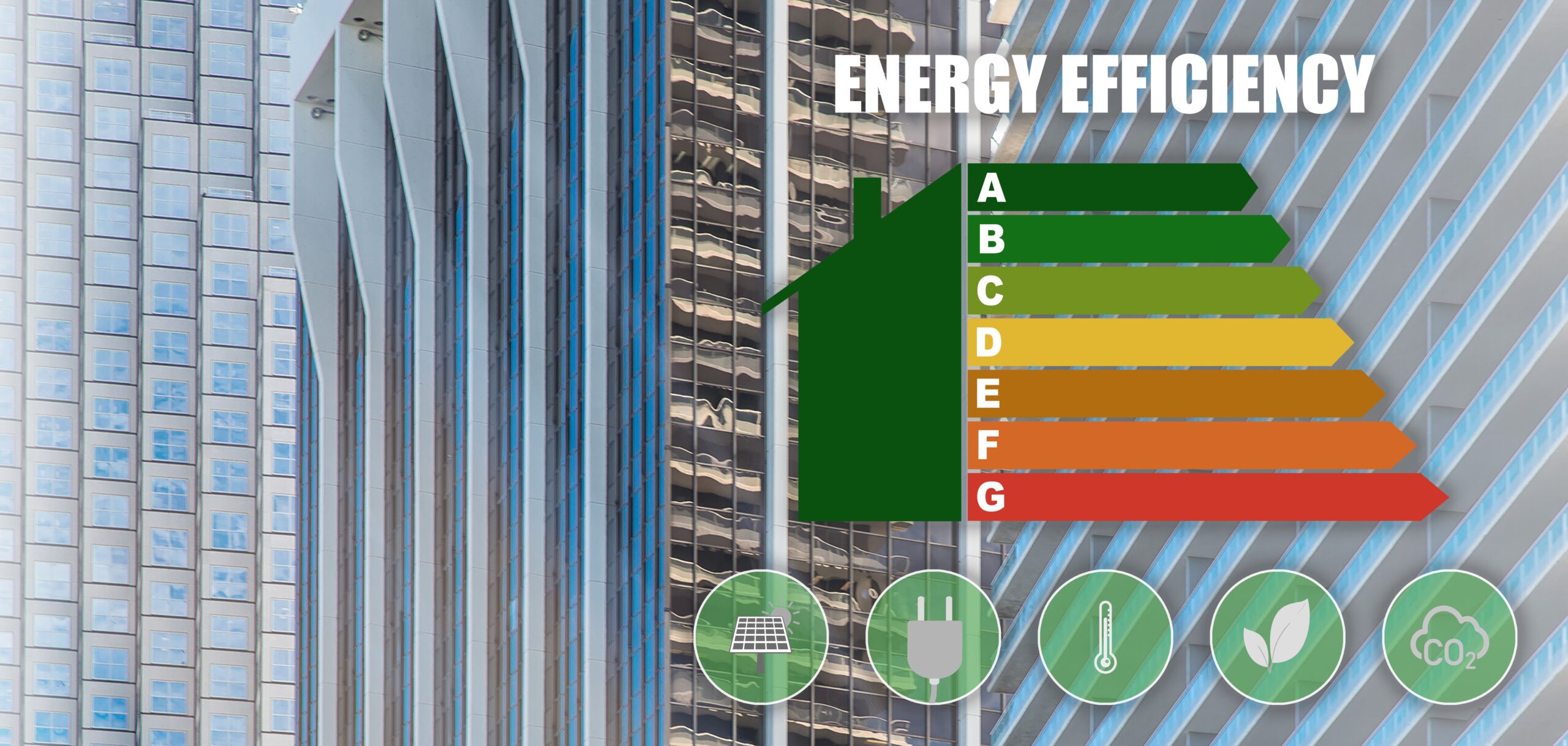
Reduce Energy Costs and Improve Profitability
One of the most immediate benefits of an energy efficiency audit is the potential to reduce utility bills. Many businesses are unaware of how much energy is being lost through inefficient equipment, poor building performance, unnecessary operational practices or outdated systems.
An audit identifies practical opportunities to lower consumption, which may include improvements to lighting, heating, ventilation, insulation, equipment performance or building controls. Even relatively small changes can generate significant savings over time, helping businesses improve profitability without compromising productivity or growth.

Support Net Zero and Sustainability Goals
Customers, investors and supply chain partners are increasingly expecting businesses to demonstrate environmental responsibility. For SMEs looking to develop a sustainability strategy, an energy efficiency audit is often the first step.
By understanding current energy use and associated emissions, organisations can establish a baseline from which to measure progress. This makes it easier to set realistic carbon reduction targets, identify priority actions and build a roadmap towards net zero ambitions. It also provides valuable evidence to support sustainability reporting, framework applications and client requirements.
Improve Operational Performance
Energy efficiency is not just about reducing costs. It can also contribute to wider operational improvements.
Many audit recommendations focus on optimising building systems, improving equipment performance and reducing unnecessary energy demand. These measures often lead to more comfortable working environments, improved reliability of assets and reduced maintenance requirements. In turn, businesses can benefit from improved productivity, enhanced employee wellbeing and fewer operational disruptions.
Future-Proof Against Rising Costs and Regulation
Energy markets remain volatile, making long-term cost planning increasingly challenging for SMEs. Reducing overall energy demand helps businesses become less exposed to future price increases and improves resilience against market fluctuations.
At the same time, environmental regulations and sustainability reporting expectations continue to evolve. Businesses that understand their energy performance today are better positioned to adapt to future requirements and respond to changing customer demands.
A Multidisciplinary Approach Will Be Key
An energy efficiency audit provides much more than a snapshot of energy consumption. It delivers a practical action plan that helps businesses prioritise investment, target areas of greatest impact and achieve measurable results.
For SMEs, the combination of reduced operating costs, improved environmental performance and enhanced resilience makes energy efficiency one of the most accessible and cost-effective investments available. Whether your goal is to lower bills, support net zero commitments or strengthen long-term competitiveness, an energy efficiency audit can provide the insight needed to make informed decisions and unlock lasting value.
Looking to improve energy performance across your business? Our specialists can help you identify opportunities, prioritise actions and develop a clear pathway towards greater efficiency, lower costs and reduced carbon emissions.