Phase 1 Desk Study
Planning‑ready contaminated‑land assessment aligned with LCRM and the updated EA PCRA requirements.
Who we work with
Arthian’s contaminated‑land team supports organisations involved in planning, development and commercial property. Our Phase 1 Desk Studies are commissioned by architects, planning consultants, developers, contractors, commercial property owners, legal and conveyancing teams, and local authorities who need early clarity on contamination risk, planning requirements and programme implications.
For tailored guidance on how contaminated‑land risk affects different project types, explore our audience pages: Architects · Contractors · Solicitors · Local Authorities

Contaminated Land Phase 1 Desk Study
A Phase 1 Desk Study provides an early‑stage understanding of potential contamination risks on a site. It is the first step in the contaminated‑land assessment process and is often required to support planning applications, brownfield redevelopment, commercial due diligence and regulator engagement.
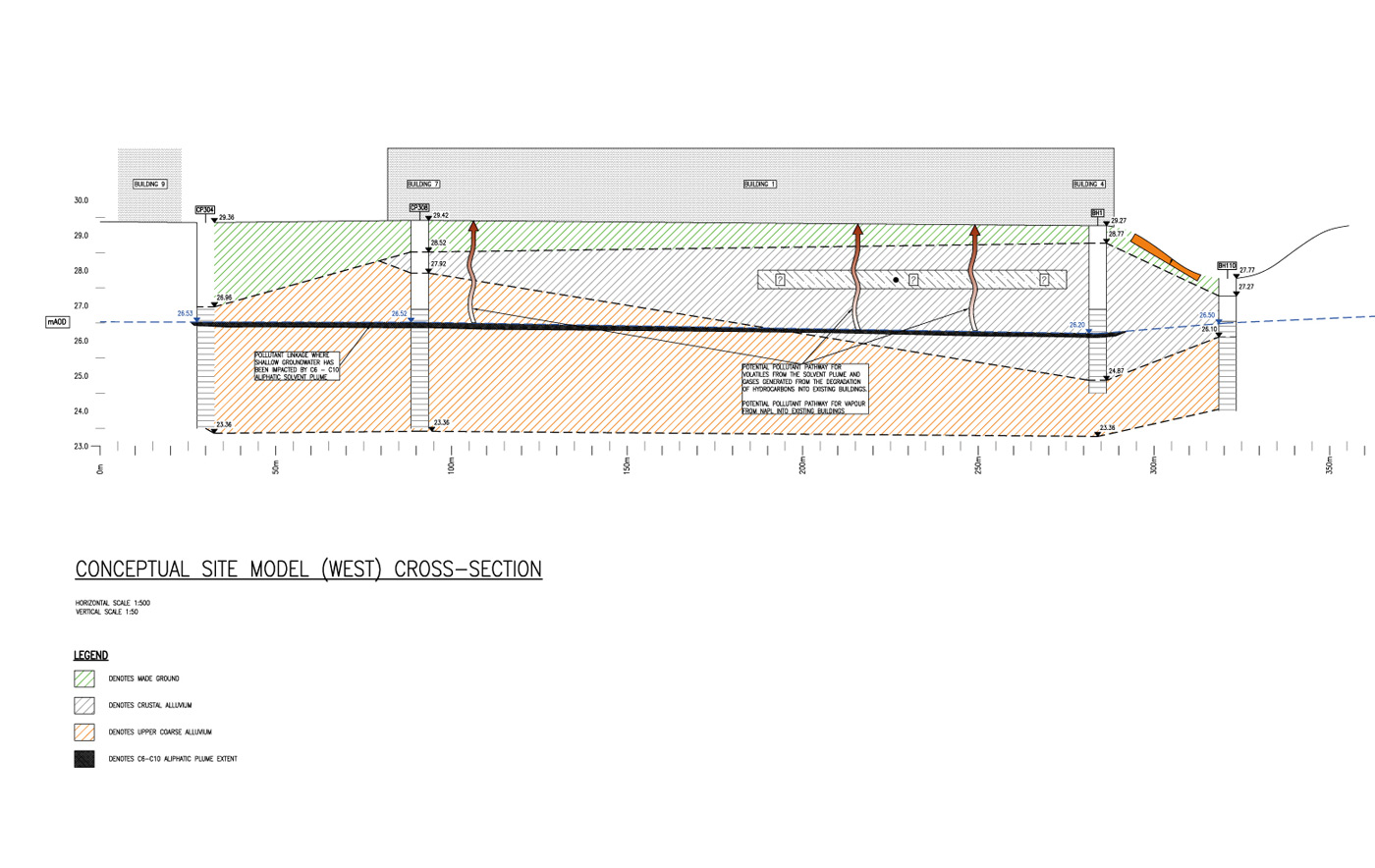
Our Phase 1 Desk Studies follow the Land Contamination Risk Management (LCRM) framework and incorporate the Environment Agency’s updated approach to Preliminary Conceptual Risk Assessment (PCRA). This includes explicit identification of plausible pollutant linkages (PPLs), transparent screening decisions, and a clear conceptual site model that evolves as new evidence emerges.
The output is a planning‑ready report that identifies contamination sources, pathways and receptors — and sets out whether further investigation (Phase 2) is required.
What a Phase 1 Desk Study Includes
A complete Phase 1 Desk Study typically contains:
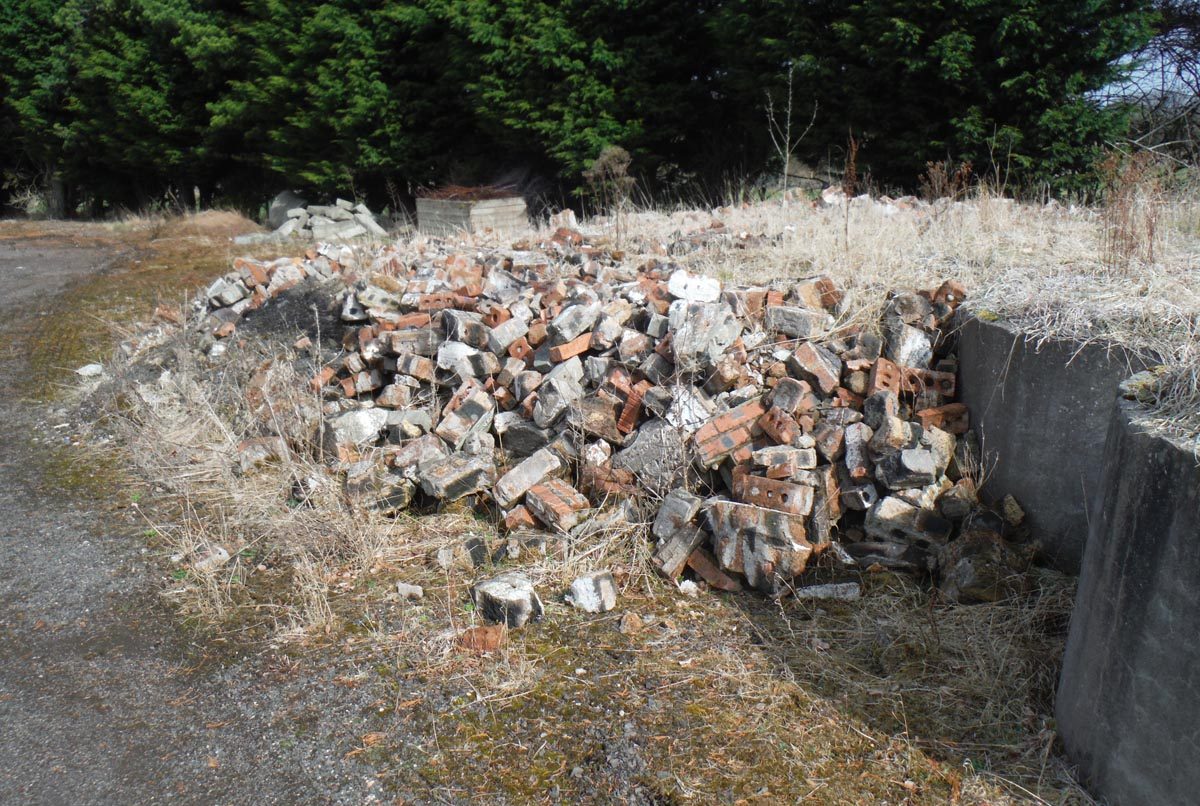
- Historical land‑use review Mapping, archives and aerial imagery to identify past industrial, commercial or agricultural activities.
- Environmental data review Regulatory datasets, geological mapping, hydrology, groundwater vulnerability and environmental constraints.
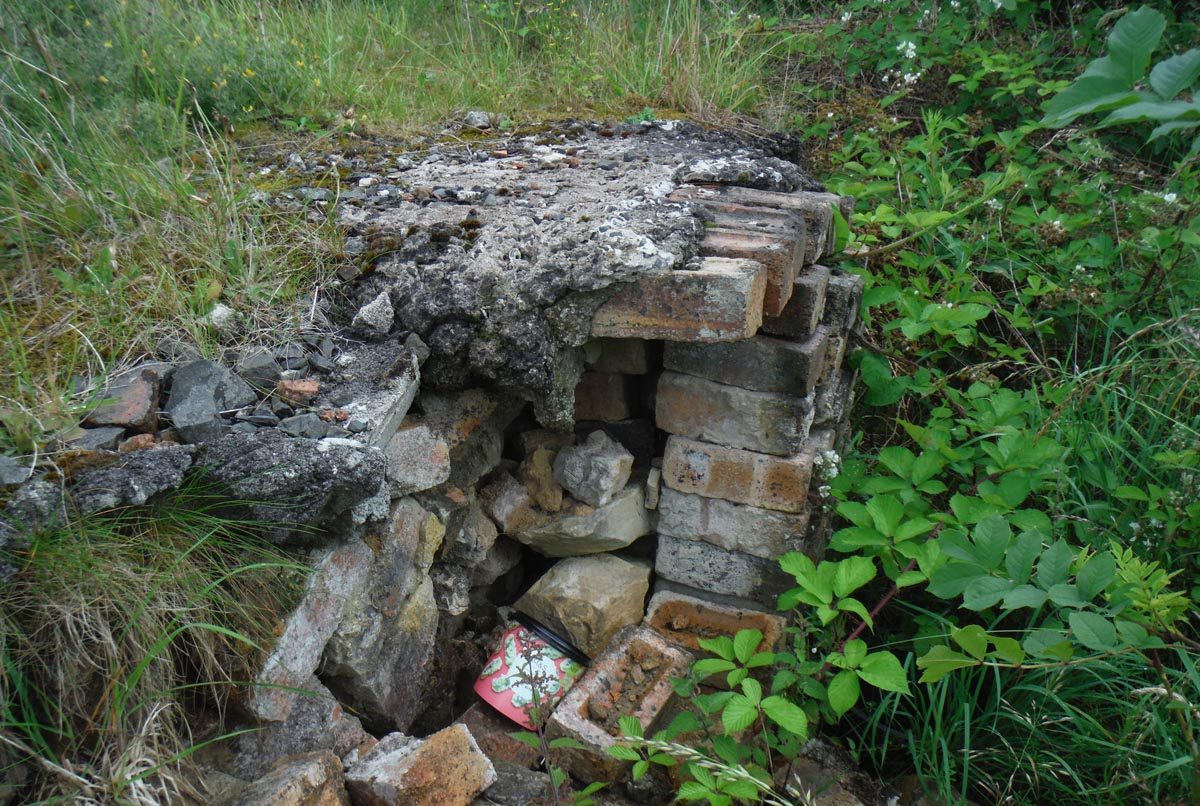
- Site walkover Visual inspection to identify potential contamination sources, ground conditions and access constraints.
- Preliminary Conceptual Risk Assessment (PCRA) Our PCRA follows updated LCRM guidance, providing a structured evaluation of plausible pollutant linkages (PPLs), source–pathway–receptor relationships and associated uncertainties. Each linkage is screened in or out with clear justification, forming the basis for proportionate Phase 2 investigation.
- Conceptual Site Model (CSM) A “living” model that evolves as new evidence emerges through investigation and remediation.
- Preliminary Risk Assessment (PRA) Professional judgement on contamination likelihood and potential impact.
- Recommendations Whether Phase 2 investigation is required — and if so, what scope is appropriate and how it relates back to the PCRA.
When a Phase 1 Is Required
You will typically need a Phase 1 Desk Study when:
- Submitting a planning application
- Redeveloping brownfield land
- Converting or extending existing buildings
- Purchasing or disposing of commercial property
- Responding to contaminated‑land planning conditions
- Preparing for Phase 2 investigation
Our Approach
Arthian’s Phase 1 Desk Studies are designed to be:
- Planning‑ready Structured to meet local authority requirements.
- Regulator‑aligned Fully compliant with LCRM and the updated EA PCRA methodology.
- Commercially focused Clear on cost, programme and viability implications.
- Multidisciplinary Integrated with ecology, heritage, engineering and sustainability where relevant.
- Evidence‑based The Conceptual Site Model (CSM) is treated as a living document, updated as new lines of evidence emerge through Phase 2 investigation and remediation.
What Happens Next
Any recommendation for Phase 2 investigation is directly tied to the PCRA, ensuring intrusive works are proportionate, targeted and regulator‑aligned.
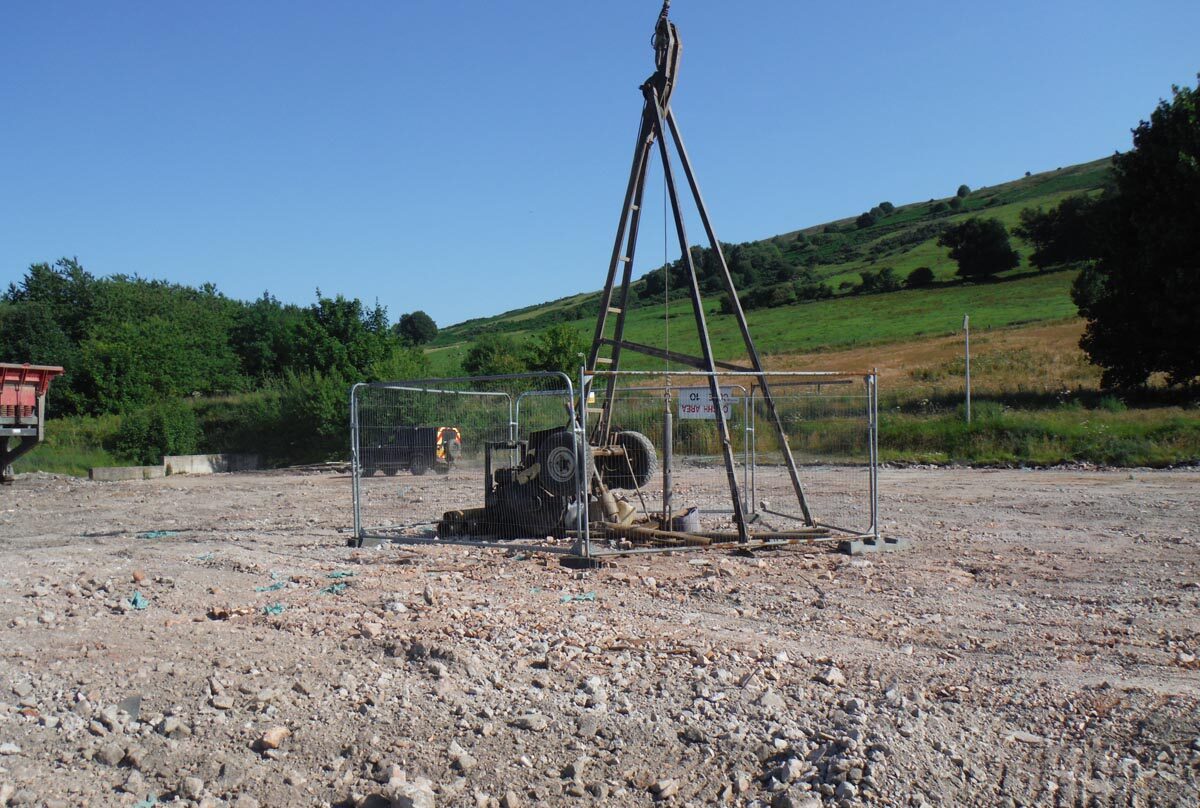
If the Phase 1 identifies potential contamination risks, we will recommend a targeted Phase 2 Site Investigation:
If no significant risks are identified, the Phase 1 may be sufficient to discharge planning conditions or satisfy due‑diligence requirements.
Regulator Alignment
Our work follows the current Land Contamination Risk Management (LCRM) framework, which superseded CLR11. Many planning authorities still reference CLR11 in legacy conditions, and our reporting remains fully compliant with regulator expectations where this terminology appears.
Get in Touch
We’d love to hear from you – whether you have a question, a project in mind, want to explore job opportunities, or just want to say hello.