The changing soundscape of offices and how this affects acoustic design
16th July 2026
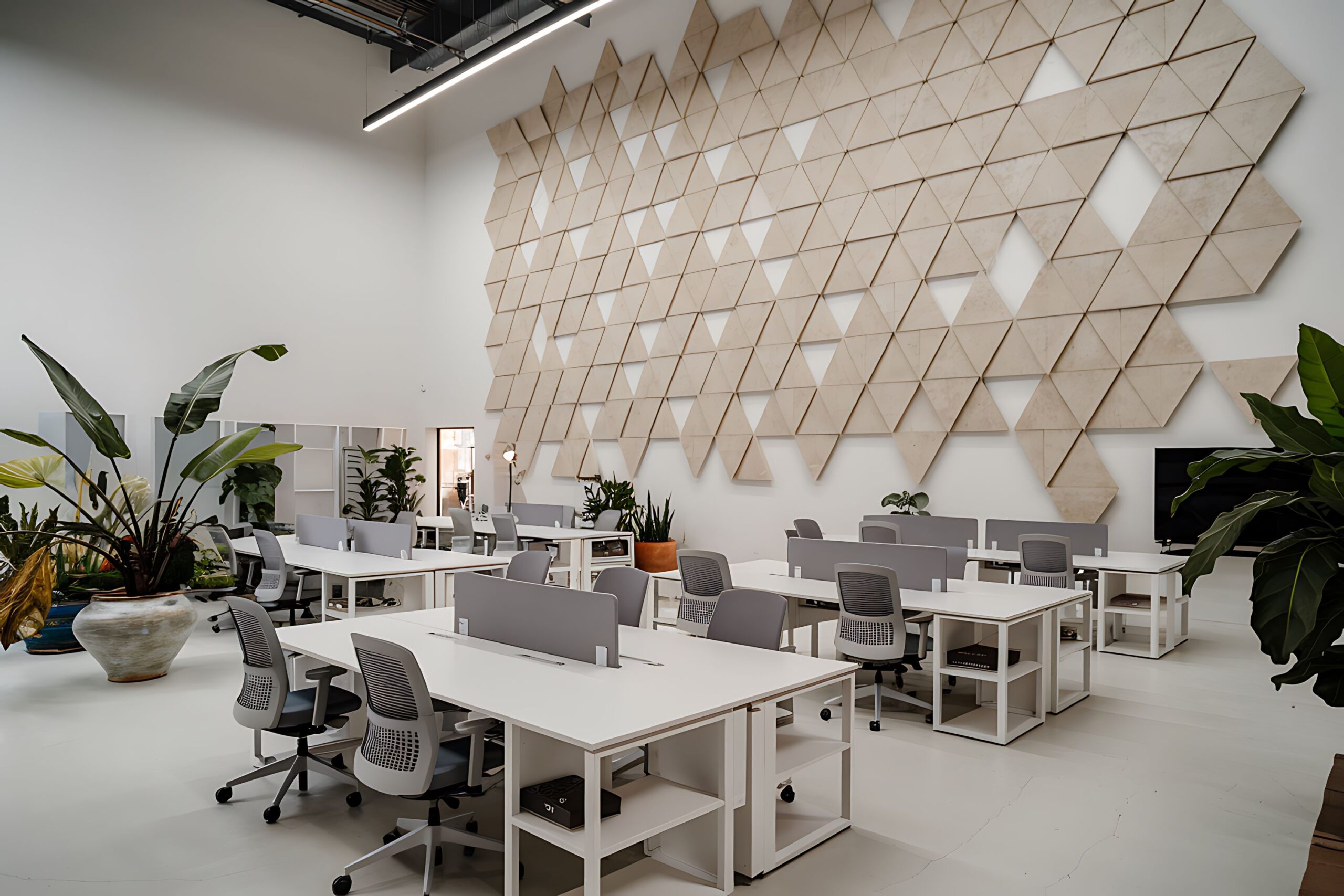
For many years, the open-plan office was treated as the default model for modern workplace design. It promised collaboration, flexibility and efficient use of floor space. Desks were arranged in large, open plan areas, meeting rooms were reserved for formal discussions.
That model is now changing. Hybrid working and online meetings have altered what people need from the office and have reshaped the office soundscape. A workplace is no longer simply a place to sit at a desk; it must support focused work, confidential conversations, client calls, video meetings and informal collaboration, often at the same time.
From shared space to competing office soundscapes
In a traditional open-plan office, the main acoustic challenge was usually speech noise and speech intelligibility across shared areas. The soundscape was broadly predictable: conversations between colleagues, telephones ringing and occasional in-person meetings taking place nearby. These sounds could often be managed through absorptive finishes, desk screening, zoning and appropriate background noise levels.
Today’s office introduces a more complex acoustic picture. Staff may be joining video calls from desks, listening through headphones, speaking into headsets, participating in hybrid meetings or moving between quiet work and online collaboration throughout the day. This creates a more fragmented soundscape, with a greater number of point sources of speech and often raised voices as people compensate for headset sidetone, poor microphone quality or background noise around them.
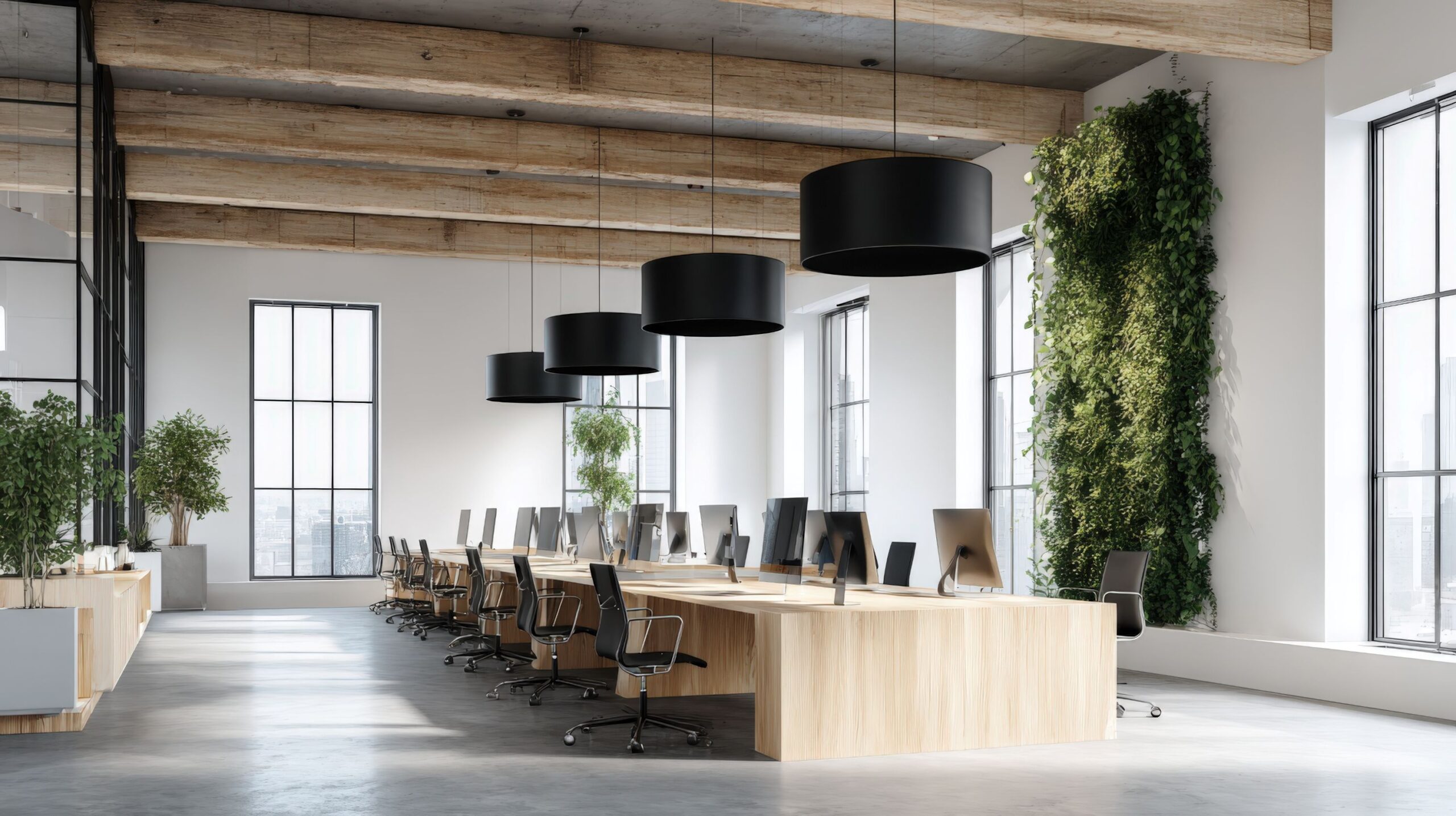
Why open-plan spaces are under pressure
The increase in video meetings has exposed the limitations of a purely open layout. A person on a call needs to hear clearly, be heard clearly, and avoid disturbing those nearby. At the same time, colleagues working in the same area may need concentration or speech privacy. Without suitable spaces, staff often default to behaviours that show the workplace is not supporting them properly: taking calls from stairwells, occupying large meeting rooms for one-person calls, wearing headphones all day, or choosing to work from home because it is quieter.
This does not mean the open-plan office has failed. It means it now needs to adapt to new demands and to a more varied office soundscape. Collaboration remains important, but it must be balanced with places for focus, privacy and controlled communication. The most effective workplaces are increasingly activity-based: open areas for teamwork, quieter zones for concentration, enclosed rooms for meetings, and small acoustic booths or pods for calls and short periods of focused work.
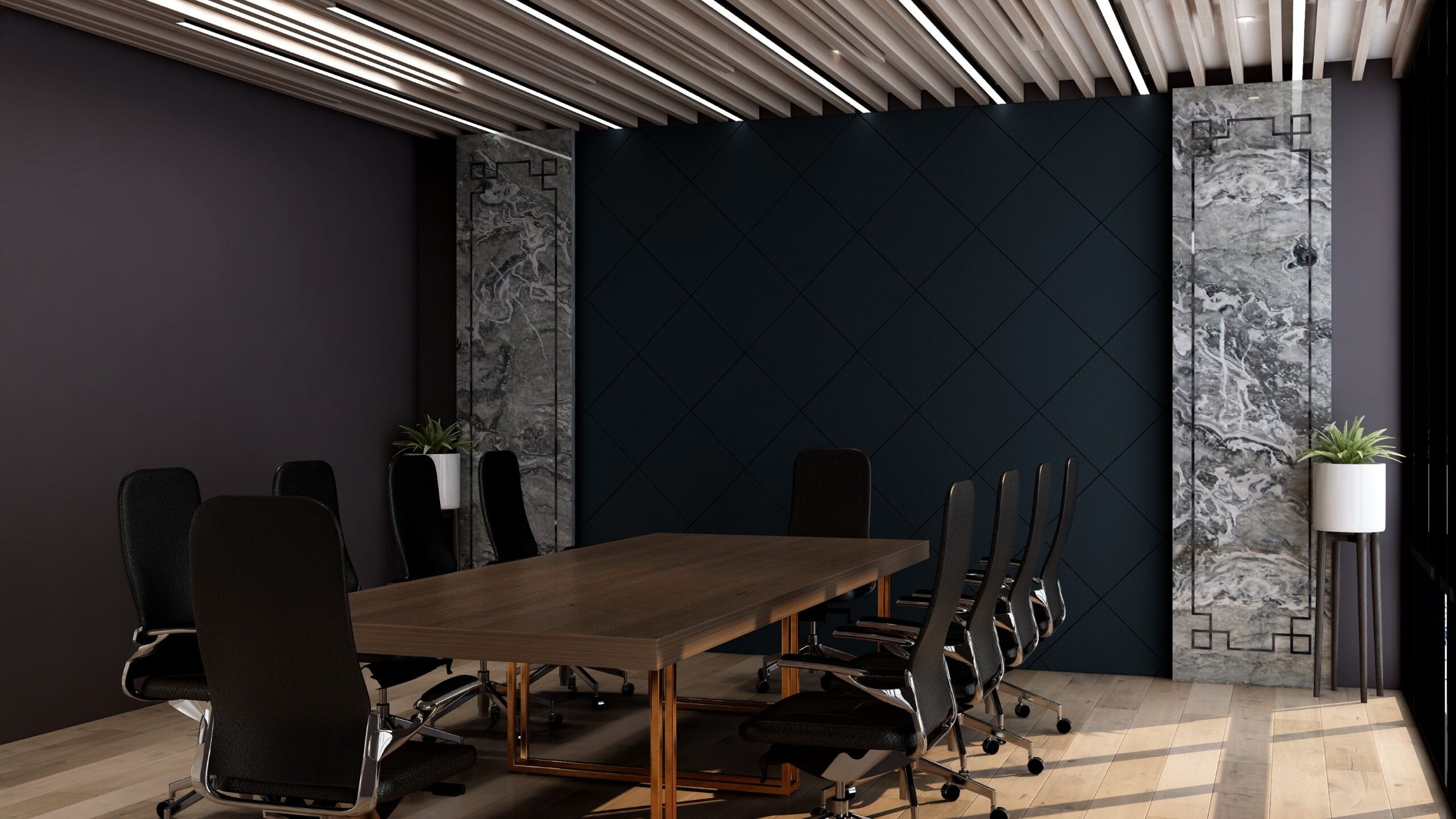
The rise of booths, pods and headset culture
Private booths and acoustic pods have become a visible response to this shift. Their role is not simply to add novelty furniture to the office; they provide a practical acoustic buffer within an otherwise shared environment. For short calls, video meetings, confidential discussions or concentrated tasks, a well-designed booth can reduce disturbance to surrounding desks while also giving the user a more controlled environment.
Headsets also play an important role, particularly where people join calls from open areas. Good-quality headsets can improve speech intelligibility for remote participants and reduce the need for speaking louder. However, headsets alone are not a complete acoustic solution. They do not prevent the user’s speech from becoming part of the wider office soundscape, nor do they provide confidentiality. For that reason, headset policies should be considered alongside spatial planning, room provision and acoustic treatment.
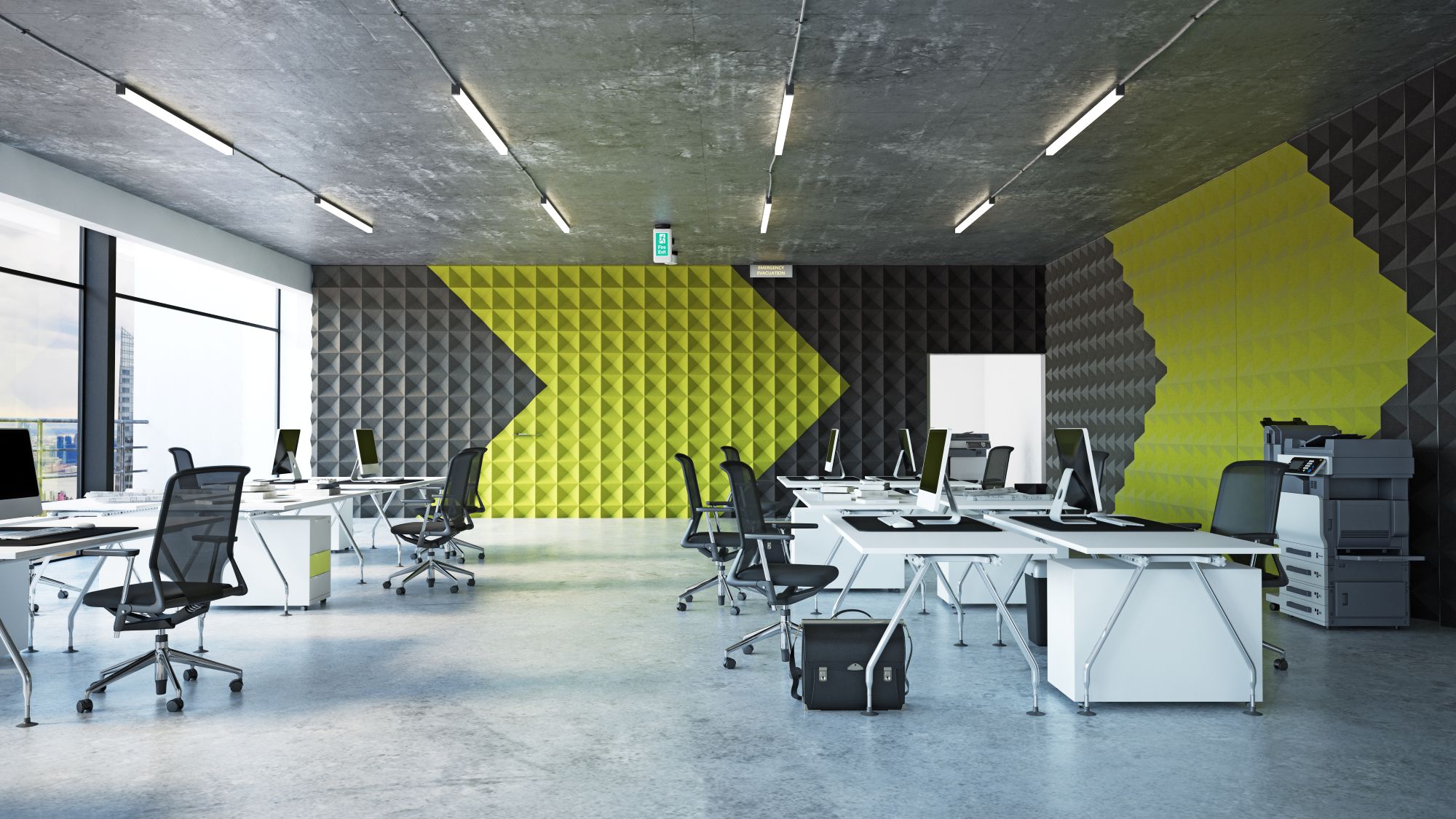
Acoustic criteria need to reflect modern office soundscapes
As office behaviours change, acoustic design criteria need to be reviewed early in a project rather than treated as a finishing detail. The question is no longer simply whether an open-plan floor has enough absorption. Designers and employers need to ask what type of soundscape they are trying to create, how many simultaneous calls the space must support, where confidential conversations will take place, whether meeting rooms are being used efficiently, and how speech privacy will be achieved between adjacent activities.
Key considerations include reverberation control, background noise levels, sound insulation, mechanical services noise. It is also important to consider usability: booths that are uncomfortable, poorly ventilated or positioned too far from work areas may not be used as intended, which can undermine the acoustic strategy.
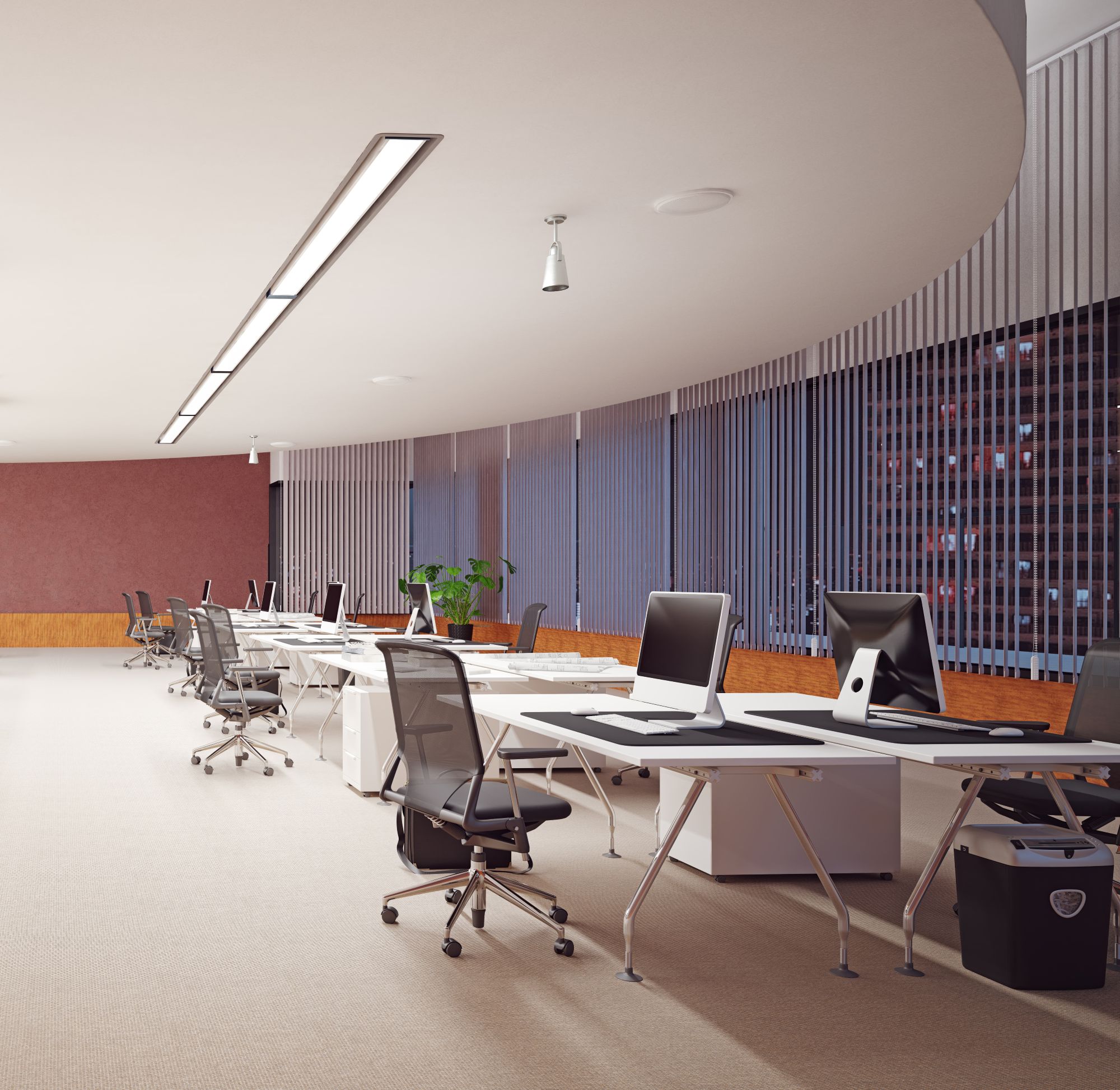
Designing offices for choice and control
The most successful workplace acoustic strategies provide choice and control. People should be able to select the right setting for the task: an open desk for informal collaboration, a quiet area for focused work, a booth for a call, or a meeting room for group discussion. This approach helps create a more balanced office soundscape, reduces conflict between different activities and helps the workplace remain attractive, inclusive and productive.
For developers, landlords and employers, this also has commercial value. Offices that respond to modern working patterns are more likely to support occupancy, wellbeing and performance. Acoustic comfort is therefore not just a technical issue; it is part of the wider workplace experience.
How Arthian can help
Arthian’s acoustic consultants can help clients understand how their offices are actually used and translate those behaviours into practical acoustic requirements. This may include reviewing existing workplace soundscapes, advising on refurbishment layouts, assessing meeting room and booth performance, setting acoustic criteria for new developments, and supporting design teams with proportionate, evidence-based recommendations.
As the role of the office continues to evolve, acoustic design needs to evolve with it. Open-plan areas still have a place, but they must be supported by the right mix of enclosed, semi-enclosed and acoustically treated spaces. By designing for the way people work now, offices can become more flexible, more comfortable and better suited to the demands of modern communication.