Context
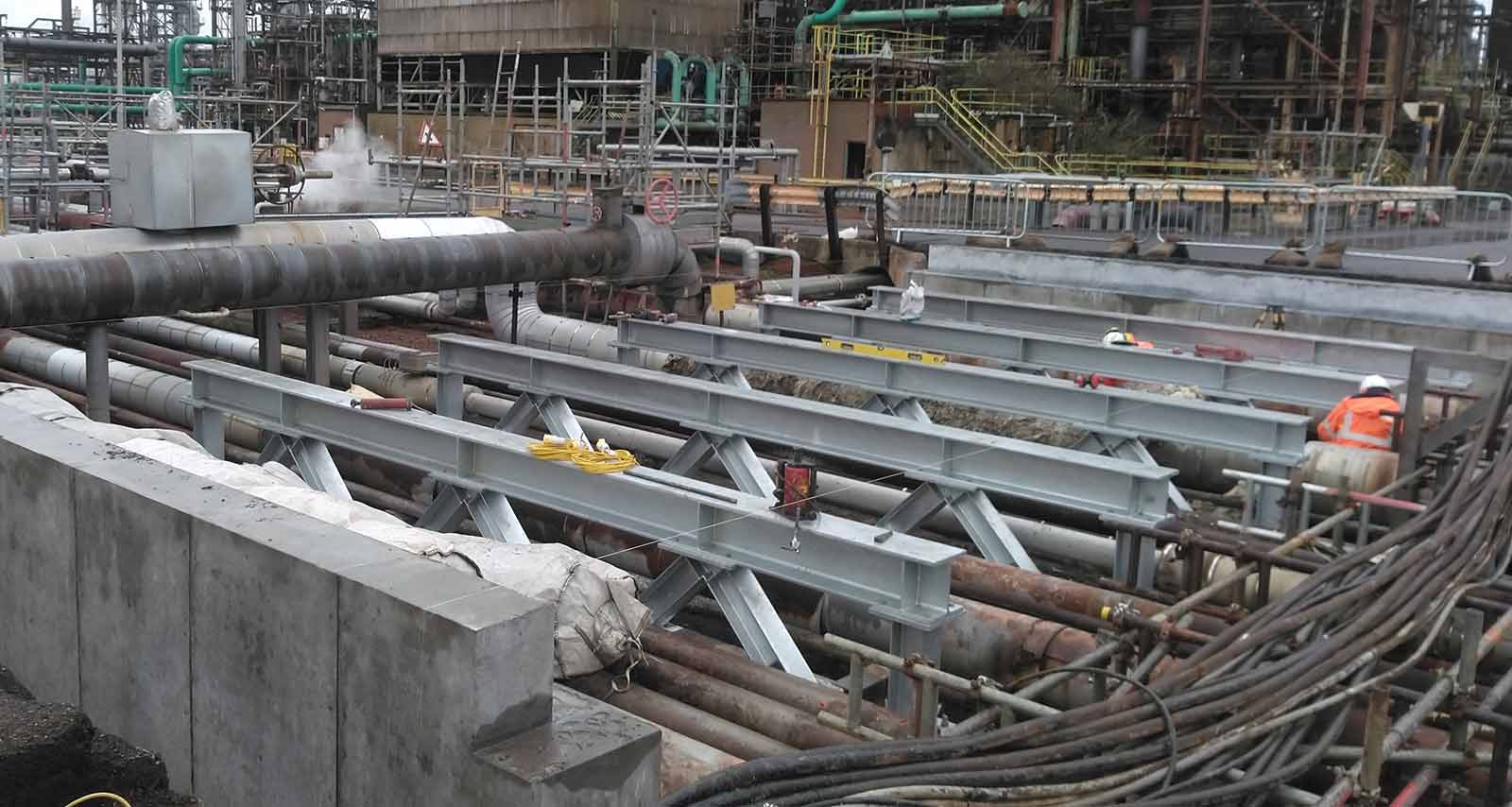
A major UK COMAH installation engaged a full‑site bridge inspection programme across its 160‑hectare footprint to understand the condition, risks, and long‑term viability of its ageing structures. Many bridges were approaching 80 years in service, and the client needed a clear, risk‑based strategy to maintain operational continuity while avoiding unnecessary capital spend.
The inspection confirmed that most structures remained serviceable, but a meaningful proportion required restrictions or removal from service. Two bridge types dominated the failure profile, highlighting systemic issues that needed a strategic, site‑wide response.
The Challenge
The inspection identified two recurring structural themes:
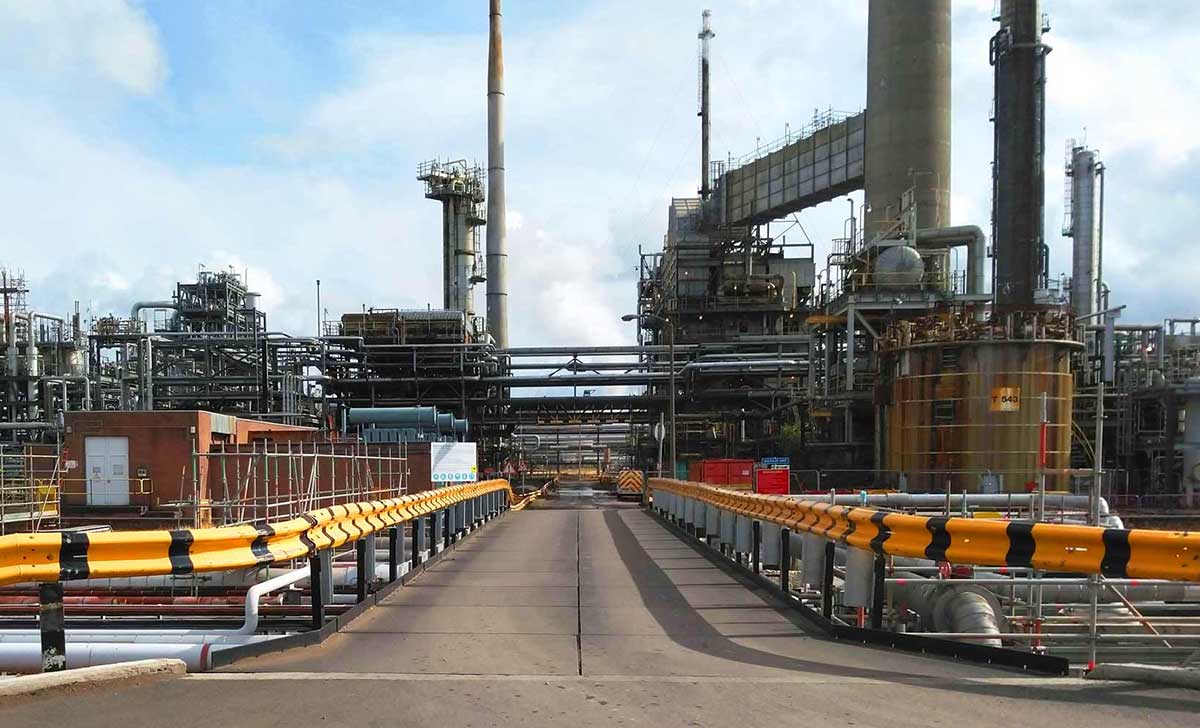
- Precast Concrete C‑Section Bridges
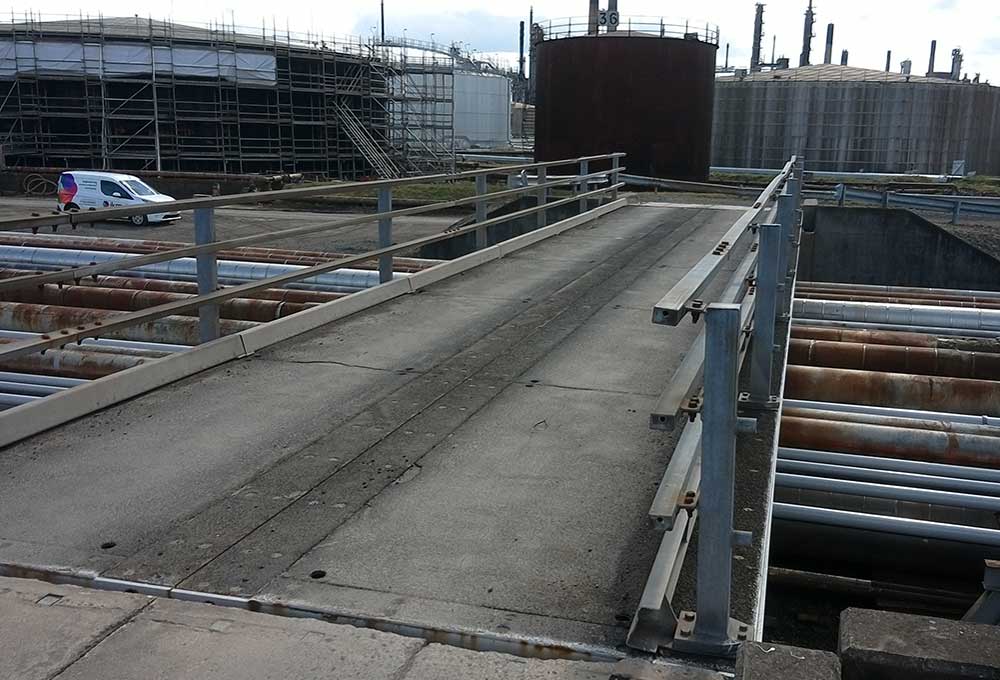
- Larssen Sheet Pile Bridges with Concrete Decks
Across both types, deterioration was being driven by two primary mechanisms:
- Water penetrating through bridge decks
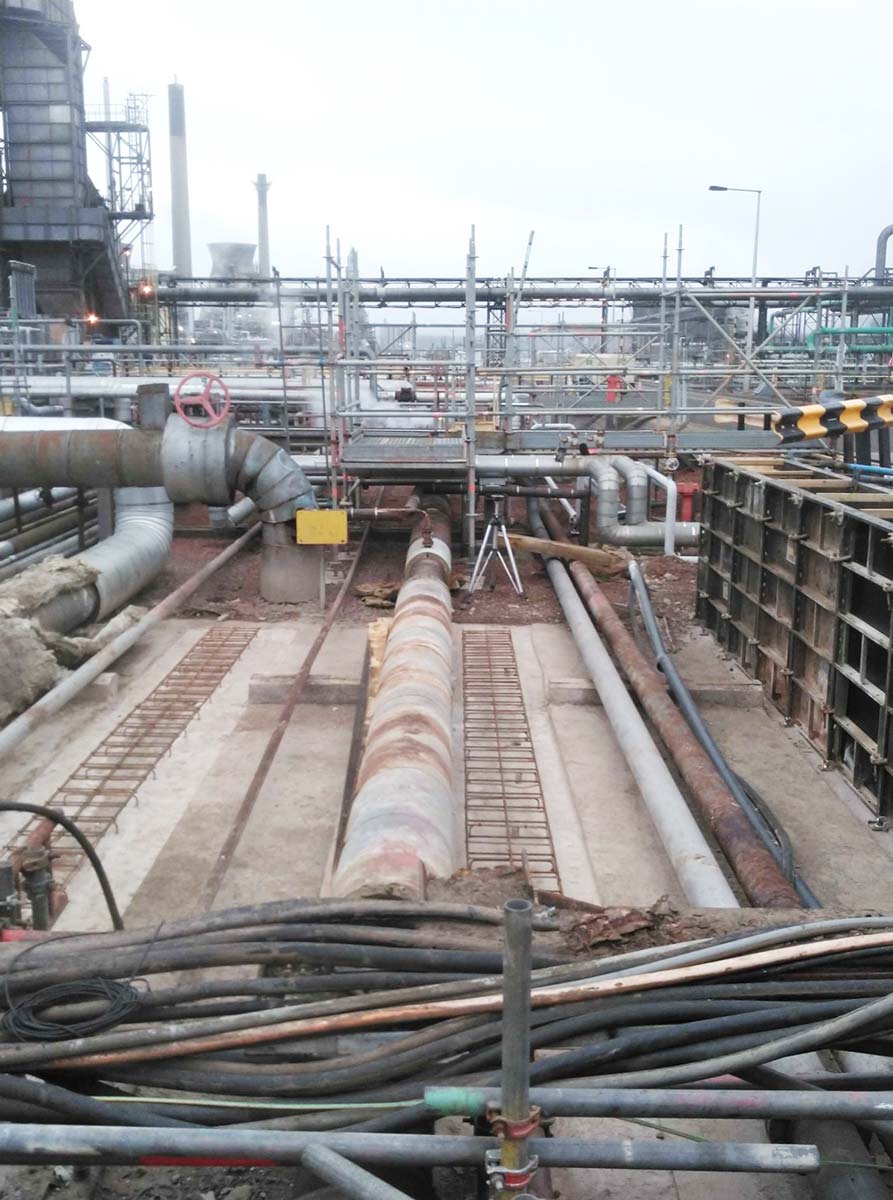
- Congested service corridors restricting access for maintenance
These issues were manifesting as soffit spalling, exposed reinforcement, and progressive deterioration around joints and abutments. In several cases, access constraints were so severe that bridge decks had to be cut or removed to reach failed pipework.
The site’s geotechnical conditions added further complexity. Built on reclaimed land with soft clays and spent shale, the ground offered limited bearing resistance. Any long‑term solution needed to address structural reliability, operational risk, and sustainability performance in equal measure.
The Solution
Arthian translated the inspection findings into a strategic asset management framework that aligned engineering interventions with operational resilience, sustainability, and CDM‑compliant design.
1. Structural Risk Prioritisation
We established a clear hierarchy of interventions focused on:
- Early identification and treatment of spalling
- Preventing water ingress
- Protecting reinforcement
- Designing for future access to both structure and services
This reframed the bridges not just as structures, but as integrated components of the site’s wider service infrastructure.
2. Foundation Strategy for Reclaimed Ground
Given the soft‑clay conditions, two foundation pathways were evaluated:
- Raft foundations to distribute loads and manage ground movement
- Piled foundations for areas with concentrated loads requiring higher bearing resistance
This ensured structural stability while reducing geotechnical uncertainty.
3. Re‑Use of Existing Foundations
The most impactful intervention was the strategic reuse of existing foundations wherever feasible. This approach:
- Reduced geotechnical risk
- Accelerated deconstruction and construction
- Avoided interference with congested service corridors
- Minimized operational disruption
It also delivered a significant sustainability benefit, reducing embodied carbon by roughly a quarter to a third compared with full replacement.
4. Streamlined Superstructure Replacement
By replacing only the superstructure, the client avoided long curing periods, reduced heavy plant requirements, and cut emissions associated with materials and transport.
The Results
The programme delivered a clear, actionable roadmap for the client’s bridge assets, enabling:
- Improved safety and reliability across critical access routes
- A substantial reduction in embodied carbon
- Faster construction cycles with minimal operational disruption
- Lower long‑term maintenance costs through improved access and design
- A future‑proofed asset strategy aligned with COMAH resilience and sustainability goals
Our Latest Projects
Get in Touch
We’d love to hear from you – whether you have a question, a project in mind, want to explore job opportunities, or just want to say hello.