The Retrofit Assessment — Where Feasibility Meets Carbon Intelligence
25th May 2026
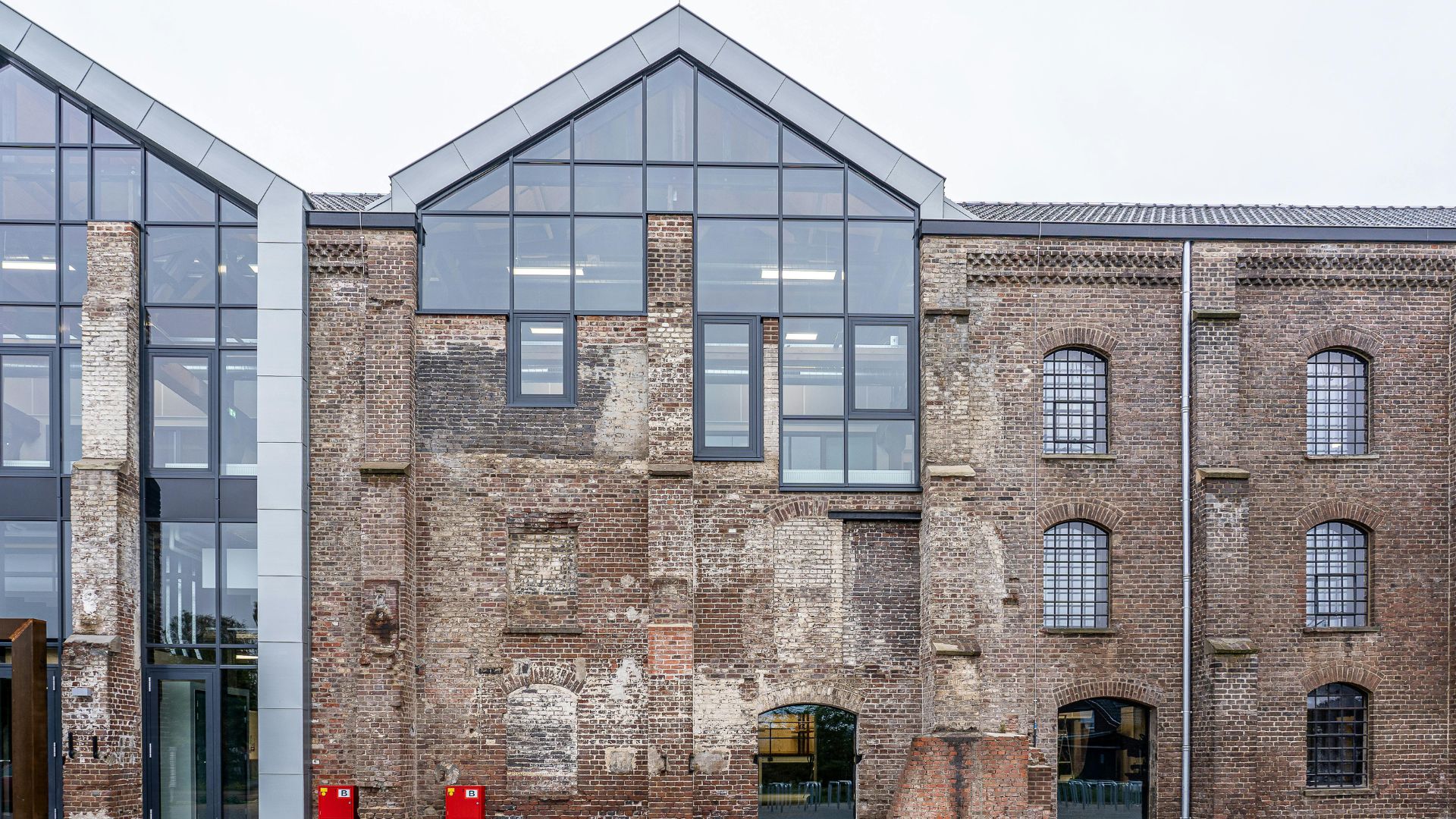
For surveyors and project managers, it’s where technical feasibility, carbon strategy, and commercial certainty converge. Arthian’s retrofit assessment teams help clients to make strategic and informed decisions — identifying which buildings can be transformed sustainably, and which can’t.
What To Look For in a Retrofit Assessment
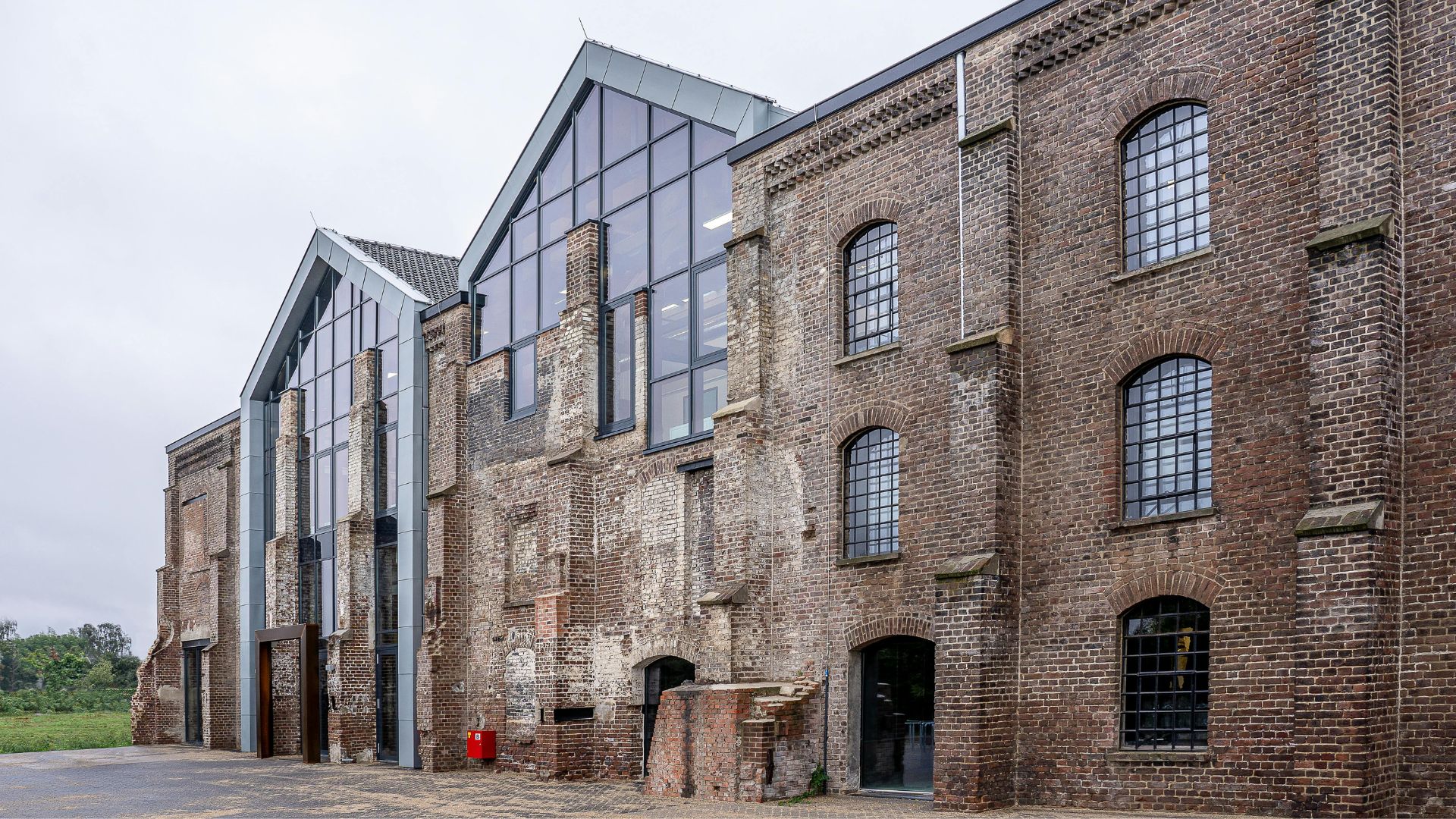
1. Foundation & Ground Conditions
What it covers: Settlement, soil conditions, foundation type, load capacity.
Why it matters: If the ground can’t support future loads, retrofit viability collapses early.
What to look for:
- Signs of settlement or heave
- Foundation type (strip, pad, raft, piles) and condition
- Evidence of historic movement (cracking, distortion)
- Groundwater levels and drainage performance
- Capacity for additional loads from new plant or floors

2. Asbestos & Hazards
What it covers: Asbestos, contaminants, hidden void risks.
Why it matters: Hazard remediation can reshape programme, cost, and sequencing.
What to look for:
- ACMs in soffits, risers, ceiling voids, boiler rooms
- Contaminated voids or inaccessible areas
- Legacy materials (lead paint, bitumen adhesives)
- Areas requiring intrusive investigation
- Impact on sequencing and temporary works
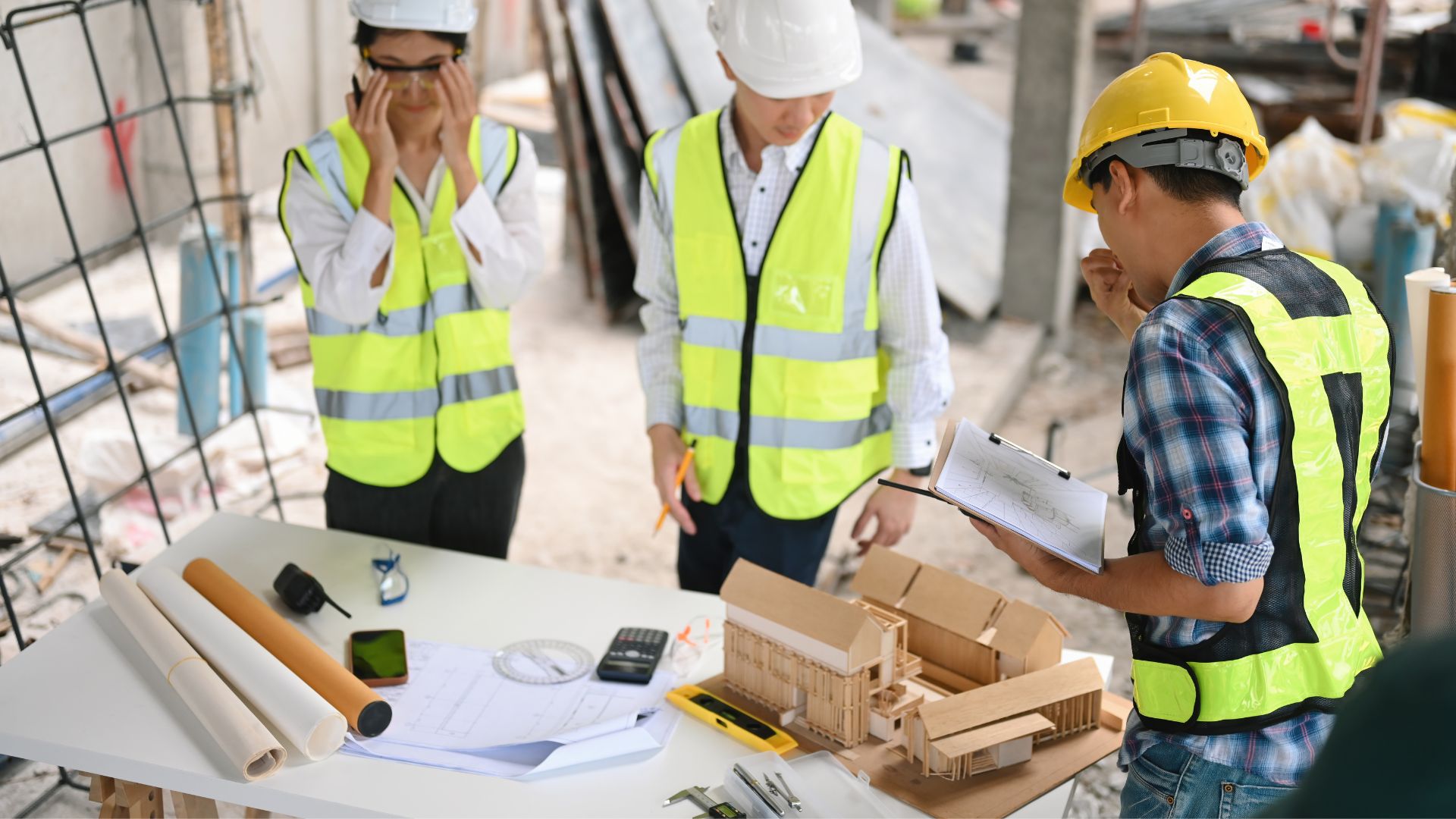
3. Structural Capacity & Condition
What it covers: Frame integrity, corrosion, load paths, strengthening potential.
Why it matters: The structure is the single biggest determinant of retrofit feasibility.
What to look for:
- Corrosion, spalling, deflection, cracking
- Load path clarity and potential for strengthening
- Redundancy in the frame for new penetrations
- Condition of slabs, beams, columns, cores
- Evidence of overloading or historic alterations

4. Building Fabric Performance
What it covers: Insulation, airtightness, moisture risk, façade condition.
Why it matters: Deep fabric upgrades aren’t always possible — surveyors need to know early.
What to look for:
- U values and thermal bridging risks
- Cavity condition, insulation voids, moisture ingress
- Façade integrity (cladding, glazing, fixings)
- Airtightness potential without condensation risk
- Roof condition and upgrade feasibility

5. Fire Safety & Compliance
What it covers: Compartmentation, escape routes, legacy materials, compliance gaps.
Why it matters: Fire upgrades can be the hidden cost driver in older buildings.
What to look for:
- Compartmentation breaches and unsealed penetrations
- Non compliant materials (e.g., legacy cladding)
- Escape route widths, travel distances, door hardware
- Fire stopping condition in risers and voids
- Sprinkler and detection system upgrade needs
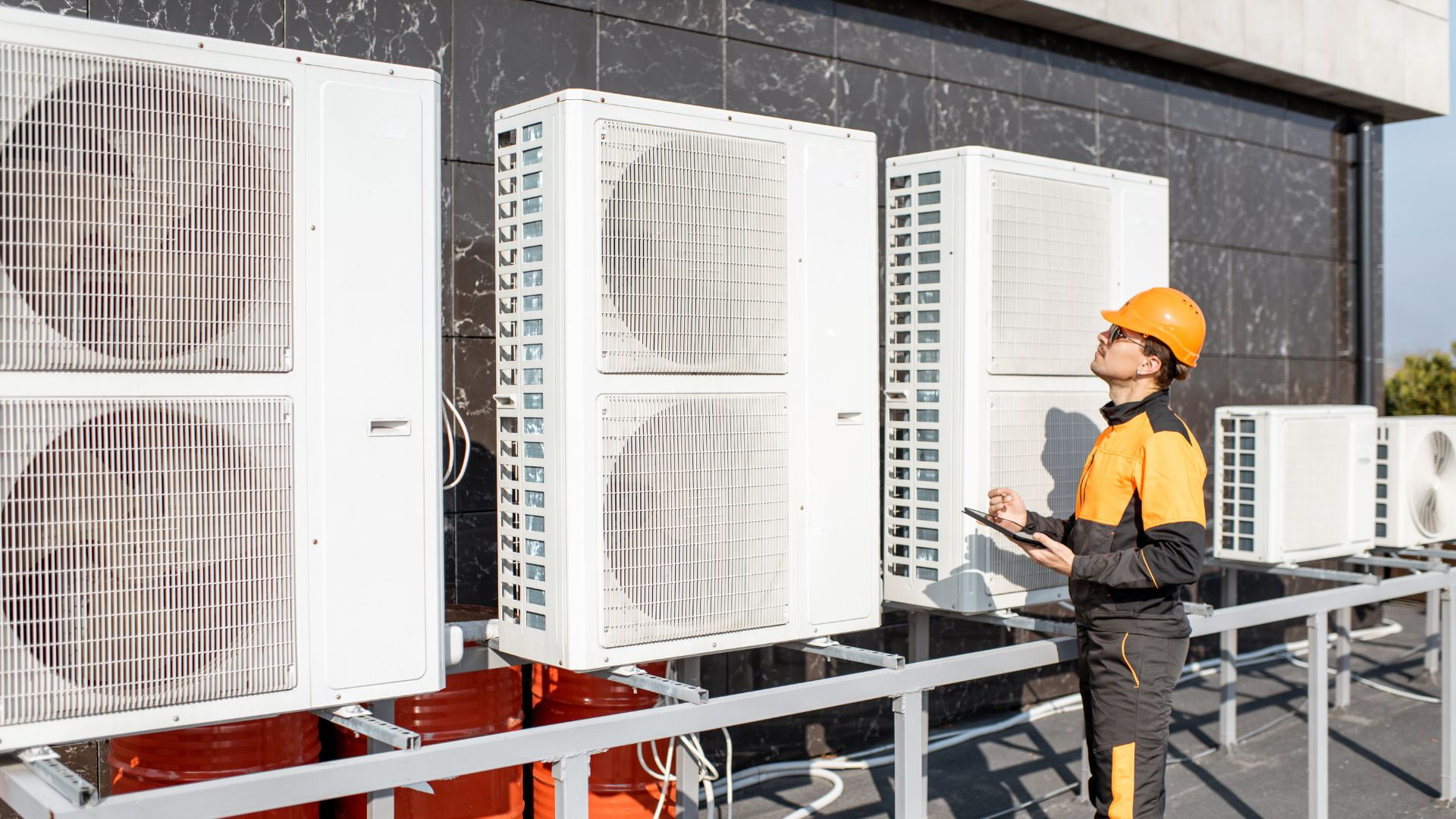
6. Services & Plant Space
What it covers: HVAC, risers, roof loading, plant space, service routes.
Why it matters: Modern systems often don’t fit legacy buildings without major intervention.
What to look for:
- Roof loading capacity for heat pumps, AHUs, PV
- Riser sizes and spare capacity
- Space for new ductwork, pipework, and distribution
- Electrical capacity and upgrade requirements
- Feasibility of low‑carbon systems integration
7. Layout & Adaptability
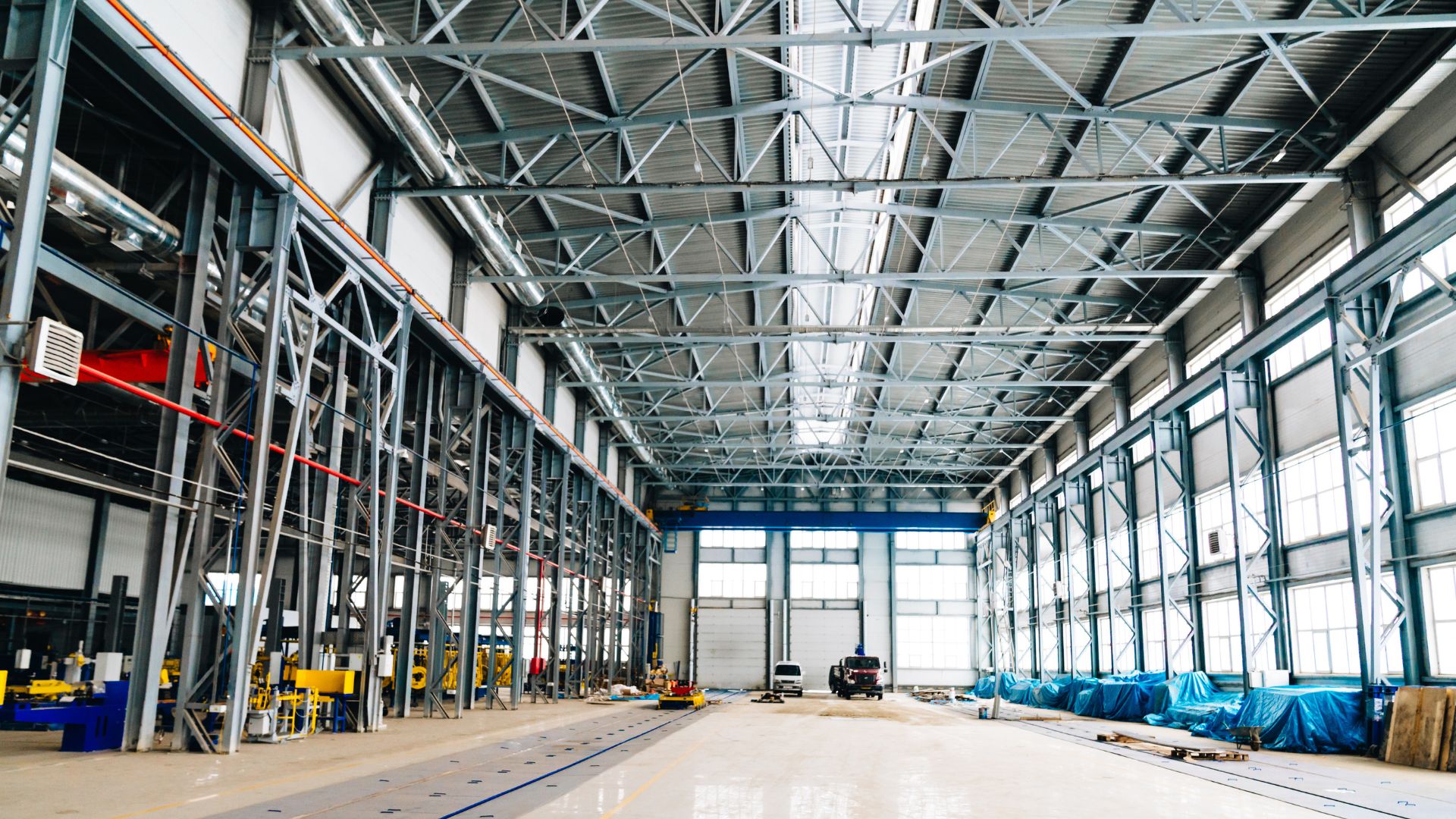
What it covers: Floorplate flexibility, grid spacing, future adaptability.
Why it matters: Retrofit only works long‑term if the building can evolve.
What to look for:
- Structural grid spacing and flexibility
- Floor‑to‑ceiling heights for services
- Potential for open‑plan or reconfigured layouts
- Natural light penetration and façade constraints
- Future adaptability for tenant needs
8. Access & Logistics
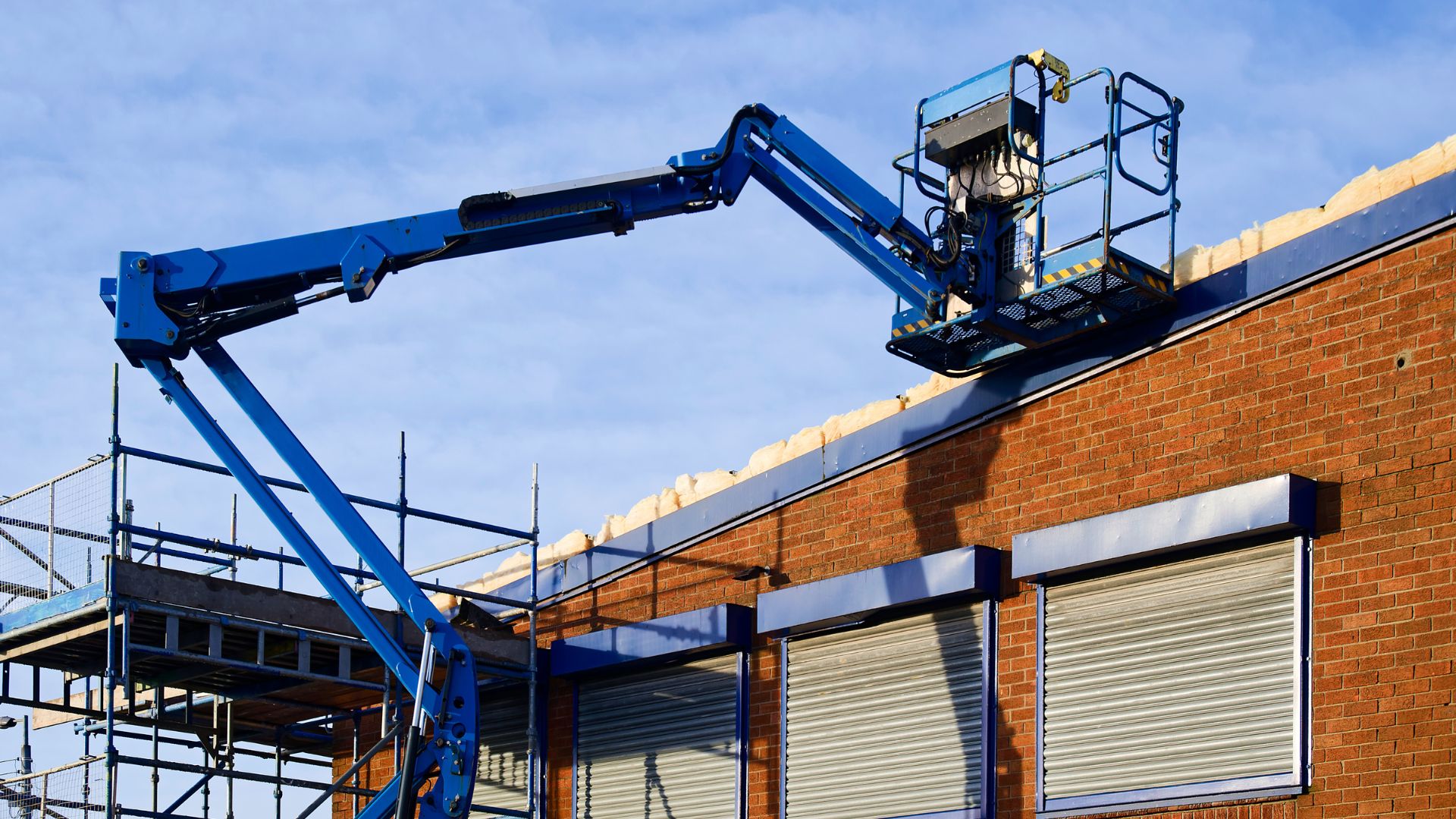
What it covers: Craneage, deliveries, working in occupation, site constraints.
Why it matters: Retrofit is often logistically harder than new build — this is where programmes slip.
What to look for:
- Craneage and delivery access
- Working in occupation constraints
- Storage and laydown space
- Noise, vibration, and dust limitations
- Traffic management and site boundaries
9. Planning & Heritage
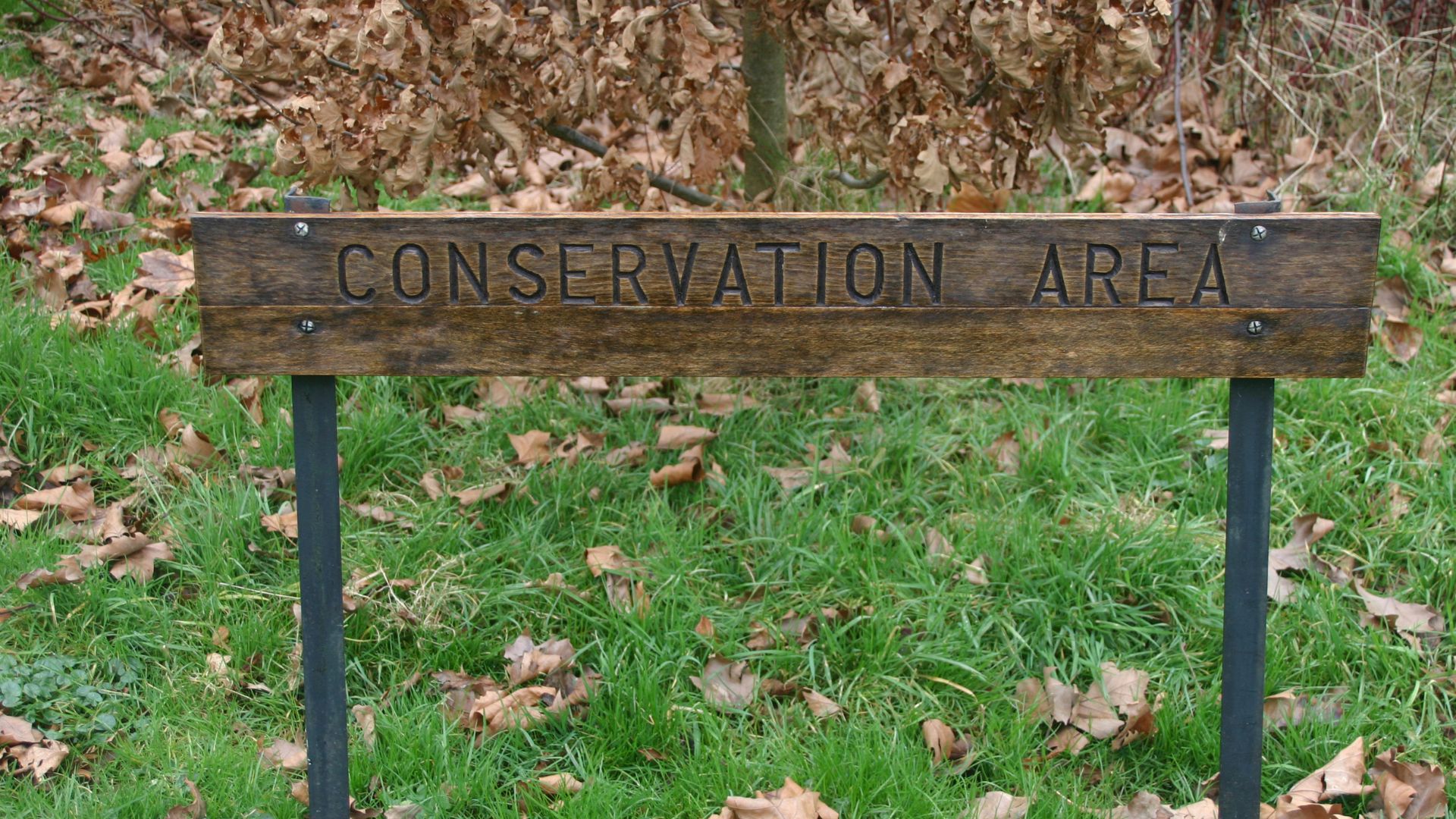
What it covers: Conservation constraints, zoning, planning appetite for retention.
Why it matters: Planning can make retrofit mandatory — or impossible.
What to look for:
- Conservation area or listed status
- Façade retention requirements
- Planning appetite for retrofit vs rebuild
- Local retrofit incentives or constraints
- Impact of external alterations (plant, PV, extensions)

10. Carbon & Cost Analysis
What it covers: WLCA, carbon payback, cost uplift vs rebuild.
Why it matters: Surveyors and PMs need evidence to justify retrofit commercially and environmentally.
What to look for:
- WLCA baseline vs retrofit scenario
- Carbon payback period for interventions
- Embodied carbon savings from structural reuse
- Cost uplift vs new build
- Operational carbon modelling for future compliance
Our Experts
Bryan McAlpine (Director of Energy Engineering)
- Decarbonisation Strategies
- Energy Efficiency
- Industrial Retrofit
Paul MacIntyre (Technical Director, Structural Engineering)
- Retrofit, Adaptation & Remodel of Existing Structures
- Ageing Asset Extension of Life
Peter Schofield (Senior Director, Climate & Carbon)
- Climate Risk & Resilience
- Carbon & Cost Analysis
- Whole Life Carbon