
Applying the SoBRA Guidance Across LCRM Stages
Preliminary Risk Assessment (PRA)
Developers should use “what‑if” climate‑change scenarios to test the Conceptual Site Model (CSM). These scenarios should consider regional change, in particular precipitation, as this will have the greatest impact on pollution risks to controlled waters. The guidance notes critical variability for precipitation of:
- ±5% for rural areas
- ±10% for urban areas
Anything beyond this may indicate climate‑driven change.
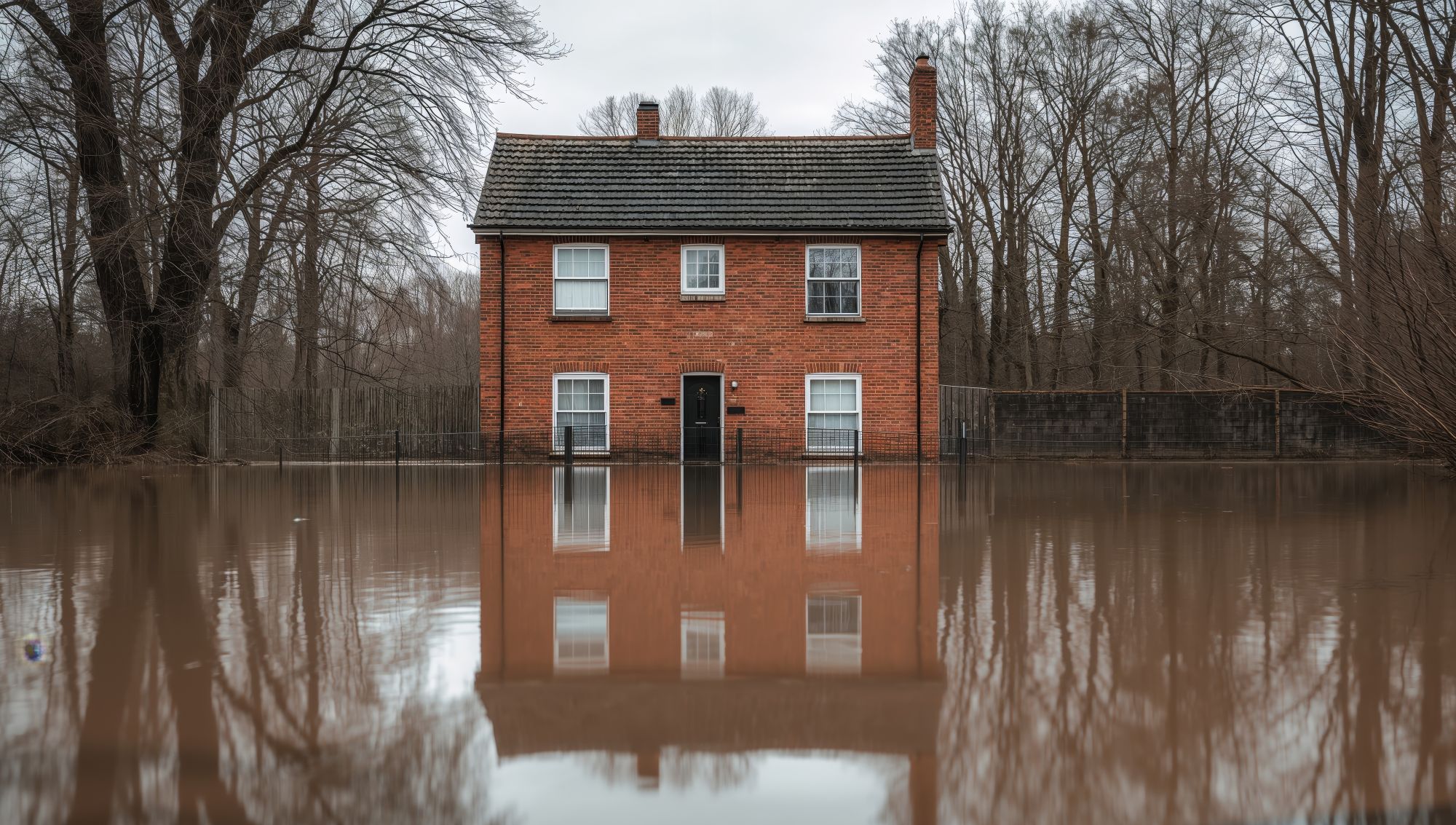
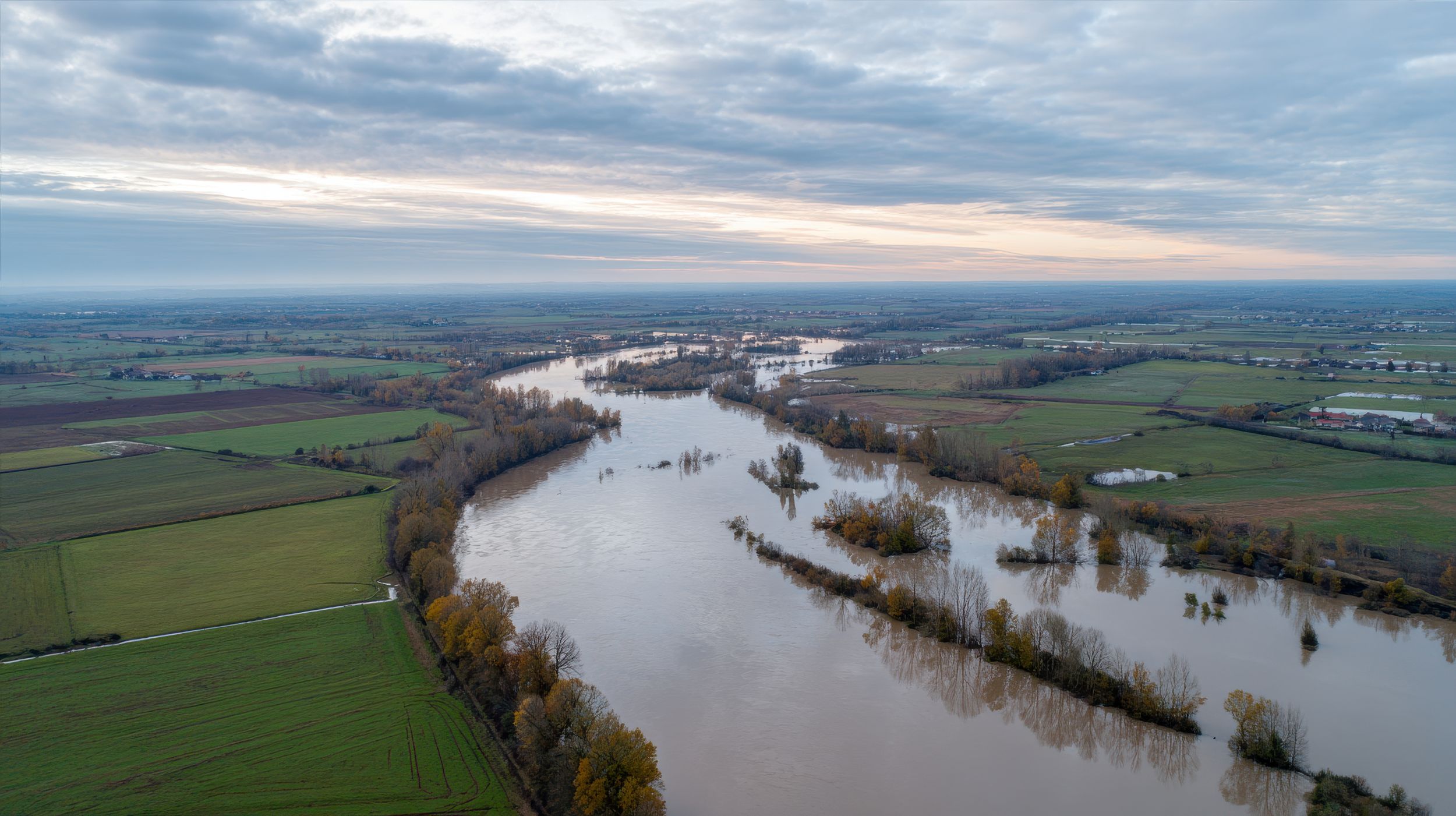
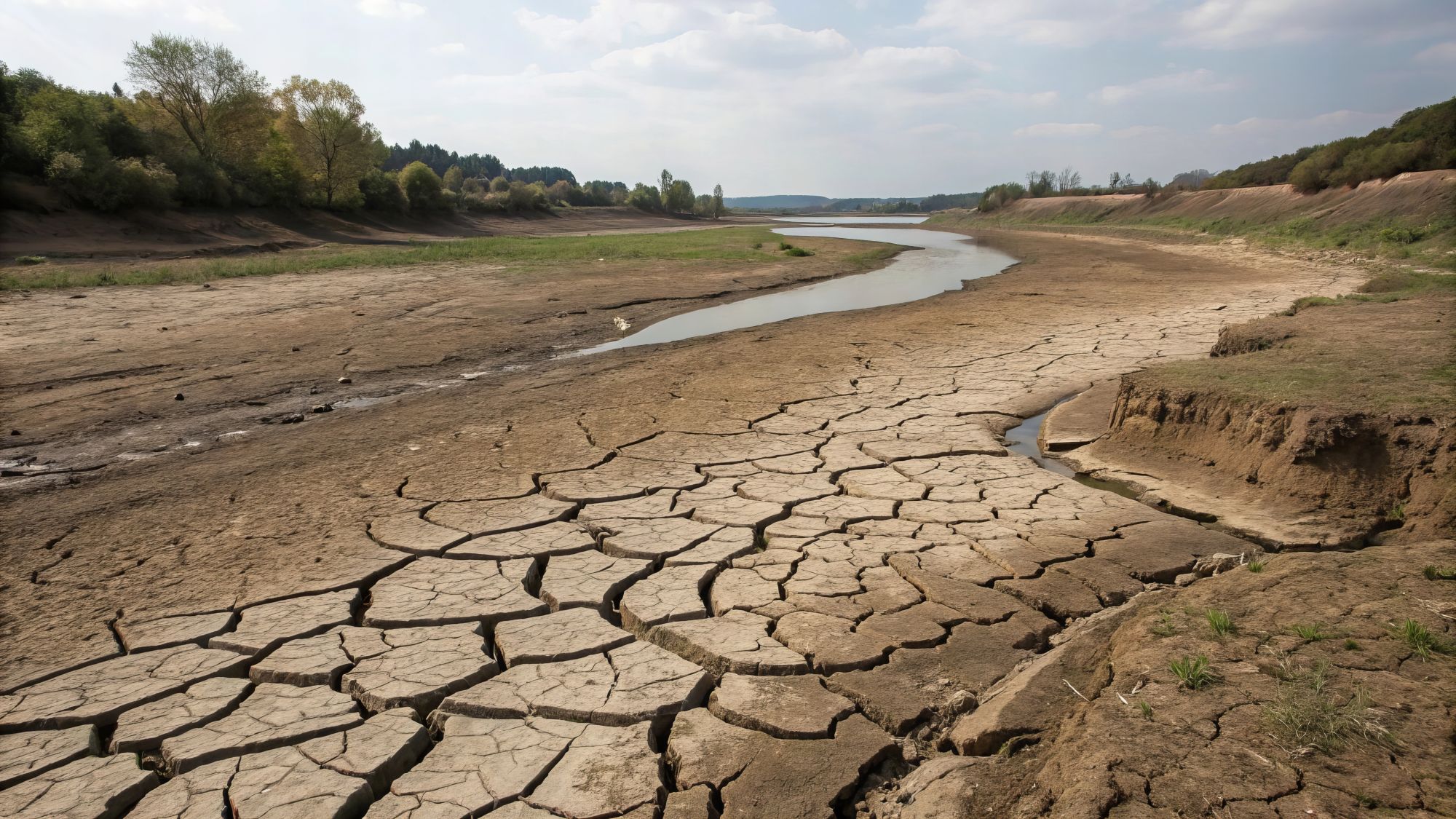
The SoBRA guidance allows a structured method to determine whether climate-change will affect a development. Testing of the CSM can consider sea level rise, rainfall (including extreme precipitation), groundwater levels, extreme heat and drought to determine the overall long-term climate change impact.
Generic Quantitative Risk Assessment (GQRA)
Groundwater level changes are key in the context of climate change. These can have a significant impact on development infrastructure (e.g., culverts, drainage systems, building foundations etc) with potential to remobilise contaminants. Site investigation monitoring should capture enough data to understand:
- Seasonal groundwater variation
- Hydraulic connections to surface waters or abstractions
- Surface flow regimes
- Subsurface infrastructure that may create pathways
- Properties of source zones and unsaturated/saturated zones
- Plume delineation (horizontal and vertical)
For developers, this data helps inform future design needs such as drainage strategy modifications, changes to foundation design, or the need for protective barriers.
Of note, subject to the regulator’s requirements, monitoring regimes can extend from 6 months to a year which can impact development timescales. Early consideration of climate change impacts to a development project is therefore crucial.
Detailed Quantitative Risk Assessment (DQRA)
For sites with significant contamination or sensitive receptors – such as drinking‑water abstractions or designated ecological sites – a DQRA is required.
Climate change can influence contaminant plume behaviour by altering four key parameters:
- Recharge
- Groundwater levels
- Hydraulic gradients
- Surface‑water flows.
These changes may increase risks by remobilising contaminants previously trapped in the unsaturated zone, reducing dilution during low river flows, or shifting hydraulic gradients in ways that change the direction of plume migration and associated liabilities.
Within a DQRA, climate‑related impacts should be incorporated into sensitivity analyses, particularly when modelling conditions extending into the 2050s and beyond. The assessment parameters, assumptions and future scenarios should be agreed with the relevant regulatory body before work begins.