UK Renewables in 2026: A Four‑Nations View of a System in Transition
Here’s how the planning landscape is evolving across the UK’s regions, and what it means for developers navigating this fast‑moving environment.
17th February 2026
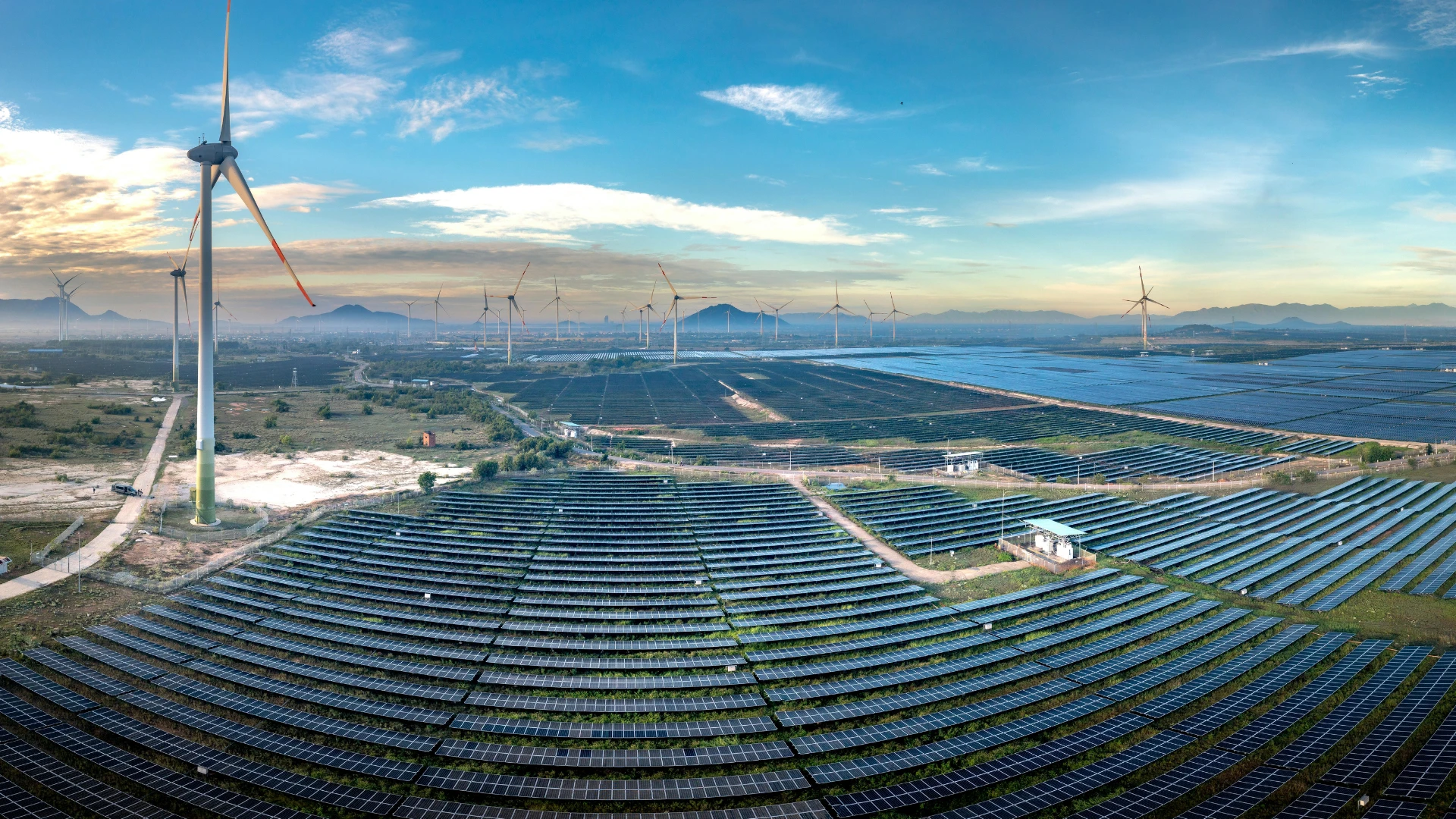
Across England, Scotland, Wales and Northern Ireland, planning approvals for solar, wind and energy storage surged to unprecedented levels — with Great Britain alone greenlighting more than 45 GW of new capacity, nearly double the previous year’s total. [theguardian.com], [ess-news.com]
But while the ambition is UK wide, the reality on the ground is increasingly shaped by regional planning cultures, grid constraints, and policy divergence. As 2026 begins, the four nations are moving in the same direction — just not always at the same pace.
Here’s how the planning landscape is evolving across the UK’s regions, and what it means for developers navigating this fast‑moving environment.
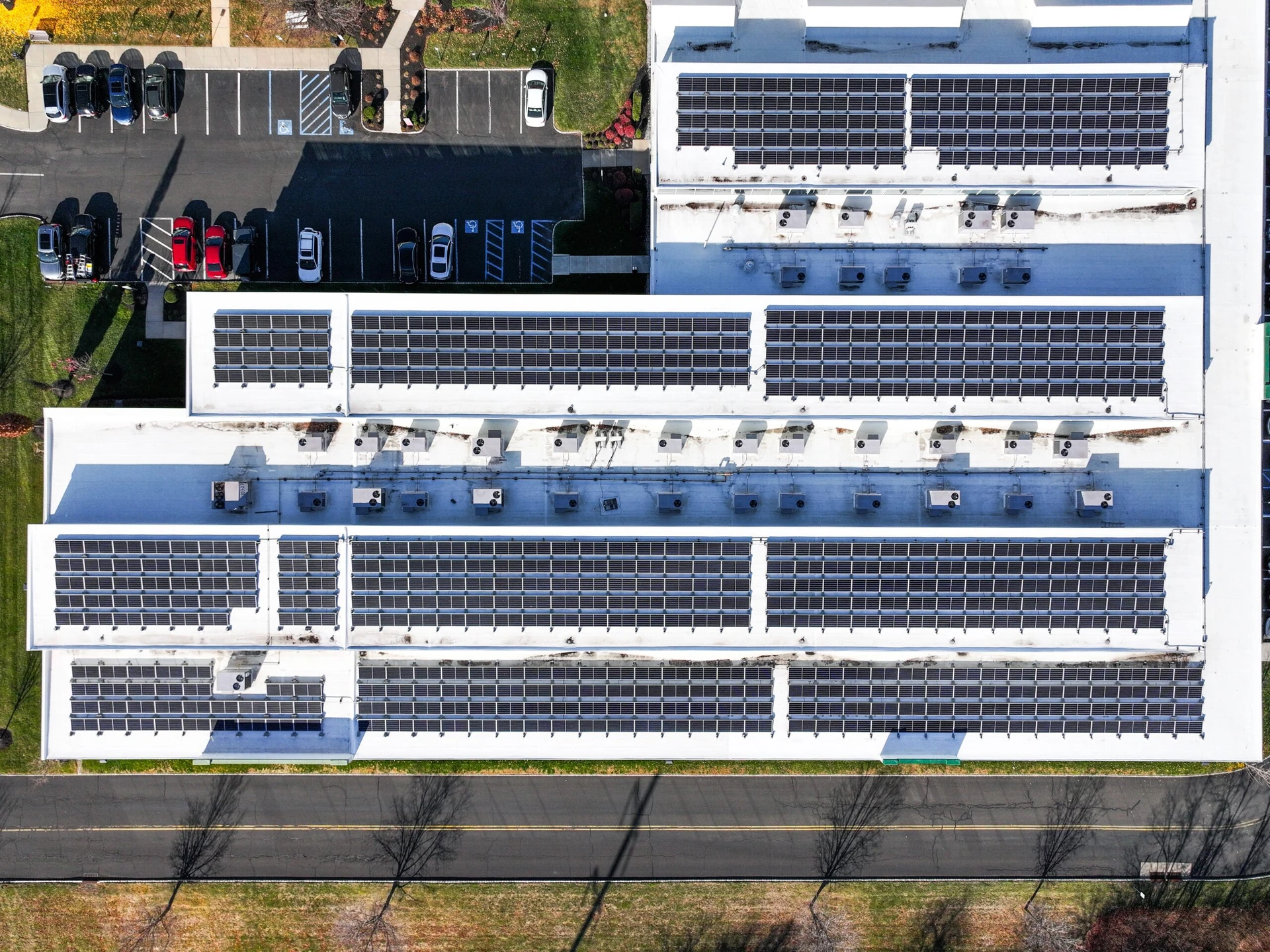
A UK‑Wide Surge — Expressed Differently in Each Nation
The UK now has the strongest renewable pipeline in its history. Battery storage and offshore wind dominate the growth, supported by planning reform and developers racing to secure consents ahead of grid rule changes.
Yet the picture varies by nation:
- England is seeing rapid growth in solar and storage, but remains hampered by grid bottlenecks and slower onshore wind consenting.
- Scotland continues to lead on onshore wind and large rural solar‑plus‑storage schemes, supported by a more permissive planning environment.
- Wales is accelerating strategic zones for renewables but faces similar grid pressures to England.
- Northern Ireland has strong policy intent but slower delivery due to planning delays and limited grid headroom.
The UK‑wide removal of 153 GW of “zombie projects” from the grid queue in late 2025 was a major intervention designed to benefit all nations — but the impact will be felt differently depending on regional grid readiness.
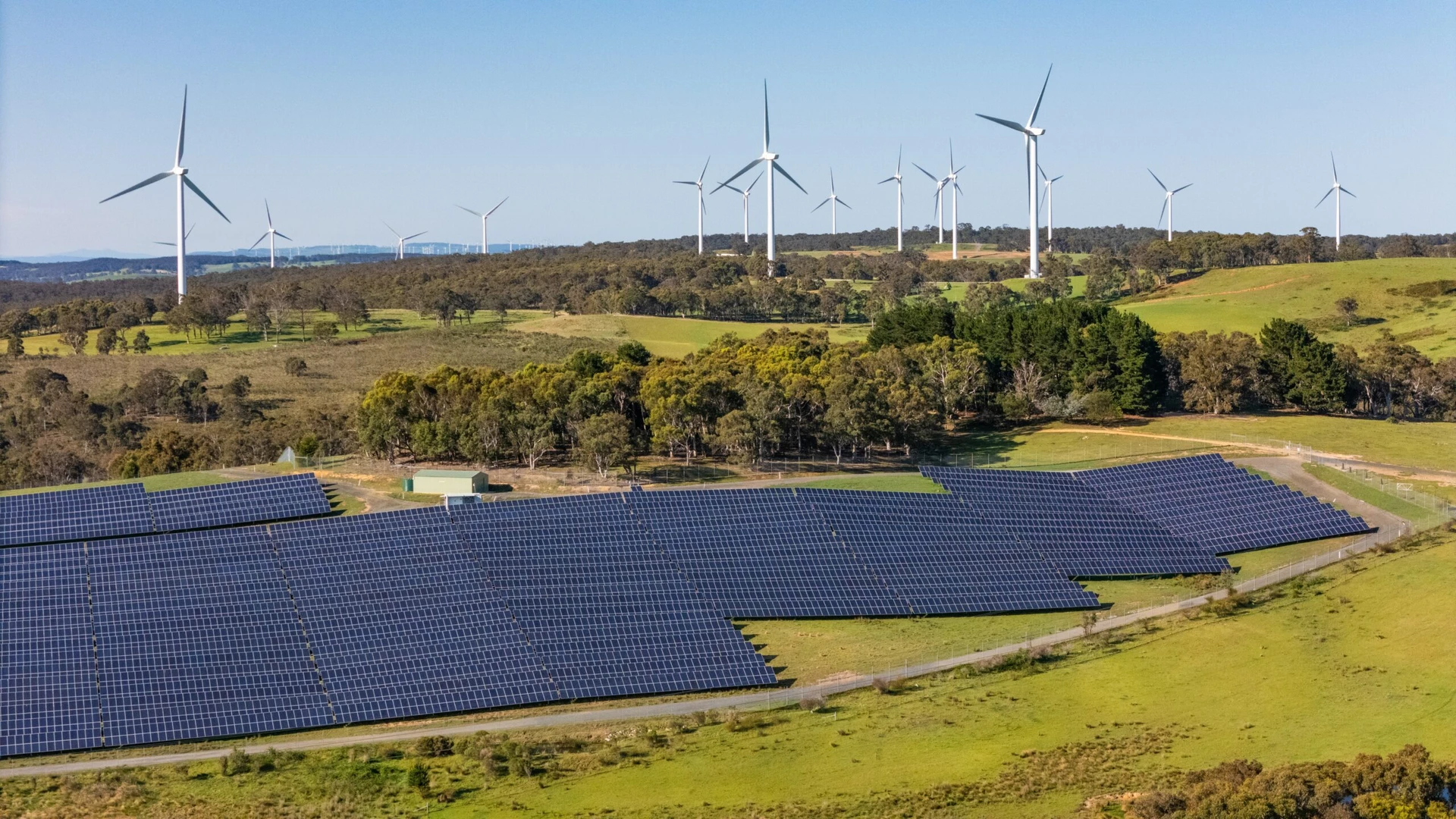
Solar: A Consistent Performer, Region by Region
Solar remains the most predictable technology across the UK, but each nation brings its own flavour to the story.
England & Wales
The updated National Policy Statement for Renewable Energy Infrastructure (EN‑3), effective from 6 January 2026, provides clearer guidance for national‑scale solar — giving developers more certainty across both nations.
Scotland
Scotland is emerging as a leader in large rural solar‑plus‑storage projects, supported by strategic energy policies and local authority alignment.
Northern Ireland
Solar remains attractive but is constrained by grid capacity and slower planning timelines.
UK‑wide takeaway:
Solar is the most uniformly deployable technology across all four nations, with strong investor appetite and increasingly common co‑location with storage.
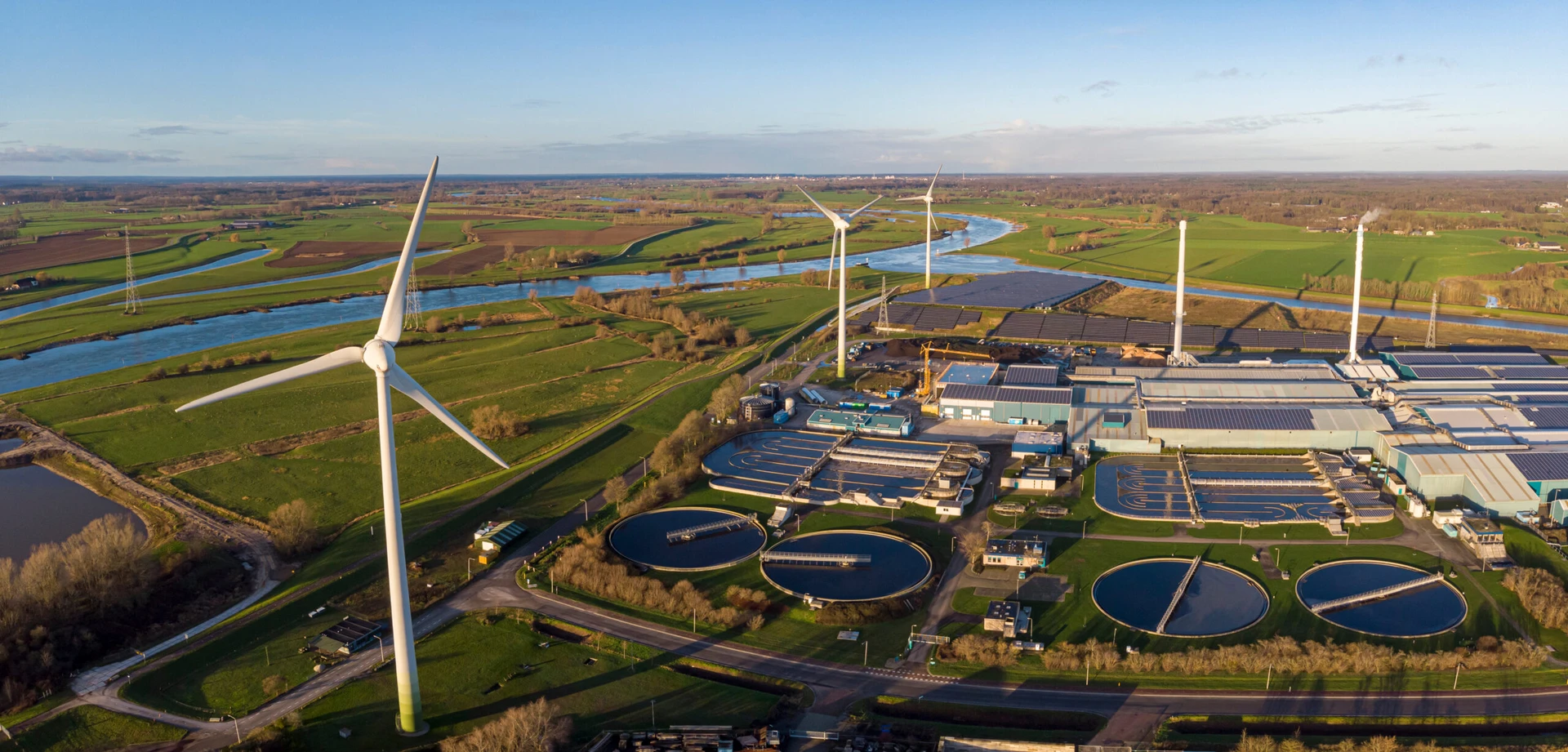
Wind: A Tale of Four Nations
Wind remains central to the UK’s net‑zero ambitions, but the planning experience differs sharply across the regions.
Offshore Wind (UK‑wide)
Approvals surged to 9.9 GW in 2025 — a sevenfold increase — driven by national‑level policy alignment and clearer guidance under EN‑3.
Onshore Wind (Regionally Divergent)
Scotland
Continues to dominate onshore wind approvals thanks to supportive planning frameworks and abundant suitable land.
England
The lifting of restrictive rules has reopened the door for onshore wind, but consenting remains slower than in Scotland.
Wales
Strategic wind zones are accelerating development, though grid constraints mirror those in England.
Northern Ireland
Strong policy intent but hampered by planning delays and grid limitations.
Across all nations, grid capacity remains the defining constraint for wind deployment.

Battery Energy Storage: The UK’s Fastest‑Growing Technology
Storage is now the engine behind renewable deployment across all four nations.
UK‑wide trends
- BESS approvals hit 28.6 GW in 2025 — more than double the previous year.
- Grid reform has shifted to a “first ready, first connected” model, incentivising early planning across all regions.
- Fire safety scrutiny is rising UK‑wide, prompting parliamentary debate and calls for clearer national standards.
Legislative shift
The proposed Battery Energy Storage Systems (Fire Safety) Bill would make fire services statutory consultees for all BESS applications across the UK — a major change that will reshape planning expectations.

Planning Reform: Toward a More Integrated UK Framework
While each nation retains its own planning system, several reforms are pushing toward greater UK‑wide consistency.
Planning and Infrastructure Act 2025 (England & Wales, UK implications)
- National Policy Statements must be reviewed at least every five years from February 2026.
- New powers allow certain developments to bypass full development consent.
Grid Reform Across All Nations
- Readiness‑based queueing
- Removal of stalled projects
- More transparent connection criteria
These reforms collectively strengthen alignment across the UK while still allowing regional nuance.

What This Means for Developers in 2026
Solar — The Most Reliable UK‑Wide Bet
Fastest approvals, broadest suitability, and strong policy support across all four nations.
Wind — Essential but Uneven
Offshore is booming everywhere; onshore remains highly region‑specific.
BESS — Transformative Growth with Rising Scrutiny
Fastest‑growing technology UK‑wide, but fire safety and cumulative impact assessments will become more central.
Grid — The UK’s Shared Challenge
Whether in Scotland’s rural regions, England’s industrial clusters, or Wales and Northern Ireland’s renewable corridors, grid capacity remains the single biggest barrier to delivery.
How Arthian Supports Renewable Development Across All Four Nations
Arthian works across England, Scotland, Wales and Northern Ireland, helping clients navigate:
- NSIP and local authority planning
- UK‑wide grid connection reforms
- BESS safety, risk and cumulative impact assessments
- Regional planning differences for wind and solar
- End‑to‑end project delivery from feasibility to consent
Wherever your project sits in the UK, our planners bring national insight with regional precision.