Building Regulations and Acoustic Performance: What You Need to Know
Understanding acoustic performance early in a project helps to ensure compliance, improves occupant wellbeing, and avoids costly remedial work later on.
16th January 2026
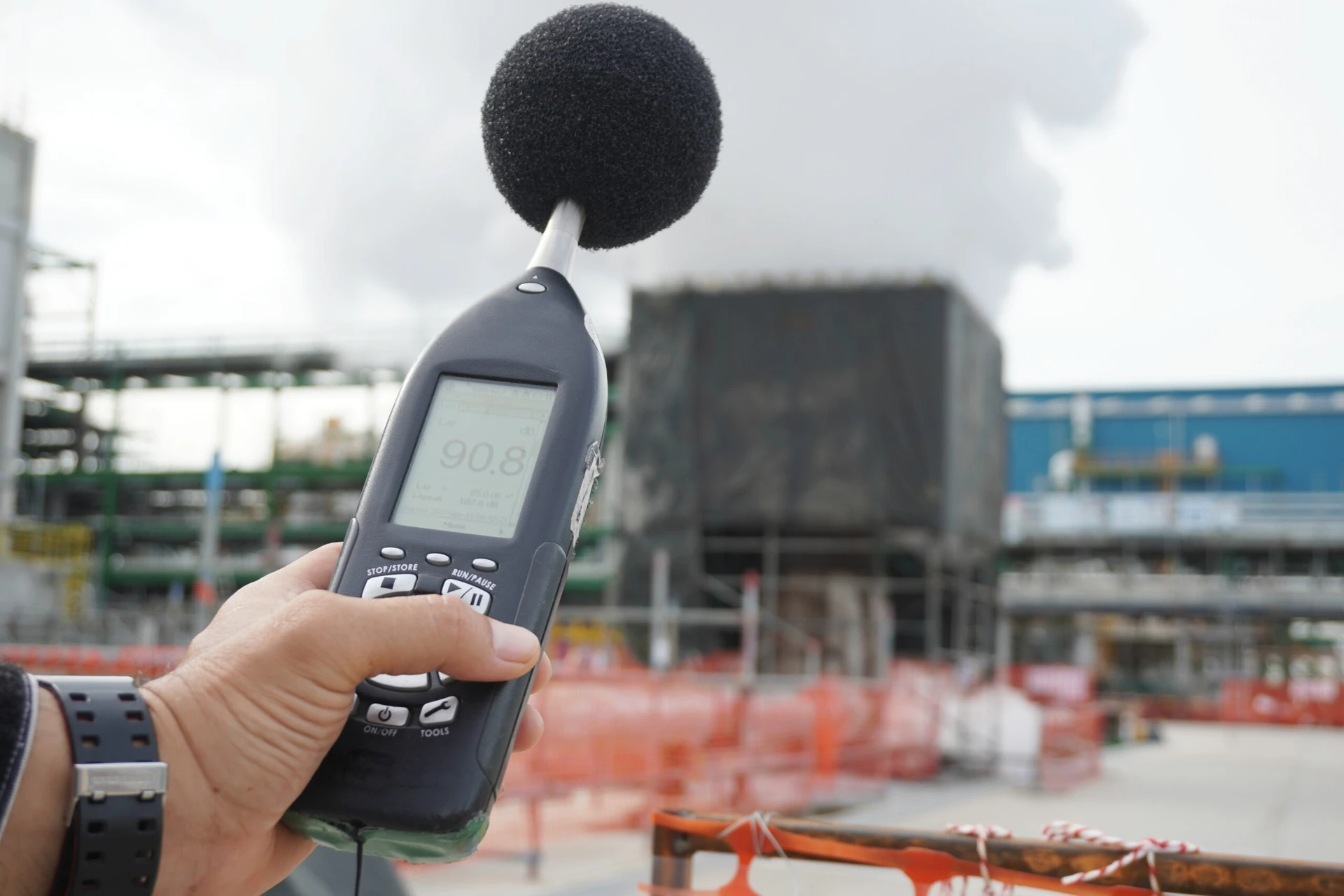
Acoustic performance in buildings refers to how effectively a structure controls sound transmission between rooms and neighbouring spaces. Good acoustic design helps reduce unwanted sound such as neighbouring voices, music, and footsteps. Building regulations set minimum performance standards for sound insulation to provide reasonable protection to occupants from sound from adjoining residential properties and commercial premises. These requirements apply to residential and commercial properties alike and must be considered during design and construction. Understanding acoustic performance early in a project helps to ensure compliance, improves occupant wellbeing, and avoids costly remedial work later on.
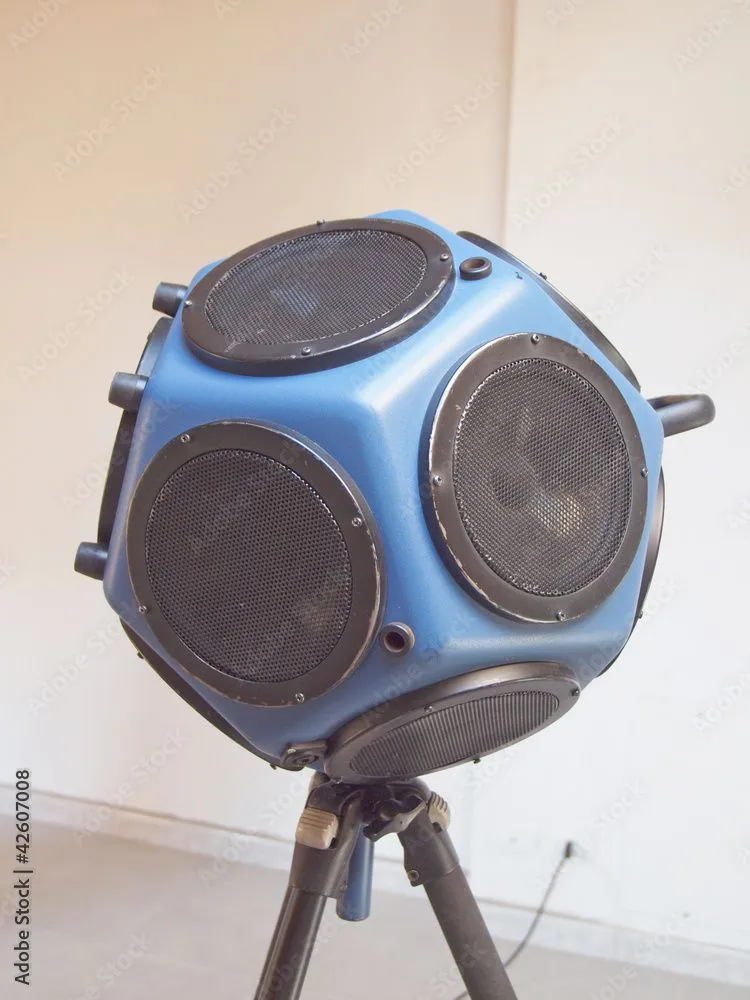
Residential Building Regulations Requirements
When constructing a residential scheme (houses/flats/hotels/student accommodations) each administration within the UK, and the Republic of Ireland, has varying acoustic requirements to conform to national standards. The below table details this.
| Nation | Regulation Document | Scope & Focus | Testing & Compliance |
|---|---|---|---|
| England & Wales | Approved Document E – Resistance to the passage of sound | Sound insulation between dwellings, within dwellings, reverberation in common areas | Pre-completion testing of the sound insulation on site (PCT) or Robust Details approved designs |
| Scotland | Technical Handbook Section 5 (Noise) | Limits sound transmission between dwellings, separating elements, and internal spaces | Compliance within handbook framework; sound insulation testing recommended |
| Northern Ireland | Technical Booklet G – Resistance to the passage of sound | Resistance to sound between dwellings, within dwellings, reverberation in common areas | Pre-completion sound testing or compliant design solution |
| Republic of Ireland | Technical Guidance Document E – Sound | Wall/floor sound insulation and reverberation for dwellings | Mandatory on-site sound testing |
Tips to Improve Acoustic Performance
Use the Right Materials
To achieve a high performing wall or floor a combination of mass, insulation and decoupled layers is required to reduce sound transmission across the low to high frequency spectrum.
Change of Use / Refurbishment
When working with a refurbished space, your options are often limited to work with the existing building, this often requires installing additional wall liners and constructing floating floors to improve on the existing.
It is often beneficial to undertake sound insulation tests prior to the existing space being altered to determine the existing performance of a space. With this information, the acoustic consultant has a better understanding to determine what level of upgrade is required to make a space compliant without having to overspecify a wall or floor.
Junctions
It’s not just the transmission directly through the wall or floor which need acoustic attention, flanking elements such as external walls and services need to be suitably acoustically isolated to reduce sound transmission via these paths.
Seal Gaps
Sound in a room will also target the weakest path to transfer into neighbouring spaces, so it’s fundamental all corners and joints are well sealed and that care is taken with the design and location of wall sockets.
Relocate Noisy Areas
To reduce the acoustic performance required between spaces, loud noise generating spaces (for example a gymnasium) shouldn’t be located next to highly noise sensitive spaces (for example a library). The acoustic impact should be considered when designing spaces to then allow for a reduced acoustic performance of the partitions, which ultimately almost always allows for more floor space (the higher the acoustic performance criteria, the thicker the walls or floors need to be).

Commissioning & Failure
When the space is fully constructed, the walls and floor will typically require to be acoustically tested to ensure compliance with the relevant regulation document.
Site Conditions
- All separating and internal walls and floors and installed
- All traps in bathrooms and kitchens to be filled
- Window vents fitted
- Sockets and light fixtures fitted and sealed
- The resilient layer installed
- Rooms typically (but not always) unfurnished
- When also commissioning the internal ambient noise level of a space, mechanical plant to be balanced and commissioned prior
Testing
Once the site is then ready for testing, a selection of spaces is then tested to ensure compliance. Testing includes:
- Airborne wall & floor tests (used to replicate voices, music, TV, etc.)
- Impact floor tests (used to replicate footsteps, moving furniture, dropped objects, etc.)
Tests results are then shared with the Building Control team to confirm compliance.
Failures
When a failure occurs, it is important to determine why this is and how remedial works can be actioned to turn it into a pass. It is therefore important when the sound insulation test is being undertaken the tester reviews each test in isolation and detects the dominant flanking path when a shortfall is anticipated.
Work with Experts
Acoustic design can be complex. Consulting an acoustic engineer early on in scheme reduces the risk of errors when it comes to the commissioning stage. Consultants can also assist with determining the following:
- Acoustic performance requirements of a building’s fabric (wall/glazing/ventilation)
- Mechanical plant noise
- Reverberation
- Vibration