
Services

From strategy to delivery, our experts support complex challenges across the entire lifecycle of a project.

  • Environment
  • Engineering
  • Planning Consultancy
  • Safety
  • Sustainability Consulting
  • Net Zero and Decarbonisation
Arboriculture & Forestry Consultancy Services
Acoustics, Noise & Vibration Consultants
Air Quality
Archaeology & Heritage
Contaminated Land & Remediation
Ecology & Biodiversity
Environmental Impact Assessment
Construction Environmental Management
Environmental Permitting
Flood Risk
Glint & Glare
Hydrology & Hydrogeology
Landscape & Visual
Soils & Peat
Waste
Explore Environment
Civil Engineering
Structural Engineering
Geotechnical Engineering
Temporary & Enabling Works
Process Engineering
Energy Engineering
Energy Analysis
Environmental Engineering
Water & Wastewater
Surveying
Asset Integrity
Explore Engineering
Planning Consultancy
Transport Planning
Explore Planning Consultancy
Process Safety Consultants
COMAH Compliance Consultants
DSEAR & ATEX Compliance Services
HAZOP Consultancy
Machinery Safety
Process Safety Training Consultants
Health & Safety
Occupational Hygiene Consultants
Construction Design & Management (CDM)
Explore Safety
Energy Compliance
Environmental, Health & Safety (EHS) Legal Compliance Management
ISO Management Systems Services
Sustainability Strategy, Reporting and Verification
Environmental, Social, Governance (ESG)
Sustainability Programme Delivery Support
Sustainability Skills and Training
Explore Sustainability Consulting
Product Carbon Footprint Consultants
Buildings & Infrastructure Carbon Footprint & Reduction
Net Zero Strategy & Climate Transition Plans
Carbon Verification & Assurance
Energy Generation Feasibility Design
Industrial & Commercial Energy Solutions
Public Sector Decarbonisation Solutions
Net Zero and Decarbonisation Training
Carbon Footprint & Reporting
Explore Net Zero and Decarbonisation

hello@arthian.com

+44 (0) 3301 200 151

  • Office Locations
  • Resources
  • Services
    • Public Sector
  • Sectors
  • Projects
  • About Us
  • Training
  • Careers
  • Insights
  • Contact Us

Services

  • Environment
  • Engineering
  • Planning Consultancy
  • Safety
  • Sustainability Consulting
  • Net Zero and Decarbonisation

Environment

  • Arboriculture & Forestry Consultancy Services
  • Acoustics, Noise & Vibration Consultants
  • Air Quality
  • Archaeology & Heritage
  • Contaminated Land & Remediation
  • Ecology & Biodiversity
  • Environmental Impact Assessment
  • Construction Environmental Management
  • Environmental Permitting
  • Flood Risk
  • Glint & Glare
  • Hydrology & Hydrogeology
  • Landscape & Visual
  • Soils & Peat
  • Waste

Engineering

  • Civil Engineering
  • Structural Engineering
  • Geotechnical Engineering
  • Temporary & Enabling Works
  • Process Engineering
  • Energy Engineering
  • Energy Analysis
  • Environmental Engineering
  • Water & Wastewater
  • Surveying
  • Asset Integrity

Planning Consultancy

  • Planning Consultancy
  • Transport Planning

Safety

  • Health & Safety
  • Occupational Hygiene Consultants
  • Construction Design & Management (CDM)
  • Process Safety Consultants
  • Process Safety Training Consultants
  • COMAH Compliance Consultants
  • DSEAR & ATEX Compliance Services
  • HAZOP Consultancy
  • Machinery Safety

Sustainability Consulting

  • Energy Compliance
  • Environmental, Health & Safety (EHS) Legal Compliance Management
  • ISO Management Systems Services
  • Sustainability Strategy, Reporting and Verification
  • Environmental, Social, Governance (ESG)
  • Sustainability Programme Delivery Support
  • Sustainability Skills and Training

Net Zero and Decarbonisation

  • Public Sector Decarbonisation Solutions
  • Industrial & Commercial Energy Solutions
  • Energy Generation Feasibility Design
  • Net Zero Strategy & Climate Transition Plans
  • Carbon Footprint & Reporting
  • Buildings & Infrastructure Carbon Footprint & Reduction
  • Carbon Verification & Assurance
  • Net Zero and Decarbonisation Training
  • Product Carbon Footprint Consultants
  • Services
    • Public Sector
  • Sectors
  • Projects
  • About Us
  • Training
  • Careers
  • Insights
  • Contact Us

  • Office Locations
  • Resources

hello@arthian.com

+44 (0) 3301 200 151

Home| Insights| Unlocking Low-Carbon Megawatts and Megabytes: Why Construction Access Determines Deliverability for Solar Farms and Data Centres
Decarbonisation
Environmental Compliance
Environmental Permitting
Planning

Unlocking Low-Carbon Megawatts and Megabytes: Why Construction Access Determines Deliverability for Solar Farms and Data Centres

Across the UK and Ireland, solar farms and data centres are scaling at unprecedented speed. But an issue that rarely gets the attention it deserves is now becoming one of the biggest threats to deliverability - can critical loads even reach the site? Construction access is rapidly shifting from an afterthought to a strategic risk. To help developers, planners and investors navigate this challenge, our team of expert transport planners have put together a 4-part insight series exploring why access is now a critical-path issue, what typically goes wrong, and what can be done early to de-risk delivery.

2nd December 2025

Unlocking Low-Carbon Megawatts and Megabytes: Why Construction Access Determines Deliverability for Solar Farms and Data Centres

Why Risk is Shifting – Capacity vs Constructability

Across the UK and Ireland, the drive towards Net Zero is accelerating investment in clean energy and digital infrastructure at an unprecedented level. Solar farms are increasingly favoured as reliable, fast deploying renewable technology, while data centres continue to expand to meet exponential digital demand. Both sectors are now central to national and regional decarbonisation strategies.


Yet behind this growth lies a less visible but rapidly escalating challenge, the ability to physically build these assets. How components, plant, materials, abnormal indivisible loads (AILs) actually reach a site and then access into it, is emerging as one of the critical risks determining whether projects are delivered on time, at costs, or at all.


In too many schemes, access is still considered after site selection or only once planning is underway. As the scale, location and complexity of modern low-carbon projects increase, this approach is no longer viable.

Transport Planning 1
Transport Planning 4

Capacity Versus Constructability

Policy ambition and grid-capacity targets dominate strategic decision making. However, constructability and the practical logistics of delivering a scheme on the ground is becoming the harder constraint.


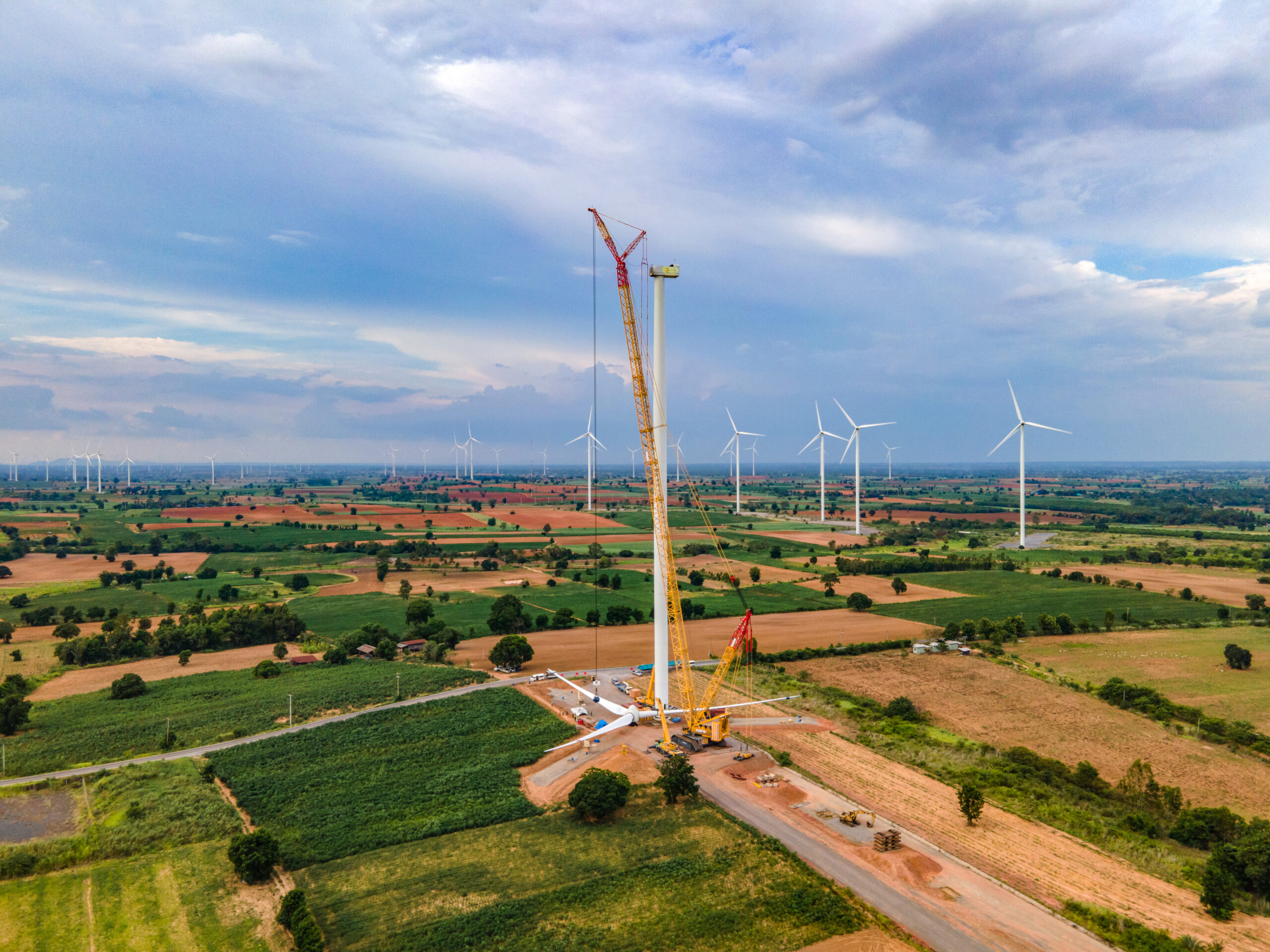
A solar farm may require hundreds of HGV deliveries to remote rural sites accessed via narrow lanes, weak structures or pinch points, with a limited ability to widen. A data centre may depend on transporting 150 tonne or greater transformers, chillers and modular plant through constrained urban corridors or rural roads with tight geometry and significant vertical vegetation. These movements typically involve Special Types General Order (STGO) rated AIL vehicles, specialist trailers and detailed route assessments. Every route must consider structures, verge strength, geometry, street furniture, clearances, third-party lands and statutory undertaker apparatus.


Grid capacity may exist on paper, but if the transformer cannot physically reach the site, the project cannot proceed.


The result is a widening disconnect. Developers can secure land and grid connections yet face months of delay while alternative routes are negotiated, structural surveys commissioned, or temporary works designed and approved. In complex cases, the costs and time penalties can significantly undermine project viability.

Why The Risk is Shifting
 

Construction access has shifted from a technical issue to a strategic project risk. Several converging factors are driving this transition:
 

  • Larger and Heavier Components – Transformers, prefabricated modules, battery containers and blade/solar module packs are increasing in size and weight, pushing road networks beyond traditional operating envelope
  • Challenging Site Locations – Solar farms tend to occupy remote agricultural land reached via weak or narrow rural links; data centres cluster near urban areas with limited clearance, structures, and conflicting users
  • Regulatory and Procedural Complexity – AIL movements require multi-agency coordination, including highway authorities, National Highways, Transport Scotland, Transport Infrastructure Ireland (TII), police escorts and advance notifications under STGO requirements
  • Community Sensitivity – High construction traffic volumes, if not planned early and transparently, can trigger objections, conditions, and reputational challenges
  • Policy Fragmentation and Local Constraints – High construction traffic volumes, if not planned early and transparently, can trigger objections, conditions, and reputational challenges


Together, these factors mean access risks are surfacing earlier, hitting programme and cost long before the construction phase.


Policy Backdrop

Ambitious national policies across both the United Kingdom and Ireland have amplified the urgency of resolving access constraints.


United Kingdom
The Climate Change Act commits the UK to net-zero emissions by 2050, supported by carbon budgets and the continued expansion of renewable generation under the Contracts for Difference regime. Commitments to decarbonise the power system by 2030, alongside the growth of the UK Emissions Trading Scheme, reinforce the expectation of rapid renewable deployment.

Devolved nations are equally ambitious, from Scotland’s 2045 Net Zero target to Northern Ireland’s requirement for 80% renewable electricity by 2030. All of these agendas require significant new grid-connected clean energy and digital capacity.

Ireland
The Climate Action and Low Carbon Development Act mandates a 51% emissions reduction by 2030 and climate neutrality by 2050. Sectoral carbon budgets and annually updated Climate Action Plans demand large-scale renewable rollout. EU obligations under the Climate Law and Renewables Directive further tighten expectations.

 Across both jurisdictions, the message is clear:

Policy targets are only achievable if construction access can be secured early, evidenced robustly, and embedded into planning and design.

Transport planning is no longer an ancillary compliance exercise. It is a deliverability requirement.

Transport Planning 5

The Consequences of Late Action, and a Developer's To-Do List

When access planning is deferred, projects face a predictable set of consequences:


  • Programme delays while AIL routes are approved or structural surveys commissioned
  • Cost escalation from unplanned passing bays, temporary widening, bridge works, verge strengthening or additional traffic management
  • Third-party land negotiations that can add months to critical path programmes
  • Planning and community risk, where unclear construction impacts lead to objections or onerous conditions
  • Construction disruption, particularly if key components (e.g. transformers) cannot be delivered on the required dates.


Across recent UK and Irish schemes, practitioners are increasingly seeing construction programmes slip where AIL feasibility is tackled only after consent, despite clear early warning signs in the local road network. In most cases, earlier access planning could have avoided these delays.
 

What Developers Should Do

The solution is straightforward in principle and transformative in practice: address access first. Key steps include:


  • Integrate Transport Feasibility at Site Selection
  • Undertake Early Swept-Path and Structural Assessments
  • Engage Stakeholders at Pre-Application Stage
  • Build Contingency into Programmes and Budgets
  • Use Access Planning as a Strategic Risk-Management Tool


By shifting the importance of access upstream in the project life cycle, developers can avoid the bottlenecks that can plague projects.

Key Takeaways


  • Construction access is a primary risk factor for solar farms and data centres
  • Capacity ambitions must be matched by constructability assessments
  • Policy frameworks demand early engagement and compliance
  • Developers who prioritise access planning will reduce risk, control costs, and deliver on time


Next Up: Where Projects Usually Get Stuck

Arthian Logo

Arthian is a trusted partner, working collaboratively to deliver client-focused solutions.

Join our newsletter

    hello@arthian.com
    +44 (0) 3301 200 151

    Office Locations

    • England
    • Ireland & Northern Ireland
    • Scotland
    • Wales
    Back to Top
    • Policies
    • HTML Sitemap

    LinkedIn

    © 2025 Arthian Ltd. All Rights Reserved | The name Arthian and the Arthian logo are Trade Marks licensed to Arthian Ltd. | 13 Henderson Road, Inverness, IV1 1SN. Registered in Scotland No. SC 163378

    Design & Build by Atomic Digital Marketing