Unlocking Low-Carbon Megawatts and Megabytes: Why Construction Access Determines Deliverability for Solar Farms and Data Centres – Part 4
Our final insight focusses on real-world snapshots, anonymised but realistic examples drawn from UK and Ireland renewables and digital infrastructure schemes and highlights how Arthian’s senior-led access expertise supports developers in navigating these constraints with confidence.
16th January 2026
The past insights have explored how construction access has shifted from a background logistical task to a defining determinant of deliverability of solar farms and data centres. These projects succeed or fail not because of technology, land availability or grid capacity but because oversized and heavy components simply cannot reach the site without early, strategic planning.
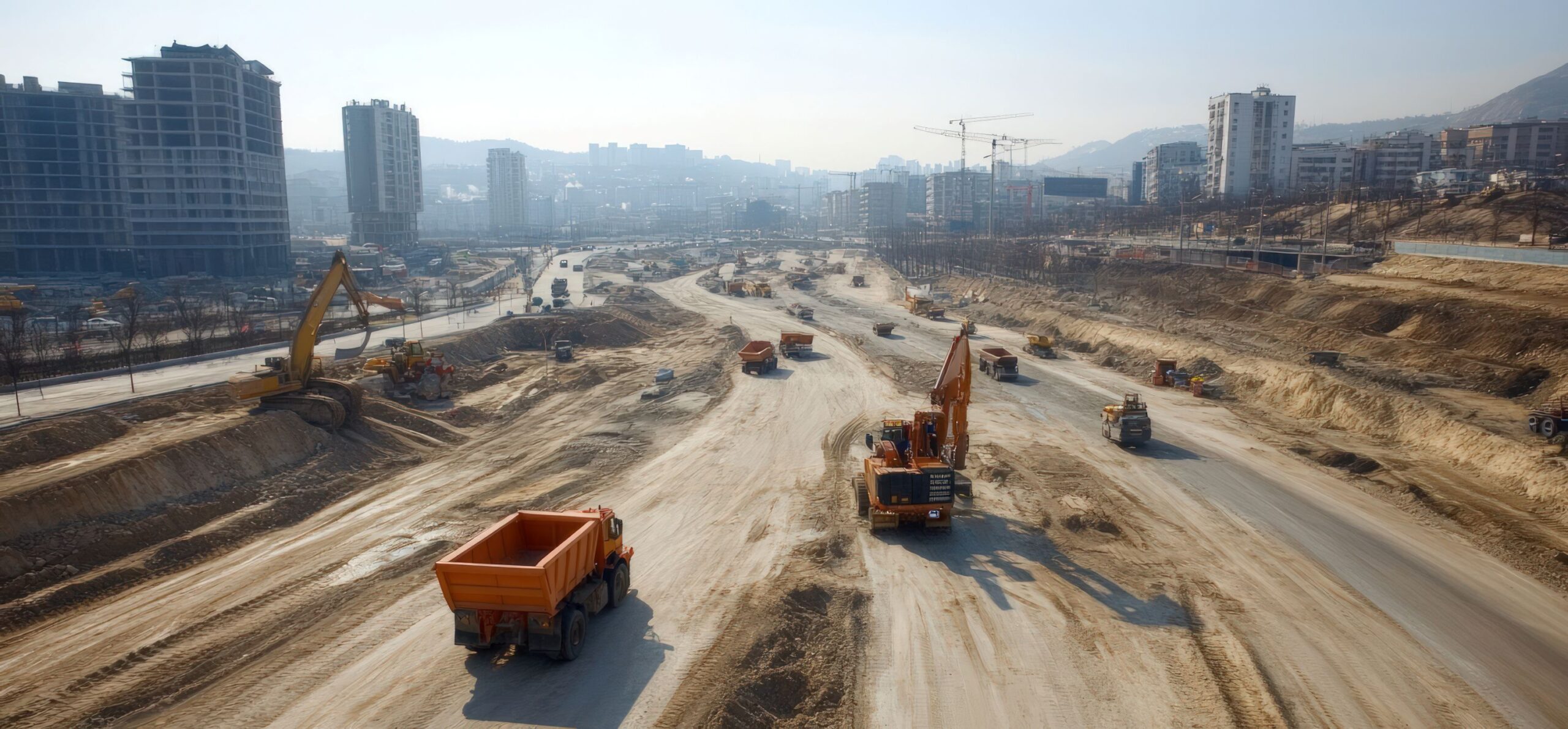
Case Snapshot 1- Solar Farm Transformer Route Blocked by Weak Bridge and Vehicle Restraint Systems
The Challenge
A 40MW rural solar scheme required delivery of a 120-tonne transformer. Early project stages assumed access from the main B-road. Only after planning did the design team confirm a small masonry bridge, unassessed, over 100 years old, and spanning a drainage channel, sat directly on the proposed AIL route.
The Constraint
A structural assessment confirmed the bridge could not safely carry the required STGO CAT 3 vehicle. As engineers explored alternatives, a second, equally significant constraint emerged on the diversion route: a continuous Vehicle Restraint System (VRS) barrier installed along a narrow-elevated section of road.
The VRS:
- reduced the available carriageway width for trailer swing
- prevented low-loader overhang into the verge
- restricted articulation at the subsequent right-hand bend
- could not be temporarily removed without National Highways approval and design certification
These constraints compounded others along the fallback route, including:
- restricted width sections
- a 90-degree bend at a farm junction
- two third-party land boundaries
- verge edges with insufficient bearing capacity
The Impact
Resolving these issues required substantial additional technical work:
- commissioning a detailed structural analysis of the bridge, including loading simulations
- specialist VRS feasibility assessment, covering barrier removal, re-installation and certification
- supplementary swept-path analysis using full topographical survey data
- negotiation of temporary land agreements for overrun
- design of verge strengthening and temporary works
These activities resulted in material unplanned costs, including consultant time, structural engineering fees, and VRS redesign assessments. The cumulative impact created a nine-month programme delay, with energisation slipping nearly a year.
Learning Outcomes
Weak structures and VRS barriers are among the most common and expensive late-stage access risks. Early AIL feasibility, using constraints mapping, bridge screening, and geometric analysis, would have identified both issues before project design and cost assumptions were set, preventing costly rework and programme disruption.
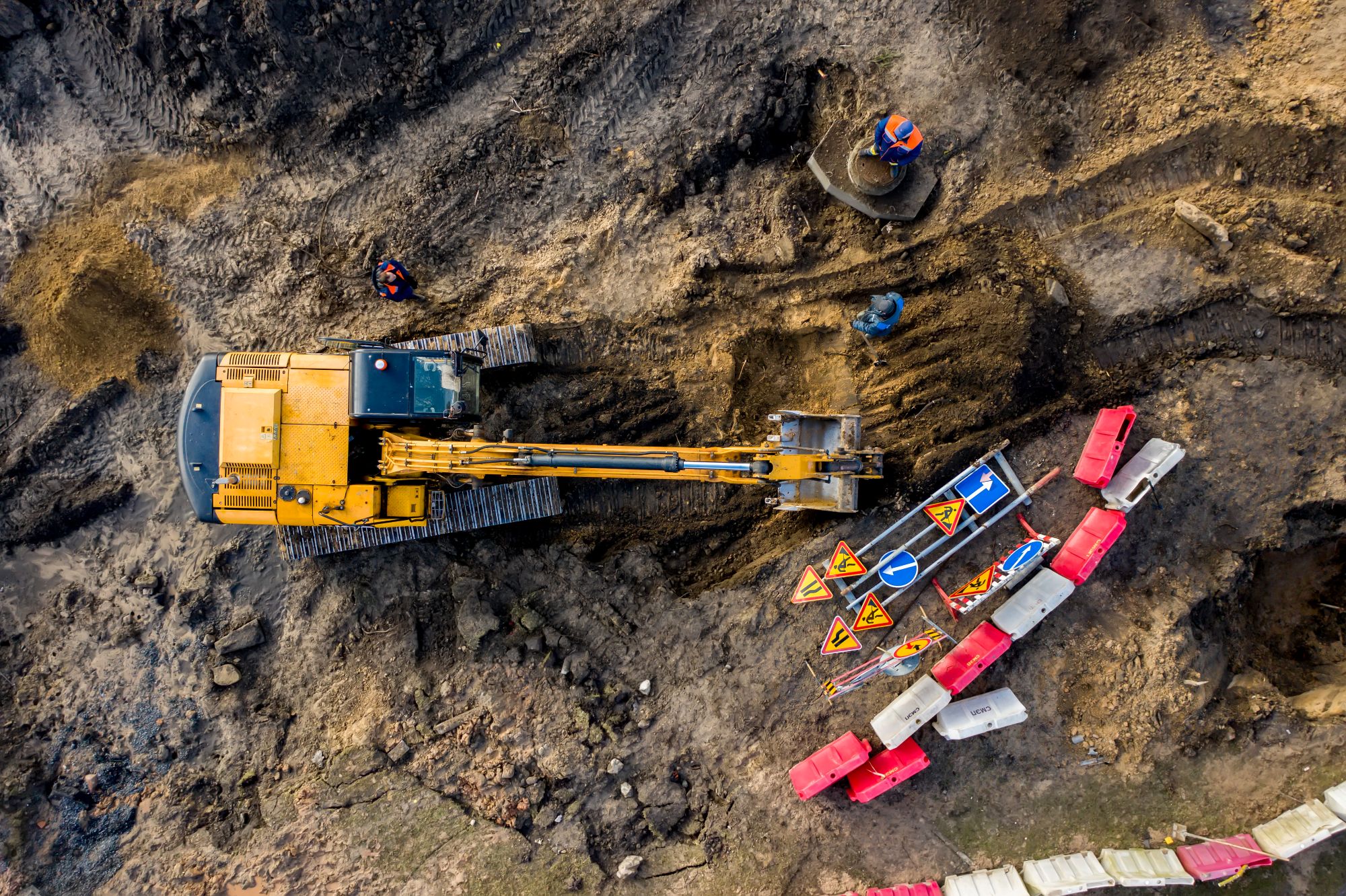
Case Snapshot 2 – Data Centre AIL Strategy Delayed by Urban Geometry
The Challenge
A major urban data centre required delivery of multiple 150–200-tonne transformers using STGO abnormal load vehicles. The project team initially assumed that the local arterial network could accommodate the vehicles without substantial modification. Standard access routes from the arterial road network involved:
- tight signalised junctions
- pedestrian islands
- a low-clearance overbridge
- a cycle lane crossing parallel to the AIL path
The Constraint
Detailed swept-path modelling revealed that a critical urban junction could not safely accommodate the required trailer swing. To enable the AIL movement, significant temporary interventions were needed:
- kerb line realignment to increase turning radius
- kerb and footway protection measures to prevent structural damage during trailer overrun
- temporary removal of pedestrian refuge islands and signal poles
- protection of telecoms and drainage chambers located directly within the swept arc
- carefully managed overrun areas requiring design-certified materials and surface reinstatement
Police escort availability further constrained feasible delivery windows, requiring coordination several weeks in advance.
The Impact
None of these interventions had been anticipated in the original programme or budget. The requirements triggered:-
- additional temporary works design fees
- traffic management planning costs
- utility surveys and protection works
- night-time delivery premiums
- reinstatement works following the AIL movement
In combination, the works added significant unforeseen costs and created a 14-week delay to the delivery programme, affecting transformer energisation and system commissioning.
Learning Outcomes
Urban AIL movements often hinge on very fine geometric tolerances, and even small urban assets such as bollards, chambers, signals, kerb lines, can dictate viability. These constraints can easily translate into cost-heavy temporary works and substantial reinstatement requirements if identified late. Early modelling, utility coordination, and temporary works planning ensure that these costs and dependencies are understood before construction programmes are fixed.

Case Snapshot 3 – Rural Road Mitigation for Construction Traffic
The Challenge
A 50MW solar scheme relied on a narrow rural lane varying between 4.7–5.0m wide, with restricted forward visibility, soft verge edges and limited formal passing opportunities. The route also served farms, residences and a wastewater treatment works, generating background HGV, agricultural and service traffic.
During early design, the project team assumed that construction traffic could be managed through standard CTMP measures without significant physical interventions.
The Constraint
Construction traffic modelling showed:
- daily peaks of 90–120 HGVs during mechanical and electrical installation
- risk of conflict points with local agricultural traffic
- insufficient width for safe two-way movements
- soft verge conditions that could not withstand repeated overrun
- several blind summits and bends requiring enhanced visibility
- drainage grips and culverts vulnerable to damage from trailers and rigid HGVs
Initial site inspections revealed additional complexities:
- verge overrun would require temporary strengthening
- two locations needed visibility improvement
- a culvert headwall sat within the swept path of turning construction vehicles
- drainage features risked deformation under repeated HGV loading
These constraints presented both safety and operational risks, none of which had been priced into early programme assumptions.
The Mitigation Developed
A proactive access strategy identified a set of targeted interventions:
- three engineered passing places, including earthworks, surfacing and drainage tie-ins
- verge stabilisation using temporary cellular confinement (to minimise ecological impact)
- culvert protection measures to prevent structural damage
- a temporary one-way shuttle system at the most constrained bend
- temporary surface strengthening at an overrun location
- condition survey and reinstatement commitments agreed with the council
- seasonal working constraints to avoid winter saturation and verge collapse
These works required temporary traffic management, local landowner agreements and short-term road occupation notices, none of which had been included in the initial planning assumptions.
The Impact
The mitigation package introduced several unforeseen costs, including:
- topographical survey and design work
- construction of passing places (£15k–£30k each depending on specification)
- verge and culvert protection
- temporary Traffic Management and shuttle working operations
- ecological supervision for verge works
- reinstatement obligations following decommissioning
Although the works avoided long-term disruption, they added 6–8 weeks to the pre-construction programme to secure approvals, complete works and conduct condition surveys.
The early action prevented significantly greater delays during construction, where unmanaged conflicts would have halted HGV deliveries and triggered resident complaints.
Learning Outcomes
Rural road constraints often appear benign on mapping but can become costly, time-critical issues during construction without early intervention. Passing places, verge stabilisation, culvert protection and traffic management need to be identified through early feasibility, costed transparently and agreed with councils and landowners.
By detecting these risks early, developers avoid reactive rural works which are typically more expensive, less flexible, and slower to approve once construction is underway.
How Arthian Helps
Arthian’s approach is built on senior-led expertise, agile delivery, and a proven methodology that de-risks construction access from feasibility through to consent and delivery.
Senior Transport Expertise at the Front End
Transport planning within Arthian is led by a Chartered Principal Transportation Planner with over two decades of experience across:-
- solar farms
- data centres
- wind farms
- abnormal indivisible load routing
- industrial estate transport planning
- complex rural and urban construction access strategies
This experience shapes high-quality, early-stage advice that avoids downstream redesign and protects programme and cost.
Integrated, Evidence-Based Access Strategy
We bring together:
- route feasibility studies
- GIS constraints mapping
- swept-path and geometric assessments
- structural risk identification
- stakeholder pathway mapping
- early CTMP and AIL access strategy development
- overall risk awareness
This integrated method aligns with best practice from major CTMPs and EIAR traffic chapters across UK and Irish jurisdictions.
Agile Delivery that Responds to Project Realities
Low-carbon infrastructure moves fast. Our flexible, responsive model ensures:
- quick mobilisation for early-stage feasibility
- rapid assessment of route options
- early engagement with authorities
- ability to iterate with design teams
- clear reporting for planning submissions
This agility allows developers to respond to grid opportunity windows, planning deadlines, and procurement pressures.
A Deliverability-Led Mindset
We focus on outcomes – Can the project actual be built?
If not, what needs to change and how quickly can we give certainty?
Our goal is to make access a solved problem, not a late-stage risk.
Early Access Planning Protects Programme, Cost, and Investor Confidence
The accelerating transition to low-carbon energy and digital infrastructure demands a new approach to deliverability. With larger components, tighter regulatory expectations, and growing community sensitivity, construction access is no longer a peripheral detail.
Developers and planners who address access first, not last, will:
- reduce risk
- avoid redesign and delay
- build stakeholder confidence
- shorten the path to consent and energisation