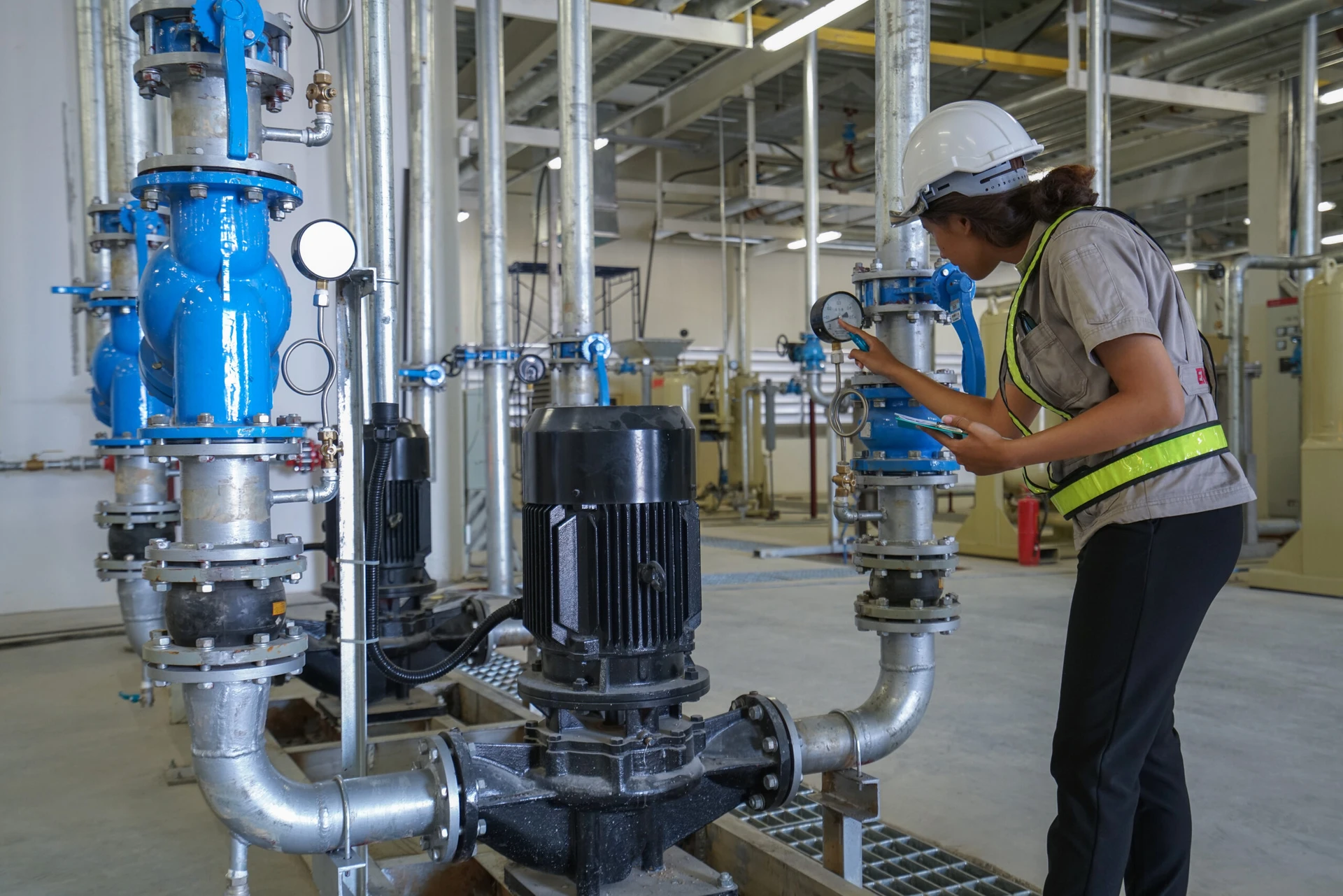
Indoor Air Quality Assessment Services
Creating healthier buildings through science‑led indoor air quality expertise.
What Is an Indoor Air Quality Assessment?
An indoor air quality assessment evaluates the pollutants, ventilation performance, and environmental conditions inside a building to protect occupant health, comfort, and wellbeing. Indoor environments can accumulate contaminants from construction materials, furnishings, ventilation systems, and occupant activities, making proactive assessment essential for workplaces, schools, healthcare settings, and residential developments.
Arthian supports clients with indoor air quality plans, post‑construction testing, and independent third‑party assessments to help projects meet best‑practice standards and achieve sustainability targets such as BREEAM HEA 02 credits and WELL/LEED. Our specialists use high‑quality monitoring and sampling techniques to identify risks early and recommend practical, effective improvements.

Benefits of Indoor Air Quality Assessment
Indoor air quality assessments do more than diagnose issues, they help you create safer, healthier, and more efficient buildings.
Why Indoor Air Quality Matters
- Healthier indoor environments by reducing exposure to airborne pollutants
- Improved comfort and wellbeing for building occupants
- Support for BREEAM certification, including HEA 02 credits
- Regulatory confidence through independent, accredited testing
- Early identification of risks such as mould, VOCs, and humidity
- Clear, actionable recommendations to improve indoor air quality and reduce complaints
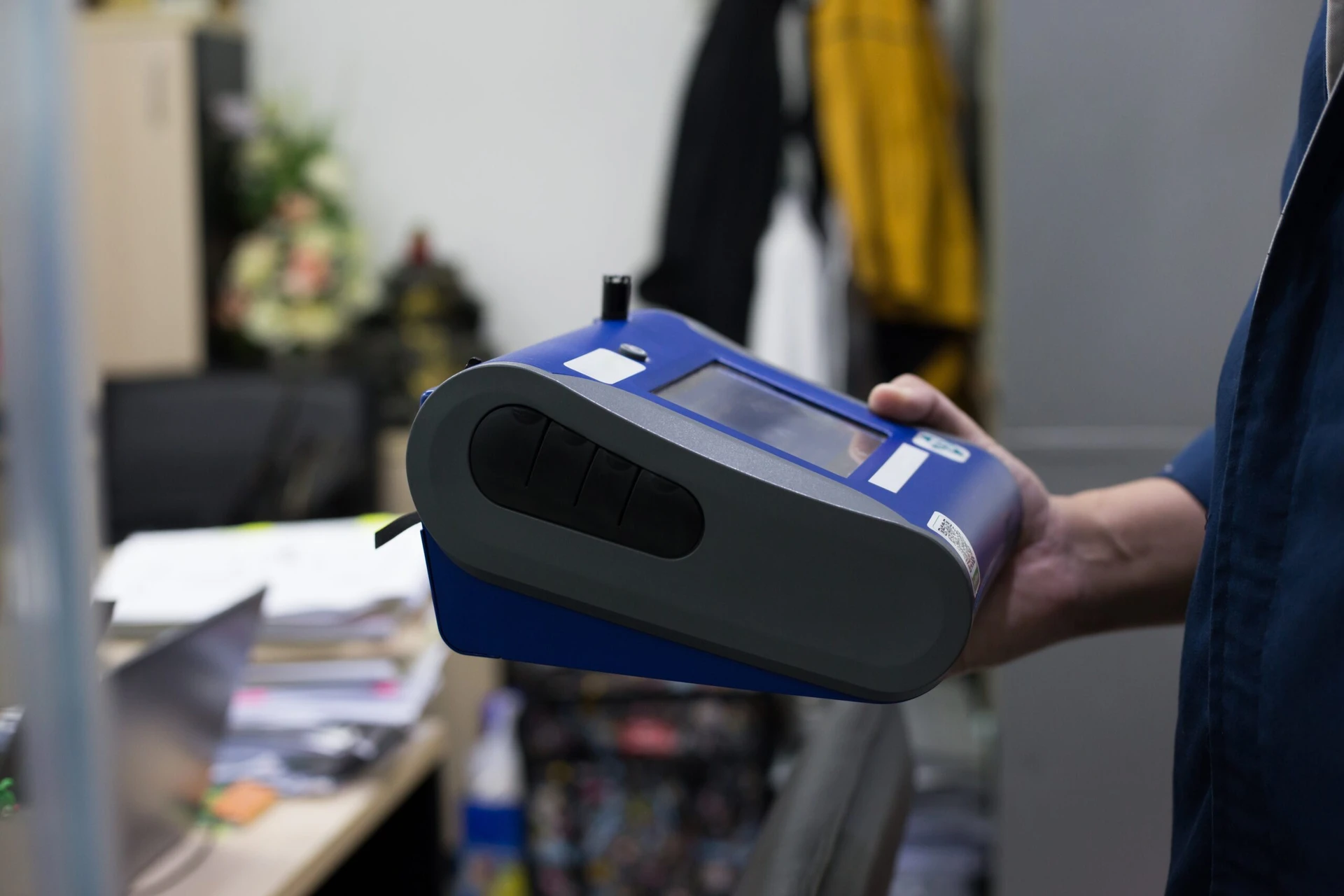
Our Indoor Air Quality Consulting Services
Arthian delivers a comprehensive suite of indoor air quality services tailored to your building type, occupancy, and operational needs. Each service includes an expanded phrase for clarity and impact.
Indoor Air Quality Plans & Testing
- Indoor air quality plans for new and existing buildings, supporting BREEAM HEA 02 requirements and ensuring healthier indoor environments from design to operation.
- Independent third‑party indoor air quality testing, providing objective verification of pollutant levels, ventilation performance, and indoor environmental quality.
- Post‑construction and pre‑occupancy testing, ensuring buildings are safe, comfortable, and compliant before handover.
- Sampling for VOCs, formaldehyde, mould, and combustion by‑products, identifying hidden risks that impact occupant health and comfort.
Ventilation & Airflow Assessment
- Evaluation of ventilation system performance, ensuring fresh air supply meets best‑practice standards and reduces pollutant build‑up.
- Airflow pattern analysis, identifying areas of stagnation or poor circulation that may affect comfort or health.
- Ventilation optimisation recommendations, improving indoor air quality through targeted system enhancements.
Indoor Environmental Quality (IEQ) Monitoring
- Monitoring of temperature, humidity, and CO₂ levels, providing a complete picture of indoor comfort and wellbeing.
- Identification of conditions that promote mould or damp, helping prevent long‑term building damage and health risks.
- Continuous or spot‑check monitoring options, offering flexible solutions tailored to your building’s needs.
Occupant Health & Comfort Assessment
- Evaluation of indoor conditions affecting wellbeing, linking environmental data to occupant experience and comfort.
- Identification of pollutant sources, helping you address issues such as dirty ventilation, mould, or combustion emissions.
- Practical mitigation strategies, providing clear steps to improve indoor air quality and reduce complaints.
BREEAM HEA 02 Indoor Air Quality Support
- Guidance on achieving HEA 02 credits, helping you maximise your building’s sustainability performance.
- Testing aligned with BREEAM criteria, ensuring your assessment meets all required standards.
- Documentation and reporting for certification, supporting smooth submission and approval.
Why Choose Arthian for Indoor Air Quality Assessments?
Arthian brings a multidisciplinary, technically rigorous approach to indoor air quality assessment, ensuring your building benefits from both scientific accuracy and strategic insight.
What Sets Arthian Apart
- National experience with local insight across diverse building types
- Clear, defensible reporting aligned with BREEAM and industry standards
- Integrated expertise across environmental science, building performance, and sustainability
- Commitment to healthier, safer indoor environments for every occupant
We help you transform indoor air quality from a challenge into a strategic advantage.
Streamlined Indoor Air Quality Support: How Our Specialists Help
This section focuses specifically on how Arthian’s specialists simplify your assessment and improvement journey.
1. Accurate Indoor Pollutant Monitoring
High‑quality data collection for VOCs, formaldehyde, mould, and combustion by‑products to diagnose issues with precision.
2. Ventilation & Filtration Optimisation
Assessment of airflow, ventilation rates, and filtration performance to improve indoor air quality and occupant wellbeing.
3. Targeted Odour & Irritant Assessment
Identification and resolution of odour, chemical irritant, and ventilation‑related issues that affect comfort and productivity.
4. Mould & Moisture Diagnostics
Pinpointing the causes of damp, mould, and condensation and providing clear, actionable remediation strategies.
5. Health‑Focused Insights & Mitigation
Translating technical findings into practical recommendations that reduce exposure to indoor pollutants and support healthier environments.
6. Clear, Actionable Reporting
Assessments structured for building managers, regulators, and stakeholders — providing clarity, transparency, and defensible conclusions.
Frequently Asked Questions
Why do I need an indoor air quality assessment?
Indoor air quality assessments are essential for supporting the health and comfort of a building’s occupants. By identifying pollutants and ventilation issues, these assessments help reduce the risk of negative health effects and create a more comfortable indoor environment. Effective remediation can also minimise odours, enhance overall performance within the space, and contribute to lower energy costs.
What is included in an indoor air quality test?
Indoor air quality testing measures a variety of factors that influence the health and comfort of a building’s occupants. This can involve visual inspections, humidity monitoring, sampling for volatile organic compounds (VOCs), and collecting mould samples to identify potential sources of contamination.
Is BREEAM mandatory?
BREEAM is a long‑established framework for assessing, rating, and certifying the sustainability performance of buildings. Although BREEAM assessments are not legally required across the UK, some local authorities, including those in London, make BREEAM accreditation a condition of planning approval. In these areas, achieving a specified BREEAM rating becomes effectively mandatory for certain types of development.
What is a home quality mark?
A Home Quality Mark (HQM) is a certification used to evaluate and demonstrate the quality, sustainability, and performance of new homes in the UK. It provides buyers, homeowners, and developers with a clear, independent measure of how well a property has been designed and built, covering factors such as energy efficiency, environmental impact, and overall living standards.
What is the WELL Building Standard?
The WELL Building Standard is an international framework designed to improve health and well‑being within the built environment. A key component of WELL is achieving high indoor air quality, and our team at Stroma can support you in meeting these requirements ahead of your WELL verification assessment.