
Air Quality Assessment Services
Expert air quality consultants delivering clarity, compliance, and confidence.
What Is an Air Quality Assessment?
An air quality assessment evaluates how a proposed development, industrial activity, or operational process may affect local air quality, human health, and sensitive ecological habitats. These assessments are essential for planning applications, environmental permitting, construction activities, and ongoing operational compliance.
Using air quality data — including particulate matter (PM10, PM2.5), nitrogen oxides, ozone (O3), and other key pollutants — our air quality consultants assess potential impacts on communities, ecosystems, and designated sites. We also consider local air quality index (AQI) ratings, nearby monitoring stations, and baseline conditions to ensure a robust, defensible assessment.
Arthian supports projects across the full development lifecycle, helping clients understand risks, meet regulatory expectations, and improve air quality outcomes for people and habitats.

Benefits of Air Quality Assessment
A well‑executed air quality assessment does more than satisfy planning or permitting requirements — it strengthens your project’s environmental performance and reduces risk.
Key benefits include:
- Planning confidence with clear, defensible assessments
- Regulatory compliance with national policy and permitting frameworks
- Reduced project risk through early identification of air quality constraints
- Improved environmental outcomes for communities and habitats
- Clear mitigation strategies to manage emissions, dust, odour, and pollutants
- Better health outcomes by reducing exposure to air pollution and addressing poor air quality
- Stakeholder assurance through transparent, evidence‑based reporting
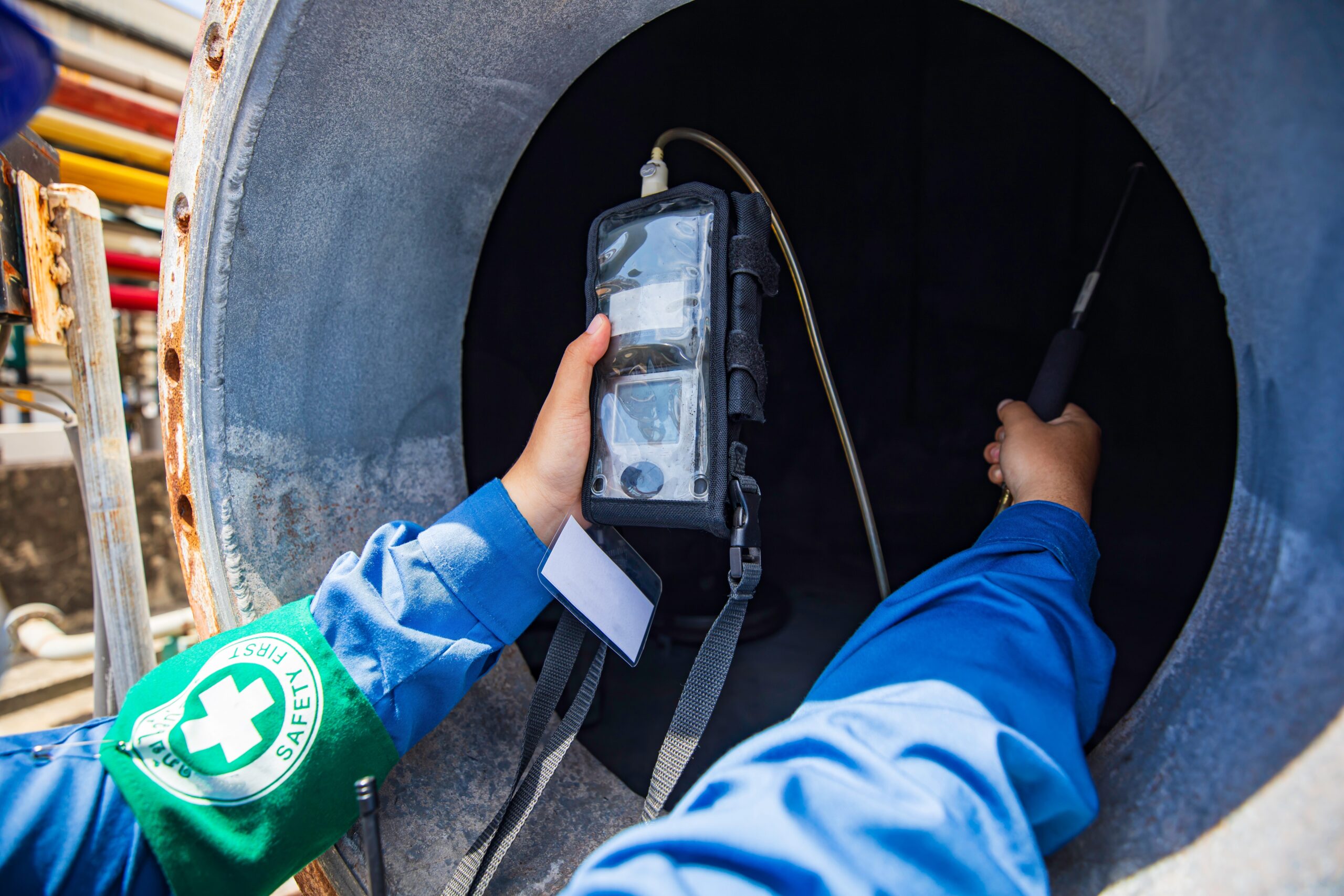
Our Air Quality Consulting Services
Arthian provides a comprehensive suite of air quality services tailored to site‑specific risks, planning context, and regulatory requirements. Each service is designed to give you clarity, confidence, and a clear pathway to compliance.
Air Quality Assessments
- Full planning‑ready Air Quality Impact Assessments (AQIA), delivering clear, defensible reports that satisfy planning authorities and regulators.
- Baseline surveys, modelling, and mitigation advice, establishing accurate starting conditions and identifying practical solutions to improve air quality.
- Assessment of particulate matter, nitrogen oxides, ozone (O3), and other pollutants, ensuring your project addresses all key pollutants linked to poor air quality and health impacts.
- Integration of local AQI ratings and monitoring station data, grounding your assessment in real‑world air quality data for maximum credibility.
Dispersion Modelling
- Predictive modelling of emissions from roads, stacks, and site activities, providing a clear picture of how pollutants disperse and where impacts may occur.
- Use of ADMS‑Roads and ADMS‑6 industry‑standard software, ensuring robust, regulator‑approved modelling outputs.
- Assessment of pollutant concentrations, compliance, and mitigation needs, helping you understand risks early and implement effective control measures.
Chimney Height Calculation
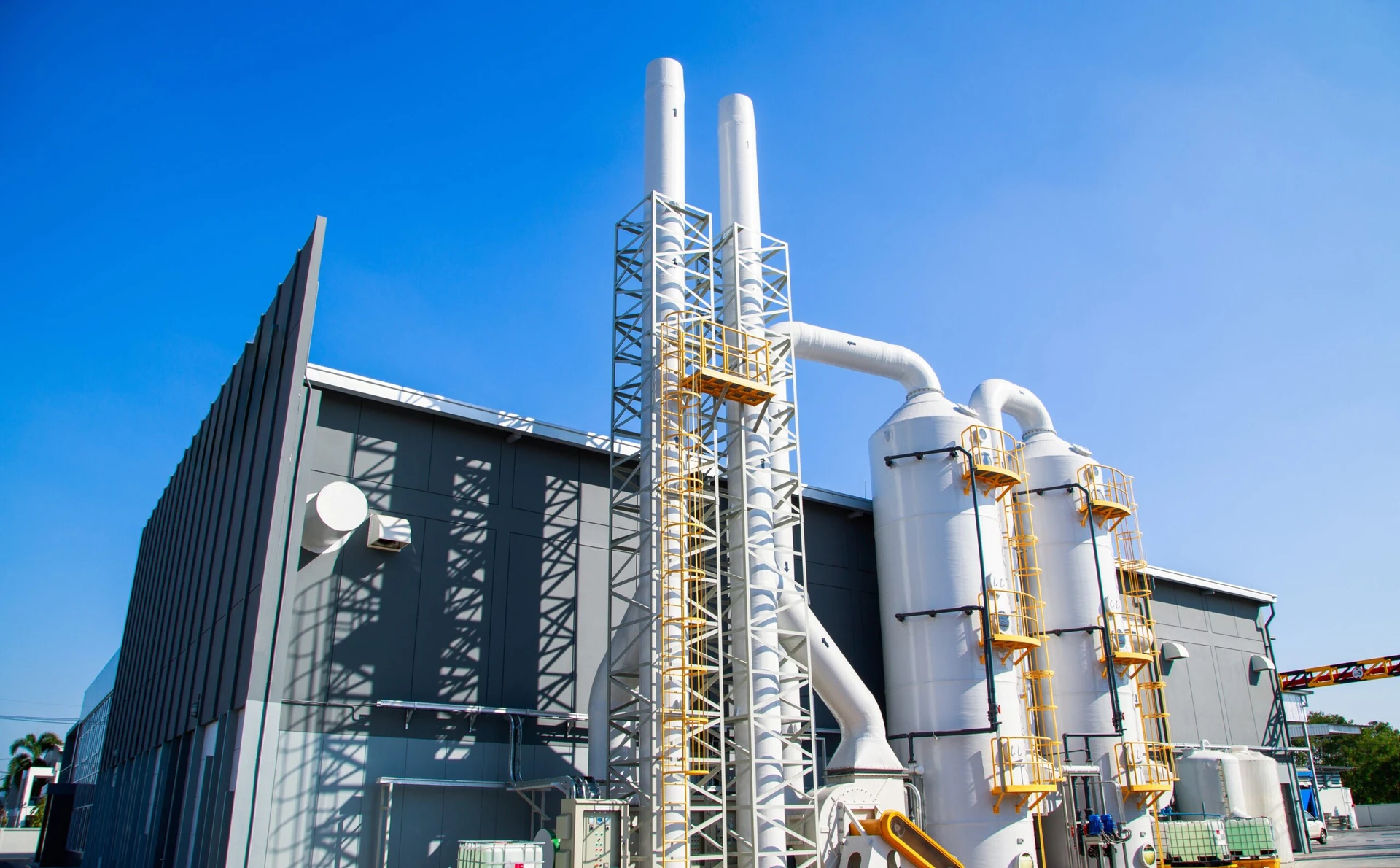
- Stack height optimisation to ensure effective dispersion, maximising pollutant dilution to reduce ground‑level concentrations.
- Compliance with environmental permitting requirements, supporting smooth approvals for new or modified installations.
- Technical justification for planning and permitting submissions, providing clear evidence to satisfy regulators and planning officers.
Odour & Ammonia Assessment
- IAQM Odour Risk Assessments, identifying odour risks and recommending proportionate mitigation.
- Kitchen odour assessments and odour management plans, helping hospitality and commercial kitchens maintain compliance and community confidence.
- Odour dispersion modelling and monitoring, quantifying odour impacts and supporting robust mitigation strategies.
- Ammonia assessments from screening to detailed modelling, evaluating emissions from agriculture, waste, and industrial processes with precision.
- Support for agriculture, waste, wastewater, and industrial sectors, ensuring sector‑specific compliance and operational resilience.
Assessment of Effects on Habitats
- Evaluation of impacts on sensitive ecological receptors, protecting designated sites and supporting Habitats Regulations Assessment (HRA).
- Assessment of nitrogen oxides, ammonia, nitrogen deposition, and acidification, ensuring your project meets ecological thresholds and conservation requirements.
- Support for HRA, planning, and permitting submissions, providing clear, evidence‑based assessments for regulators and stakeholders.
Why Choose Arthian?
Arthian brings a uniquely integrated, multidisciplinary approach to air quality assessment, ensuring your project benefits from both technical excellence and strategic insight.
You gain:
- National experience with regional insight across the UK
- Deep understanding of planning, infrastructure, and environmental interfaces
- Clear, defensible reporting aligned with IAQM and regulatory expectations
- Integrated expertise across geotechnical, hydrological, ecological, and environmental disciplines
- Commitment to technical rigour, clarity, and long‑term outcomes
Our air quality consultants help you navigate complex requirements with confidence and precision.
Streamlined Air Quality Support: How Our Specialists Help
This section focuses specifically on how our air quality specialists simplify your assessment and compliance journey — distinct from the broader multidisciplinary strengths above.
- Accurate, Predictive Dispersion Modelling
We use industry‑leading tools to model emissions and forecast pollutant concentrations, including particulate matter and ozone (O3), ensuring your assessment reflects real‑world conditions. - Optimised Chimney Height Calculations
Our consultants calculate and justify stack heights to ensure effective dispersion and regulatory compliance, supporting both planning and environmental permitting. - Comprehensive Odour & Ammonia Assessment
From rapid screening to detailed modelling, we assess odour and ammonia impacts across agriculture, waste, wastewater, and industrial sectors — and develop robust mitigation strategies. - Ecological Impact Assessment for Sensitive Habitats
We evaluate air quality impacts on ecological receptors, including nitrogen deposition and acidification, ensuring your project meets planning and conservation requirements. - Clear, Planning‑Ready Reporting
Our assessments are structured for planners, regulators, and stakeholders — providing clarity, transparency, and defensible conclusions. - Health‑Focused Insights & Mitigation
We translate technical findings into practical health advice, helping clients understand how to reduce exposure to air pollution and address poor air quality risks.
Frequently Asked Questions
Why are air quality assessments important?
Air quality assessments play a crucial role in protecting public health. Poor air quality can significantly impact people’s well-being, particularly individuals with existing respiratory conditions such as asthma, emphysema, or COPD.
Large construction projects often generate pollutants like dust and vehicle emissions, which can degrade the surrounding air. By carrying out air quality assessments, potential risks are identified early, allowing for effective mitigation measures that safeguard both current communities and future occupants.
When are air quality assessments required?
Air quality assessments are required under the Local Air Quality Management (LAQM) framework, which obligates all UK local authorities to routinely evaluate air quality within their boundaries. As a result, these assessments — along with any necessary mitigation measures — are commonly needed when applying for planning permission for major developments. This requirement becomes even more critical in designated Air Quality Management Areas (AQMAs), where pollution levels are already a known concern.
What is included in an air quality assessment?
The level of detail required in an air quality assessment varies depending on the scale and nature of the proposed development, as well as any initial findings that indicate the need for further analysis.
At a minimum, a basic assessment will review existing air quality conditions around the site, evaluate the potential impacts of construction activities, estimate how many receptors may be exposed to poor air quality as a result of the development, and outline the mitigation measures needed to reduce those risks.
How long should I expect an air quality assessment to take?
The time required for an air quality assessment varies depending on the scale of the development and the level of monitoring needed. Some projects only require straightforward on‑site testing, which can be completed within a few hours. More complex developments may need extended monitoring periods, sometimes lasting up to three months, to gather sufficient data for a thorough assessment.
For tailored advice on the expected timescales for your project, our team can provide guidance.